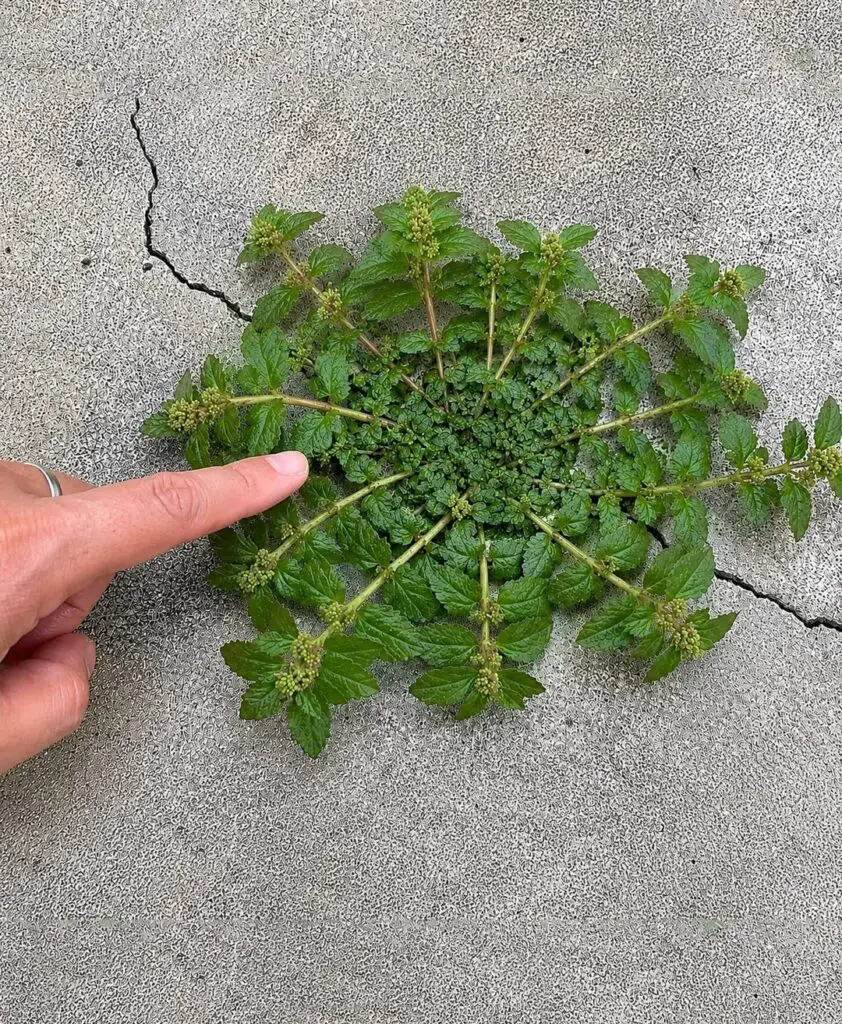
Every few days, a new viral health claim sweeps across social media. One week it’s a miracle fruit. The next, it’s a secret root discovered by ancient civilizations. Then suddenly, a post appears claiming that a single leaf from a common plant is “worth a gold mine” because it can supposedly cure diseases, reverse aging, melt body fat, cleanse the liver, improve memory, and replace prescription medications.
The headlines are dramatic. The images are convincing. The comments are filled with people claiming amazing results.
But how much of it is actually true?
The reality is far less sensational—and far more interesting.
Plants have played an important role in human health for thousands of years. Many medicines, supplements, and nutritious foods originate from plants. However, the idea that one ordinary leaf can perform miraculous feats is usually an exaggeration designed to attract clicks, shares, and engagement.
Understanding the difference between genuine plant benefits and internet hype can help you make smarter decisions about your health while avoiding misinformation.
Why Miracle Plant Claims Spread So Quickly
People naturally want simple solutions to complex problems.
When someone is struggling with weight management, fatigue, high blood pressure, aging concerns, or chronic health conditions, the promise of an easy answer becomes incredibly appealing.
A headline claiming that a single leaf can transform your life feels much more exciting than hearing that long-term health requires consistent habits.
Social media algorithms reward emotional content, especially posts that trigger:
- Hope
- Fear
- Curiosity
- Surprise
- Excitement
As a result, exaggerated claims often spread faster than balanced scientific information.
Many viral posts use phrases such as:
- “Doctors don’t want you to know this.”
- “The pharmaceutical industry hates this plant.”
- “One leaf can change everything.”
- “This ancient secret was hidden for centuries.”
- “You’ll never believe what happened next.”
These statements are designed to generate clicks, not necessarily to provide accurate health information.
The Truth About Medicinal Plants
Plants genuinely contain powerful compounds.
In fact, many modern medicines were originally derived from plants.
Examples include:
- Aspirin, which originated from willow bark compounds
- Digitalis, derived from foxglove plants
- Quinine, obtained from cinchona bark
- Morphine, originally derived from opium poppies
This history explains why people are often fascinated by herbal remedies.
However, there is an important difference between recognizing plant benefits and believing miracle claims.
Most beneficial plant compounds:
- Work gradually
- Produce moderate effects
- Require proper dosages
- Have limitations
- May cause side effects
Real science rarely supports dramatic overnight transformations.
Common Plants Often Labeled as “Miracle Leaves”
Aloe Vera
Aloe vera frequently appears in viral health posts.
It has legitimate uses, particularly for soothing minor skin irritations and burns.
Research suggests aloe may:
- Support skin hydration
- Calm irritation
- Promote wound healing in certain situations
However, aloe cannot cure major diseases or reverse aging.
Mint
Mint is another plant often praised online.
Potential benefits include:
- Freshening breath
- Supporting digestion
- Adding flavor without calories
- Providing antioxidants
While helpful, mint is not a cure-all.
Basil
Basil contains antioxidants and beneficial plant compounds.
Many people enjoy it because it:
- Adds flavor to meals
- Contains vitamins
- Supports a balanced diet
But basil alone will not dramatically transform health.
Moringa
Often called a “superfood,” moringa is rich in nutrients.
It provides:
- Vitamins
- Minerals
- Antioxidants
- Plant proteins
Even so, experts do not consider it a miracle cure.
Why “Natural” Doesn’t Always Mean Safe
One of the biggest misconceptions surrounding herbal remedies is the belief that natural automatically equals harmless.
Nature produces many beneficial substances.
It also produces:
- Poison ivy
- Deadly mushrooms
- Toxic berries
- Harmful plant compounds
Even healthy herbs can create problems when misused.
Potential risks include:
Drug Interactions
Some herbs interact with medications.
Examples include:
- Blood thinners
- Blood pressure medications
- Diabetes medications
- Antidepressants
Combining certain herbs with prescription drugs can be dangerous.
Allergic Reactions
People can develop allergies to virtually any plant.
Symptoms may include:
- Skin irritation
- Digestive upset
- Swelling
- Breathing difficulties
Digestive Issues
Large quantities of certain herbs can trigger:
- Nausea
- Diarrhea
- Stomach discomfort
- Cramping
Moderation remains important.
The Psychology Behind Miracle Claims
Why do so many people believe extraordinary health promises?
The answer lies partly in human psychology.
The Appeal of Simplicity
Complex health challenges rarely have simple solutions.
A balanced lifestyle involves:
- Nutrition
- Sleep
- Exercise
- Stress management
- Preventive care
That approach requires effort.
By contrast, the idea that one leaf can solve everything feels easy and comforting.
Success Stories Are Powerful
Many viral posts rely on personal testimonials.
A story might describe someone who:
- Lost weight
- Improved energy
- Felt healthier
However, testimonials do not prove cause and effect.
Many factors influence health outcomes.
Scientific studies provide more reliable evidence than individual stories.
Confirmation Bias
People tend to notice information that supports their existing beliefs.
If someone already believes natural remedies are superior to conventional medicine, they may be more likely to accept dramatic plant claims without questioning them.
What Science Actually Supports
Researchers consistently find that long-term health comes from patterns rather than miracle ingredients.
Strong evidence supports:
Eating More Plants
A diet rich in:
- Vegetables
- Fruits
- Legumes
- Whole grains
- Herbs
can support overall health.
Physical Activity
Regular movement helps:
- Heart health
- Blood sugar control
- Weight management
- Mental well-being
Quality Sleep
Consistent sleep supports:
- Immune function
- Memory
- Recovery
- Hormonal balance
Stress Management
Reducing chronic stress benefits nearly every system in the body.
None of these habits are as exciting as miracle claims.
But they are far more effective.
Red Flags to Watch For
Whenever you encounter a health claim online, ask yourself:
Does It Promise Too Much?
Be skeptical of phrases like:
- “Cures everything”
- “Works instantly”
- “Guaranteed results”
- “Miracle remedy”
Real health interventions rarely work that way.
Does It Reject All Medical Care?
Claims suggesting you should stop medications or ignore medical advice deserve particular caution.
Responsible health information acknowledges that both lifestyle and professional care have important roles.
Is There Evidence?
Look for:
- Peer-reviewed research
- Expert consensus
- Credible medical sources
Avoid relying solely on testimonials.
A Smarter Way to Think About Super Plants
Plants can absolutely support wellness.
Instead of searching for one magical ingredient, consider building a plant-rich lifestyle.
This approach may include:
- Cooking with herbs
- Eating colorful vegetables
- Trying new fruits
- Drinking water regularly
- Choosing whole foods more often
The benefits accumulate over time.
Unlike miracle claims, these habits are supported by decades of research.
The Real Gold Mine
Ironically, the true “gold mine” isn’t any single leaf.
It’s knowledge.
Understanding how nutrition, exercise, sleep, and preventive healthcare work together is far more valuable than chasing viral health trends.
Healthy living is usually built through small, consistent choices rather than dramatic shortcuts.
That may not generate sensational headlines.
But it produces real results.
Final Thoughts
Plants deserve appreciation for their genuine benefits. Many contain valuable nutrients, antioxidants, and compounds that contribute to health and wellness.
However, social media often transforms these legitimate benefits into exaggerated promises.
No ordinary leaf can cure every disease, reverse aging overnight, or replace professional medical care.
The strongest evidence continues to support a simple message:
Eat a variety of nutritious foods.
Stay active.
Get adequate sleep.
Manage stress.
Seek medical advice when needed.
Nature can be a wonderful partner in health, but it doesn’t need mythical powers to be valuable.
Sometimes the most powerful wellness tools aren’t miracle leaves at all.
They’re the everyday habits we practice consistently over time.
And that truth may be worth more than gold.