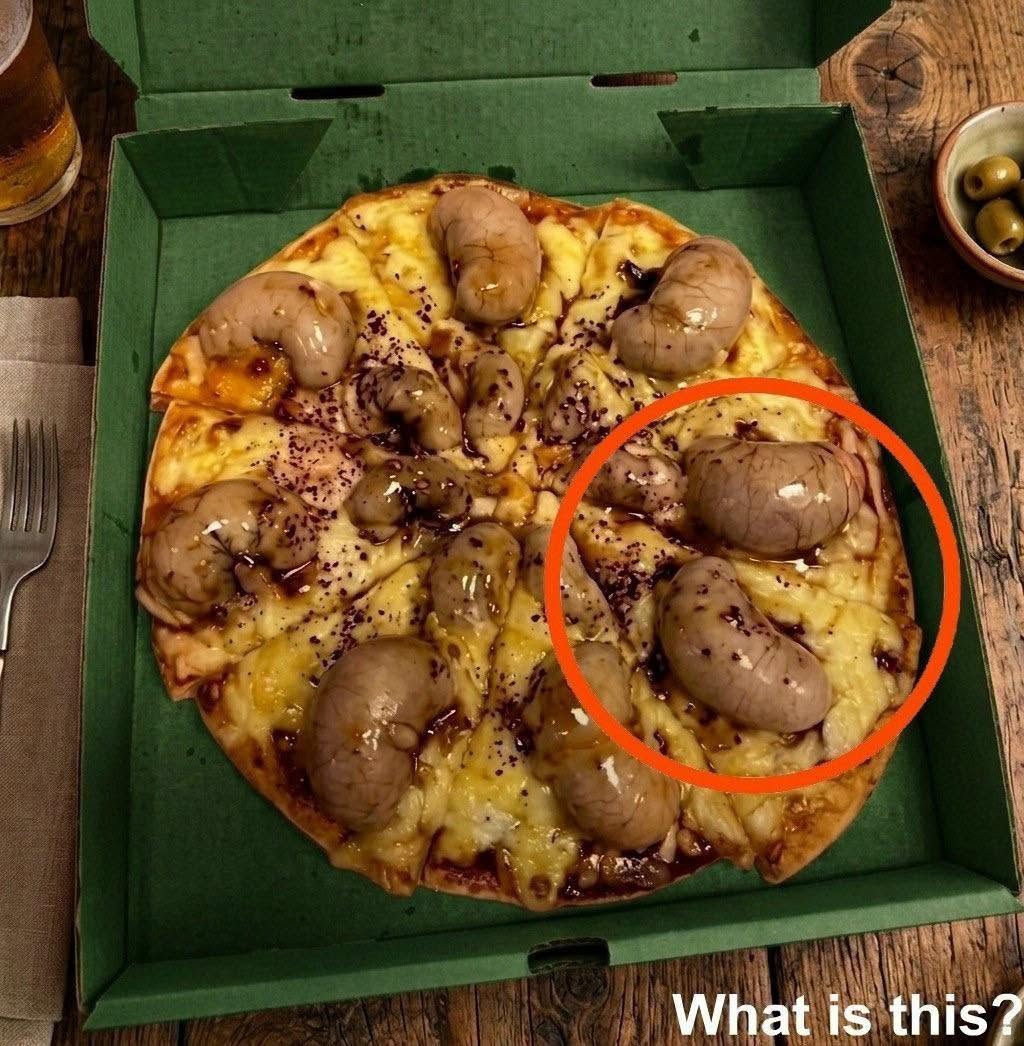
Few foods inspire as much comfort and happiness as pizza. Whether it’s a Friday night family tradition, a quick lunch with friends, or a late-night craving, pizza has earned its place as one of the world’s favorite foods.
Yet recently, social media has become flooded with alarming posts claiming that certain things seen on pizza are signs of contamination, fake ingredients, dangerous chemicals, or spoiled food. Dramatic photos showing white spots, oily surfaces, stretchy cheese, or browned bubbles often spread quickly online, accompanied by frightening captions designed to generate clicks and reactions.
The result? Many pizza lovers begin questioning whether their favorite comfort food is actually safe to eat.
Fortunately, most of these viral warnings are based on misunderstandings rather than science.
In reality, many of the characteristics people find suspicious are perfectly normal signs of quality cheese, proper baking, and natural food chemistry. Understanding the difference between harmless food traits and genuine food safety concerns can help you enjoy pizza with confidence instead of fear.
Let’s take a closer look at what you’re really seeing when you look at a slice of pizza.
Why Food Myths Spread So Quickly
The internet has made information more accessible than ever before. Unfortunately, it has also made misinformation easier to spread.
People naturally pay attention to content that triggers strong emotions. Fear, surprise, and disgust tend to generate more clicks and shares than calm scientific explanations.
When someone posts a close-up image of a pizza with a caption suggesting the cheese contains plastic or dangerous chemicals, curiosity takes over. The post spreads rapidly, often without anyone verifying whether the claim is true.
Food myths thrive because:
- Most people aren’t food scientists.
- Natural food processes can look unusual.
- Photos often remove important context.
- Fear-based headlines attract attention.
Understanding how food actually behaves during storage, cooking, and aging can quickly eliminate many of these concerns.
The Mystery of White Spots on Cheese
One of the most common viral pizza claims involves tiny white spots appearing on mozzarella or other cheeses.
Many posts claim these spots are mold, chemicals, or evidence of fake cheese.
The truth is usually much simpler.
What Are Tyrosine Crystals?
Many aged cheeses naturally develop tiny white crystals called tyrosine crystals.
Tyrosine is an amino acid that forms when proteins break down during the cheese-aging process.
These crystals:
- Are completely natural
- Are safe to eat
- Often indicate quality aging
- Add slight texture and flavor
Cheese experts often view them as a sign of craftsmanship rather than a defect.
Why They Appear
As cheese matures, proteins gradually break apart into smaller compounds. Some of these compounds crystallize and become visible.
Parmesan, provolone, gouda, and aged mozzarella commonly contain these crystals.
Far from being dangerous, many cheese enthusiasts actively seek them out.
Why Fresh Mozzarella Looks Wet
Another common concern arises when pizza cheese appears moist, slippery, or watery.
Many people assume moisture means spoilage.
In reality, fresh mozzarella is naturally high in water content.
The Nature of Fresh Mozzarella
Traditional mozzarella is stored in:
- Whey
- Brine
- Salted water
This storage method preserves texture and freshness.
When heated in a hot oven, moisture naturally releases from the cheese.
This can create:
- Water droplets
- Moist surfaces
- Small puddles on pizza
These are normal signs of fresh cheese.
When Moisture Is a Problem
Moisture only becomes concerning when accompanied by:
- Sour odors
- Mold growth
- Discoloration
- Slimy textures after cooling
Otherwise, a wet pizza is often simply evidence of fresh ingredients.
Understanding Cheese Stretch
Perhaps no pizza myth has gained more popularity than the claim that stretchy cheese proves pizza contains plastic.
This misunderstanding ignores basic dairy science.
Why Mozzarella Stretches
Mozzarella contains proteins called caseins.
When heated, these proteins align into flexible strands that create the famous cheese pull people love.
The stretch comes from:
- Protein structure
- Moisture content
- Fat distribution
- Proper heating
Authentic mozzarella is supposed to stretch.
In fact, a lack of stretch often indicates poor-quality cheese.
The Science Behind the Pull
Pizza makers carefully select cheeses based on their ability to melt and stretch.
The dramatic cheese pull seen in commercials, restaurants, and home kitchens is not evidence of artificial ingredients.
It’s evidence that the cheese is doing exactly what it’s supposed to do.
Why Pizza Gets Greasy
Many viral photos focus on shiny pools of oil forming on top of pizza.
Some claim this is plastic, chemicals, or unhealthy additives.
The truth is much less dramatic.
Cheese Contains Fat
Real cheese naturally contains milk fat.
When heated, this fat melts and separates.
The same process occurs when:
- Butter melts
- Bacon cooks
- Ground beef browns
The shiny appearance comes from natural dairy fat.
Is It Dangerous?
Not at all.
Oil separation is a completely normal part of the cooking process.
Different cheeses release different amounts of fat depending on:
- Milk content
- Aging
- Moisture levels
- Oven temperature
Some of the most authentic pizzas in the world display visible oil separation.
The Beauty of Browned Cheese
Many people mistakenly believe browned cheese indicates burning or contamination.
Actually, browning is one of the reasons pizza tastes so good.
The Maillard Reaction
When proteins and sugars encounter heat, they undergo a process called the Maillard reaction.
This reaction creates:
- Rich flavors
- Savory aromas
- Golden colors
- Complex taste compounds
The same reaction occurs when:
- Bread toasts
- Steak sears
- Coffee beans roast
Those brown bubbles on pizza are often signs of flavor development.
Why Pizzerias Love It
Professional pizza makers frequently aim for controlled browning because it enhances taste.
A perfectly browned pizza often delivers more flavor than one that remains pale.
Real Pizza Safety Concerns
While many viral warnings are exaggerated, genuine food safety risks do exist.
Knowing the difference is important.
Signs of Spoilage
Discard pizza if you notice:
- Fuzzy mold
- Green spots
- Black growth
- Sour smells
- Ammonia odors
- Slimy texture
- Strange colors
These signs indicate actual spoilage.
Temperature Matters
Bacteria grow rapidly between 40°F and 140°F.
Pizza left at room temperature too long becomes risky.
Food safety experts recommend:
- Refrigerating leftovers within two hours
- Reheating thoroughly
- Discarding pizza left out overnight
These precautions matter far more than harmless white crystals or stretchy cheese.
How to Store Pizza Properly
Proper storage preserves both safety and flavor.
Refrigeration
Store leftovers in:
- Airtight containers
- Covered plates
- Resealable bags
Most pizza remains safe for 3–4 days when refrigerated properly.
Freezing
Pizza freezes surprisingly well.
Wrap slices individually before freezing to preserve texture.
Frozen pizza typically maintains quality for up to two months.
Reheating for Best Results
Many people ruin leftover pizza by microwaving it.
Better options include:
Oven Method
Bake at 375°F for 8–10 minutes.
Benefits:
- Crispy crust
- Even heating
- Better texture
Skillet Method
Heat slices in a dry skillet over medium heat.
This method restores crispness while melting the cheese perfectly.
Air Fryer Method
Air fryers create excellent results quickly.
Just a few minutes can bring leftover pizza back to life.
Why Pizza Remains One of America’s Favorite Foods
Despite endless internet rumors, pizza continues to be beloved for good reason.
It offers:
- Comfort
- Convenience
- Flavor
- Variety
- Social connection
Whether topped with vegetables, meats, or simple mozzarella, pizza remains one of the most satisfying foods people share together.
Understanding basic food science allows us to appreciate these qualities without unnecessary fear.
Final Thoughts
The next time you encounter a viral post warning about strange-looking pizza cheese, take a moment before believing the headline.
White crystals are often natural amino acids.
Stretchy cheese is exactly what mozzarella is designed to do.
Oily surfaces result from melted dairy fat.
Brown bubbles come from delicious flavor-producing reactions.
Most of the “scary” traits people notice on pizza are not signs of danger.
They’re signs of real cheese, proper cooking, and natural food chemistry.
True food safety concerns involve spoilage, improper storage, and contamination—not normal characteristics of well-made pizza.
So enjoy your next slice with confidence.
Because what you’re seeing isn’t something frightening.
It’s science, tradition, craftsmanship, and comfort food working exactly as intended.
More Blog
- Drinking Water on an Empty Stomach — What Science Actually Supports (No Hype, Just Facts)
- Waking Up Between 3 and 5 AM? It Might Be Your Soul Trying to Talk to You
- What a “Bleach” Patch on Your Underwear Really Means — And Why It’s Actually a Good Sign
- This Drink May Weaken Your Bones From The Inside — But Everyone Drinks It Anyway