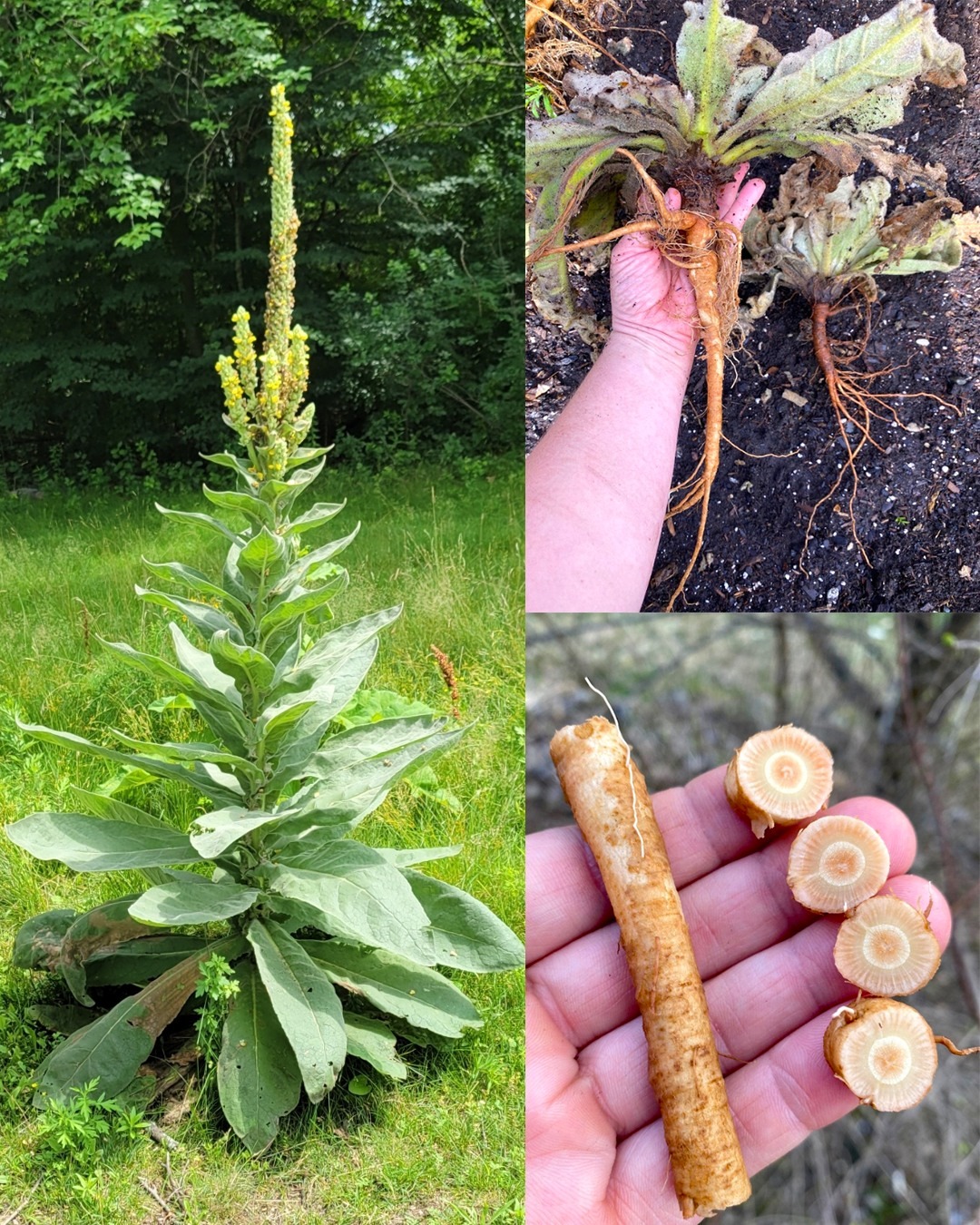
The hidden power of mullein roots has quietly fascinated herbal enthusiasts for generations. While most people recognize mullein for its tall yellow flower stalks and soft fuzzy leaves, the root of this hardy plant has a long history in traditional herbal practices that many people overlook today.
For centuries, mullein root has appeared in folk remedies connected to respiratory comfort, urinary support, inflammation, and general wellness. Although modern scientific research on mullein root remains limited, traditional herbalists continue valuing it for its gentle nature and historical use.
However, it is important to approach herbal remedies with balanced expectations. Natural plants may support overall wellness, but they are not miracle cures, replacements for professional medical treatment, or guaranteed solutions for serious health conditions. Responsible herbal use always includes proper identification, moderation, and consultation with healthcare professionals when needed.
I still remember the first time I saw a towering mullein plant growing along the edge of a hiking trail. Its thick velvet-like leaves and bright yellow flowers looked almost prehistoric standing above the grass. A local gardener explained that while most people focused on the leaves, herbal traditions often valued the root as well. That conversation sparked my curiosity about how many useful plants quietly grow unnoticed around us every day. Sometimes the most interesting natural remedies are the ones people walk past without realizing their long history.
What Is Mullein Root?
Mullein, scientifically known as Verbascum thapsus, is a biennial plant originally native to Europe and Asia but now common throughout many parts of North America.
Recognizing the Mullein Plant
During its first year, mullein grows as a low rosette of thick, fuzzy leaves close to the ground. In its second year, the plant sends up a tall flowering stalk that can grow several feet high.
Key features include:
- Soft velvety leaves
- Tall yellow flower spikes
- Thick central stalk
- Deep taproot system
The root itself is typically harvested during the plant’s first year before the tall flower stalk fully develops.
Because several plants may resemble mullein, proper identification is extremely important before harvesting or consuming any wild herb.
Traditional Herbal Uses
Historically, different parts of the mullein plant served different purposes.
Traditional uses often included:
- Leaves for respiratory comfort
- Flowers for infused oils
- Roots for urinary and inflammatory support
Folk herbal traditions from Europe and North America frequently described mullein root as a gentle supportive herb rather than an aggressive treatment.
Many herbalists still appreciate mullein root because of its mild nature and versatility in traditional wellness practices.
Traditional Uses Associated With Mullein Root
While research remains ongoing, mullein root has a long history in traditional herbal practices.
Urinary Tract and Bladder Support
One of the most common traditional uses of mullein root involves urinary wellness.
Historically, herbalists used mullein root preparations to support:
- Bladder comfort
- Mild urinary irritation
- General urinary tract wellness
Some people also combined mullein root with other herbs in traditional wellness blends.
However, persistent urinary symptoms should always be evaluated by a qualified healthcare provider because infections and other medical conditions require proper diagnosis and treatment.
General Inflammatory Support
Traditional herbal practices also associated mullein root with soothing inflammation and discomfort.
Folk uses sometimes included:
- Joint discomfort
- Mild muscle tension
- General inflammatory support
Certain natural plant compounds found in mullein may contribute to these traditional uses, although more scientific research is still needed to fully understand their effects.
Importantly, herbal support should never replace medical care for serious or persistent symptoms.
Why Mullein Became Popular in Folk Herbalism
Mullein developed a strong reputation partly because it grows easily in harsh conditions where many other plants struggle.
A Hardy and Accessible Plant
Mullein often grows:
- Along roadsides
- In open fields
- Near hiking trails
- In disturbed soil
Because the plant spreads easily and tolerates poor soil, many rural communities historically relied on it as an accessible herbal resource.
Traditional herbal knowledge frequently passed from one generation to another through observation and local experience rather than formal scientific study.
Gentle Reputation Compared to Stronger Herbs
Some herbalists describe mullein as relatively mild compared to stronger botanical remedies.
That gentle reputation contributed to its popularity in:
- Home herbal traditions
- Folk wellness practices
- Seasonal herbal teas
- Supportive wellness blends
Still, “natural” does not automatically mean completely risk-free. Every herb may affect individuals differently.
Common Ways People Use Mullein Root
Mullein root appears in several traditional herbal preparations.
Herbal Decoctions and Teas
Because mullein root is woody and fibrous, people often prepare it as a decoction instead of a simple tea.
A typical preparation involves:
- Adding dried root to water
- Simmering gently for several minutes
- Straining carefully before drinking
The flavor is often described as:
- Earthy
- Mildly bitter
- Slightly sweet
Straining thoroughly matters because tiny plant hairs may irritate the throat if left in the liquid.
Tinctures and Capsules
Some people prefer tinctures or encapsulated herbal supplements instead of teas.
Commercial herbal products may vary significantly in:
- Strength
- Purity
- Preparation methods
- Ingredient quality
Choosing reputable manufacturers helps reduce safety concerns when purchasing herbal products.
Additionally, anyone taking medications or managing chronic health conditions should consult a healthcare professional before using herbal supplements regularly.
Important Safety Considerations
Even gentle herbs deserve careful and responsible use.
Herbal Remedies Are Not Medical Replacements
Mullein root should not replace:
- Prescription medications
- Professional medical care
- Evidence-based treatments
- Emergency medical attention
Persistent symptoms involving:
- Urinary pain
- Breathing difficulty
- Severe inflammation
- Fever
- Ongoing discomfort
should always receive professional evaluation.
Pregnancy and Medication Considerations
Limited research exists regarding mullein root safety during:
- Pregnancy
- Breastfeeding
- Certain medical conditions
Additionally, herbal products may interact with medications.
Because herbal supplements are not regulated identically to prescription medications, quality and ingredient consistency can vary between products.
Responsible herbal use always includes moderation and informed decision-making.
Why People Continue Exploring Traditional Herbs
Interest in traditional herbalism continues growing as many people seek wellness practices that feel more connected to nature and historical traditions.
Curiosity About Natural Wellness
Many individuals enjoy learning about:
- Traditional plant uses
- Historical remedies
- Sustainable gardening
- Herbal preparation techniques
This curiosity often encourages deeper appreciation for plant knowledge passed down through generations.
Balancing Tradition With Science
Traditional herbal practices can coexist with modern medicine when approached responsibly.
The healthiest approach usually combines:
- Scientific medical care
- Evidence-based treatment
- Thoughtful wellness habits
- Safe herbal education
Curiosity is valuable, but informed caution matters equally.
Frequently Asked Questions
What is mullein root traditionally used for?
Traditional herbal practices often associated mullein root with urinary support, inflammatory comfort, and general wellness.
Is mullein root scientifically proven to cure diseases?
No. Research on mullein root remains limited, and it should not be considered a cure for medical conditions.
Can people drink mullein root tea?
Some people prepare mullein root as a decoction or herbal tea, but proper identification and careful preparation are important.
Is mullein safe for everyone?
Not necessarily. Pregnant individuals, people with medical conditions, and those taking medications should consult healthcare professionals before using herbal supplements.
Why is mullein considered a “forgotten” herb?
Many modern herbal discussions focus more on mullein leaves and flowers, while the root receives less attention today.
Conclusion
The hidden power of mullein roots reflects the growing interest many people have in traditional herbal knowledge and natural wellness practices. While mullein root has a long history in folk herbalism, responsible use requires balanced expectations, proper identification, and awareness that herbal remedies are not replacements for professional medical care.
Nature offers fascinating plants with rich historical traditions, and mullein remains one of the most recognizable examples growing quietly along roadsides and open fields. Whether appreciated for its historical uses, gardening appeal, or connection to herbal traditions, mullein continues reminding people that some of nature’s most interesting stories often grow in the simplest places.
More Home Remedies
- California Mom Issues Urgent Fireworks Warning After Teen Suffers Devastating Hand Injuries
- This Is the Silent Disease That Can Strike Without Warning
- The Midnight Ache: Understanding Nighttime Leg Cramps and How to Find Relief
- My 8-Year-Old Has Been Experiencing This for Two Months—Understanding Hives in Children