Rice water has become one of the most talked-about natural beauty remedies in recent years, but its history goes back centuries. Many Asian cultures have used rice water in traditional skincare and haircare routines for generations because of its nourishing properties and simple preparation. Today, people around the world are rediscovering this affordable homemade remedy for glowing skin, stronger hair, and natural wellness.
This Rice Water for Beauty and Health guide explains everything you need to know about this starchy liquid, including its benefits, uses, preparation methods, and important safety tips. Whether you want shinier hair, smoother skin, or a gentle natural beauty routine, rice water may become one of the simplest and most effective additions to your daily self-care habits.
I first learned about rice water from my grandmother, who never wasted anything in the kitchen. Whenever she rinsed rice before cooking, she saved the cloudy water in a glass jar instead of pouring it down the drain. She would use it to rinse her hair and gently pat it onto her face before bed. Her skin always looked soft and bright, and her hair stayed thick and shiny even as she got older. Years later, I finally tried the same simple routine myself and quickly understood why this old-fashioned remedy continues to stay popular today.
What Is Rice Water?
A Nutrient-Rich Liquid From Rice
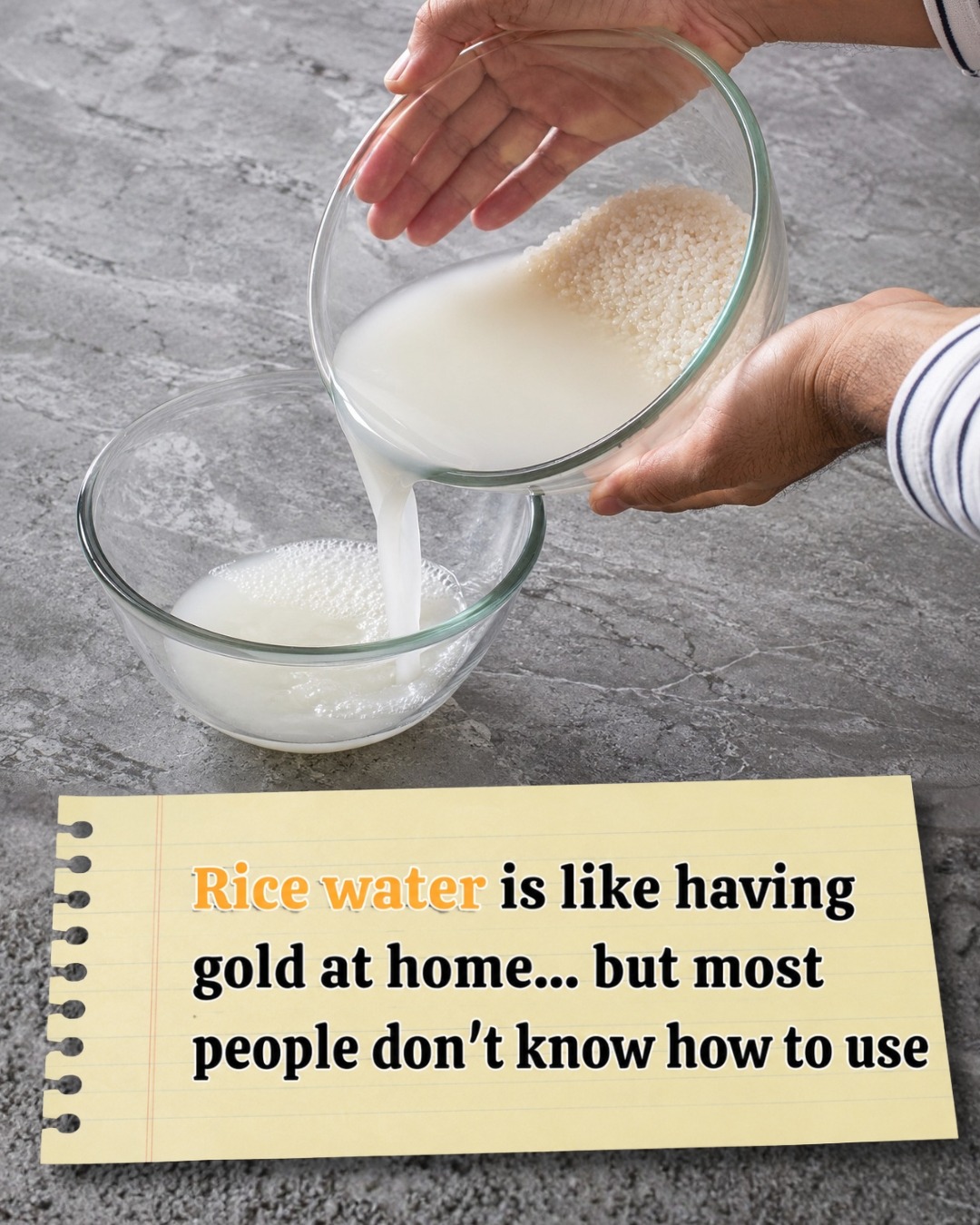
Rice water is the cloudy liquid left behind after soaking, rinsing, or boiling rice. While many people discard it during cooking preparation, this starchy water contains nutrients that may help support healthier skin and hair naturally.
Rice water contains:
- Amino acids
- Vitamins
- Minerals
- Antioxidants
- Plant compounds
These nutrients contribute to its growing popularity in beauty and wellness routines.
Different Types of Rice Water
Several preparation methods exist, including:
- Soaked rice water
- Boiled rice water
- Fermented rice water
Each version offers slightly different textures, scents, and concentrations of nutrients.
Rice Water Benefits for Hair
Helps Strengthen Hair
One of the biggest reasons people use rice water involves hair strengthening. The amino acids found in rice water may help support damaged hair strands and reduce breakage.
Regular use may improve:
- Hair texture
- Elasticity
- Smoothness
- Overall appearance
May Support Hair Growth
Many people believe fermented rice water helps stimulate healthier hair growth by nourishing the scalp and hair follicles.
Although results vary from person to person, users often report:
- Less shedding
- Thicker appearance
- Healthier scalp condition
Adds Shine and Softness
Rice water can leave hair looking:
- Shinier
- Softer
- Easier to detangle
This happens because the starch lightly coats the hair shaft, helping smooth rough strands.
Soothes Dry Scalp
The soothing properties of rice water may help calm mild scalp irritation and dryness.
Many users enjoy its gentle feel compared to stronger commercial treatments.
Rice Water Benefits for Skin
Helps Brighten Skin
Rice water is widely known as a natural brightening ingredient. Many people use it as a facial toner because it may help improve overall skin appearance and promote a healthy glow.
May Calm Acne and Redness
Its anti-inflammatory properties may help reduce:
- Mild irritation
- Redness
- Acne-related inflammation
Because rice water feels lightweight and gentle, many people with sensitive skin enjoy using it.
Supports Smoother Skin Texture
Regular use may help skin appear:
- Softer
- Fresher
- More even
Some users notice reduced roughness and improved hydration.
Contains Antioxidants
Rice water contains antioxidants that help protect the skin from environmental stressors and free radicals that contribute to visible aging.
How to Make Rice Water at Home
Simple Soaking Method
This is one of the easiest preparation methods.
Instructions:
- Rinse 1 cup of rice.
- Add 2–3 cups of clean water.
- Let the rice soak for 30 minutes.
- Stir gently.
- Strain the liquid into a clean container.
The resulting cloudy water becomes your rice water treatment.
Boiled Rice Water Method
Another method involves boiling rice in extra water and saving the leftover liquid after cooking.
Boiled rice water often contains a slightly thicker consistency.
Fermented Rice Water
Some people allow rice water to sit for 24–48 hours before refrigerating it.
Fermentation may increase certain compounds, although the scent becomes stronger.
How to Use Rice Water for Hair
As a Hair Rinse
After shampooing:
- Pour rice water over clean hair.
- Massage gently into the scalp.
- Leave on for 10–20 minutes.
- Rinse thoroughly.
Many people use rice water once or twice weekly.
As a Scalp Treatment
Rice water may also be applied directly to the scalp before washing hair.
Gentle scalp massage may improve absorption and relaxation.
How to Use Rice Water for Skin
As a Facial Toner
Apply chilled rice water using:
- Cotton pads
- Spray bottles
- Clean fingertips
Allow it to dry naturally before applying moisturizer.
As a Face Mask Ingredient
Rice water can be mixed with:
- Oatmeal
- Aloe vera
- Honey
to create simple homemade skincare masks.
Is Rice Water Safe?
Generally Safe for Most People
Rice water is usually considered safe for topical use on skin and hair.
However, everyone’s skin reacts differently.
Patch Testing Is Important
Before regular use:
- Apply a small amount first
- Wait 24 hours
- Watch for irritation
This step helps reduce the risk of unwanted reactions.
Avoid Overuse
Using rice water too frequently may cause:
- Dryness
- Protein buildup on hair
- Scalp heaviness
Moderation often produces the best results.
Why Rice Water Became So Popular
Affordable and Easy
One major reason rice water gained attention involves simplicity.
Unlike expensive beauty products, rice water:
- Costs very little
- Requires minimal preparation
- Uses common kitchen ingredients
Social Media and Beauty Trends
Online beauty communities helped popularize rice water worldwide through:
- Hair growth videos
- DIY skincare tutorials
- Traditional beauty discussions
Its natural appeal continues attracting people interested in simpler self-care routines.
Common Mistakes When Using Rice Water
Leaving It On Too Long
Some users leave rice water on hair overnight, which may cause dryness or stiffness for certain hair types.
Shorter treatments often work better.
Using Spoiled Rice Water
Rice water should always be refrigerated and discarded if it develops:
- Strong unpleasant odors
- Mold
- Unusual texture
Fresh preparation is safest.
Applying Too Frequently
Daily use may overwhelm some skin and hair types. Most people benefit from using rice water only a few times weekly.
FAQ
What is rice water used for?
Rice water is commonly used for hair rinses, skincare toners, and natural beauty treatments.
Can rice water help hair grow faster?
Some people believe rice water supports healthier hair growth, although results vary.
How long can rice water be stored?
Rice water can usually be refrigerated for up to one week.
Is rice water safe for sensitive skin?
Many people tolerate it well, but patch testing is recommended before regular use.
Can rice water replace skincare products?
Rice water may support beauty routines naturally, but it should not replace medical treatments for skin conditions.
Conclusion
Rice Water for Beauty and Health remains one of the simplest and most affordable natural remedies for improving hair and skin care routines. Packed with vitamins, amino acids, antioxidants, and minerals, this traditional homemade treatment continues gaining popularity because it offers gentle nourishment using ingredients already found in most kitchens.
Whether you use it as a hair rinse, facial toner, or soothing skincare treatment, rice water provides a natural option for people seeking simpler beauty solutions. While it may not produce instant miracles, consistent use can help support softer hair, smoother skin, and healthier self-care habits over time.
Sometimes the oldest beauty traditions continue surviving for a reason. Rice water proves that even the simplest kitchen ingredients can become valuable parts of a natural wellness routine.
More Home Remedies
- Wrinkled Fingers After Water Exposure: What Your Skin May Be Telling You
- Skin Rash With Breathing Trouble? It Could Be a Life-Threatening Allergic Reaction
- I Thought It Was a Piece of Trash on the Bathroom Floor—Until It Moved
- If You Are Getting White Pimples on Your Lips or Intimate Area, Here’s What They Could Mean