
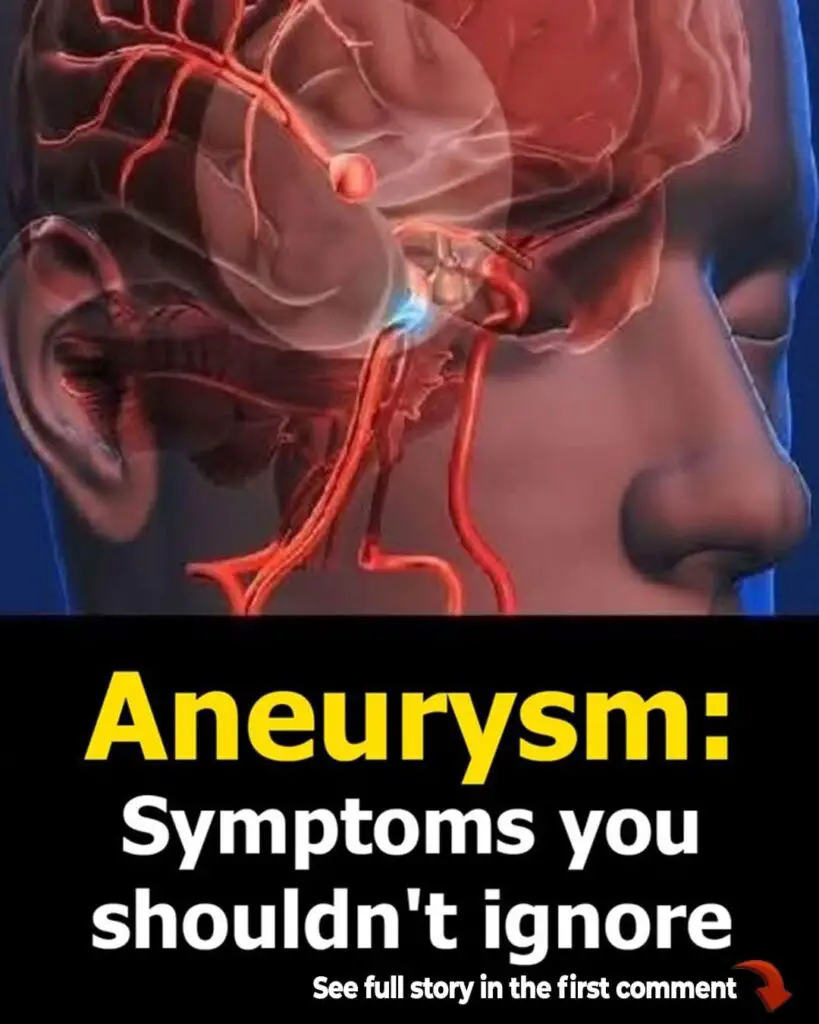
Aneurysms are often called “silent threats” because many people don’t realize they have one until a serious emergency happens. While some aneurysms remain small and never cause symptoms, others grow quietly over time and place dangerous pressure on blood vessels and surrounding tissue.
The most feared type is a brain aneurysm, also known as a cerebral aneurysm. This happens when a weakened section of a blood vessel in the brain bulges outward like a balloon. If that weakened area ruptures, it can lead to life-threatening bleeding in the brain.
The frightening part is that many symptoms can seem mild or easy to dismiss at first. A headache may feel like stress. Blurred vision may seem temporary. Fatigue might be blamed on lack of sleep.
However, recognizing the warning signs early could save a life.
This guide explains the possible early symptoms of a brain aneurysm, the major risk factors, when to seek emergency care, and how doctors diagnose and treat aneurysms before they become catastrophic.
What Is an Aneurysm?
An aneurysm occurs when part of a blood vessel wall weakens and begins to bulge outward.
While aneurysms can develop in different parts of the body, the most dangerous include:
- brain aneurysms
- aortic aneurysms
- abdominal aneurysms
Brain aneurysms are especially dangerous because rupture can cause bleeding around the brain called a subarachnoid hemorrhage.
This becomes a medical emergency within seconds.
Why Brain Aneurysms Are So Dangerous
The brain depends on a constant, healthy blood supply.
When an aneurysm ruptures:
- blood leaks into surrounding tissue
- pressure builds rapidly
- oxygen flow becomes disrupted
- brain damage can occur quickly
Even with emergency treatment, ruptured aneurysms can cause:
- stroke
- coma
- paralysis
- memory problems
- speech issues
- permanent disability
- death
That’s why early recognition matters so much.
Who Is Most at Risk?
Anyone can develop an aneurysm, but certain factors increase risk significantly.
Major Risk Factors
High Blood Pressure
Constant pressure weakens artery walls over time.
Smoking
Smoking damages blood vessels and increases rupture risk dramatically.
Family History
Having close relatives with aneurysms raises your risk.
Age
Most aneurysms occur between ages 30 and 60.
Heavy Alcohol Use
Excessive drinking can increase blood pressure and vessel stress.
Drug Use
Cocaine and amphetamines are strongly linked to aneurysm rupture.
Genetic Disorders
Some inherited conditions weaken connective tissue.
Examples include:
- polycystic kidney disease
- Ehlers-Danlos syndrome
- Marfan syndrome
Do All Aneurysms Cause Symptoms?
No.
Many aneurysms remain silent for years.
Small aneurysms often cause no noticeable symptoms at all.
However, larger aneurysms may press against:
- nerves
- brain tissue
- nearby blood vessels
This pressure can create warning signs before rupture occurs.
1. Sudden Severe “Thunderclap” Headache
This is the most serious warning sign.
People often describe it as:
- “the worst headache of my life”
- explosive pain
- pain peaking within seconds
This type of headache can indicate a ruptured aneurysm and requires immediate emergency care.
Do not wait to see if it improves.
2. Persistent Headaches in a New Pattern
Not every aneurysm headache is sudden.
Some unruptured aneurysms create ongoing headaches that:
- feel different from normal
- occur repeatedly
- stay localized behind one eye
A noticeable change in headache pattern should never be ignored.
3. Blurred or Double Vision
Growing aneurysms may press on nerves controlling the eyes.
Possible symptoms include:
- blurry vision
- double vision
- partial vision loss
- difficulty focusing
Vision changes can appear suddenly or gradually.
4. Drooping Eyelid
A drooping eyelid on one side may signal pressure on cranial nerves.
Some people also notice:
- unequal pupils
- one pupil larger than the other
- difficulty moving the eye
These symptoms require urgent evaluation.
5. Pain Around or Behind the Eye
Pain behind the eye is another possible warning sign.
It may feel:
- deep
- constant
- throbbing
- sharp
This occurs because nearby nerves become irritated as the aneurysm enlarges.
6. Numbness or Weakness on One Side of the Face
Pressure on facial nerves can create:
- numbness
- tingling
- weakness
- facial drooping
These symptoms may resemble stroke symptoms and should always be evaluated immediately.
7. Difficulty Speaking
Some people experience:
- slurred speech
- confusion
- trouble finding words
- inability to understand conversation
These neurological symptoms can appear suddenly and may signal bleeding or reduced blood flow.
8. Loss of Balance or Coordination
The brain controls movement and balance.
Aneurysm-related pressure or bleeding may cause:
- dizziness
- stumbling
- poor coordination
- difficulty walking
These symptoms may worsen rapidly.
9. Nausea and Vomiting
Sudden nausea accompanied by severe headache can signal rising pressure inside the skull.
This combination becomes especially concerning when paired with:
- vision changes
- confusion
- neck stiffness
- sensitivity to light
10. Stiff Neck
Blood leaking around the brain irritates protective tissues called meninges.
This irritation often causes:
- neck stiffness
- pain when bending forward
- inability to touch chin to chest comfortably
This symptom commonly occurs after rupture.
11. Sensitivity to Light
Photophobia, or light sensitivity, often accompanies:
- severe headaches
- meningitis
- bleeding around the brain
Bright lights may suddenly become painful or unbearable.
12. Seizures
Although less common, seizures can happen when bleeding or pressure disrupts brain activity.
New-onset seizures should always receive emergency medical attention.
Symptoms of a Ruptured Aneurysm
When rupture happens, symptoms usually appear suddenly and intensely.
Emergency Symptoms Include:
- thunderclap headache
- collapse
- loss of consciousness
- vomiting
- seizures
- confusion
- paralysis
- vision loss
- stiff neck
Call emergency services immediately if these occur.
Why People Often Ignore the Early Signs
Many symptoms resemble common conditions such as:
- migraines
- sinus headaches
- eye strain
- stress
- fatigue
Because of this, people may delay seeking help.
Unfortunately, time matters enormously with aneurysms.
Early detection greatly improves survival rates.
How Doctors Diagnose Aneurysms
Doctors use imaging tests to locate aneurysms.
Common Tests Include
CT Scan
Fast emergency imaging to detect bleeding.
MRI
Detailed brain imaging.
MRA (Magnetic Resonance Angiography)
Special imaging of blood vessels.
Cerebral Angiogram
Detailed dye imaging of arteries.
Treatment Options
Treatment depends on:
- aneurysm size
- location
- rupture risk
- patient health
Surgical Clipping
A small clip seals the aneurysm.
Endovascular Coiling
Tiny coils fill the aneurysm to prevent rupture.
Flow Diversion Stents
Redirect blood flow away from weakened vessels.
Can Aneurysms Be Prevented?
Not entirely, but risk can be reduced significantly.
Prevention Tips
Control Blood Pressure
High blood pressure is a major risk factor.
Stop Smoking
Smoking dramatically increases rupture risk.
Limit Alcohol
Heavy drinking stresses blood vessels.
Exercise Regularly
Healthy circulation supports vascular health.
Eat a Heart-Healthy Diet
Reduce artery damage and hypertension.
Manage Stress
Chronic stress affects blood pressure.
When Family History Matters
If multiple close relatives had aneurysms, screening may be recommended.
Talk to a doctor if:
- two or more first-degree relatives had aneurysms
- you have inherited connective tissue disorders
- you smoke and have hypertension
Early screening can detect aneurysms before symptoms begin.
Why Fast Action Saves Lives
Brain tissue is extremely sensitive to bleeding and oxygen loss.
The faster treatment begins:
- the lower the risk of permanent damage
- the better the recovery chances
- the greater the survival rate
Never ignore sudden neurological symptoms.
Recovery After an Aneurysm
Recovery varies greatly depending on:
- rupture severity
- speed of treatment
- complications
- rehabilitation
Some people recover fully.
Others may need therapy for:
- speech
- movement
- memory
- emotional changes
Emotional Impact of Aneurysms
Many survivors describe:
- anxiety
- depression
- fear of recurrence
- PTSD-like symptoms
Emotional recovery matters just as much as physical healing.
Support systems and counseling often help significantly.
Final Thoughts
Aneurysms are frightening because they can develop silently, but the body sometimes sends warning signs before disaster strikes.
Symptoms such as:
- sudden severe headache
- vision changes
- facial numbness
- speech problems
- dizziness
- neck stiffness
should never be ignored, especially when they appear suddenly or feel unusual.
Most headaches are not aneurysms. Most dizziness is not bleeding in the brain. But recognizing the rare red flags can make the difference between life and death.
Trust your instincts when something feels seriously wrong.
Seeking medical attention quickly may save not only your life, but also your ability to recover fully and continue living the life you love.