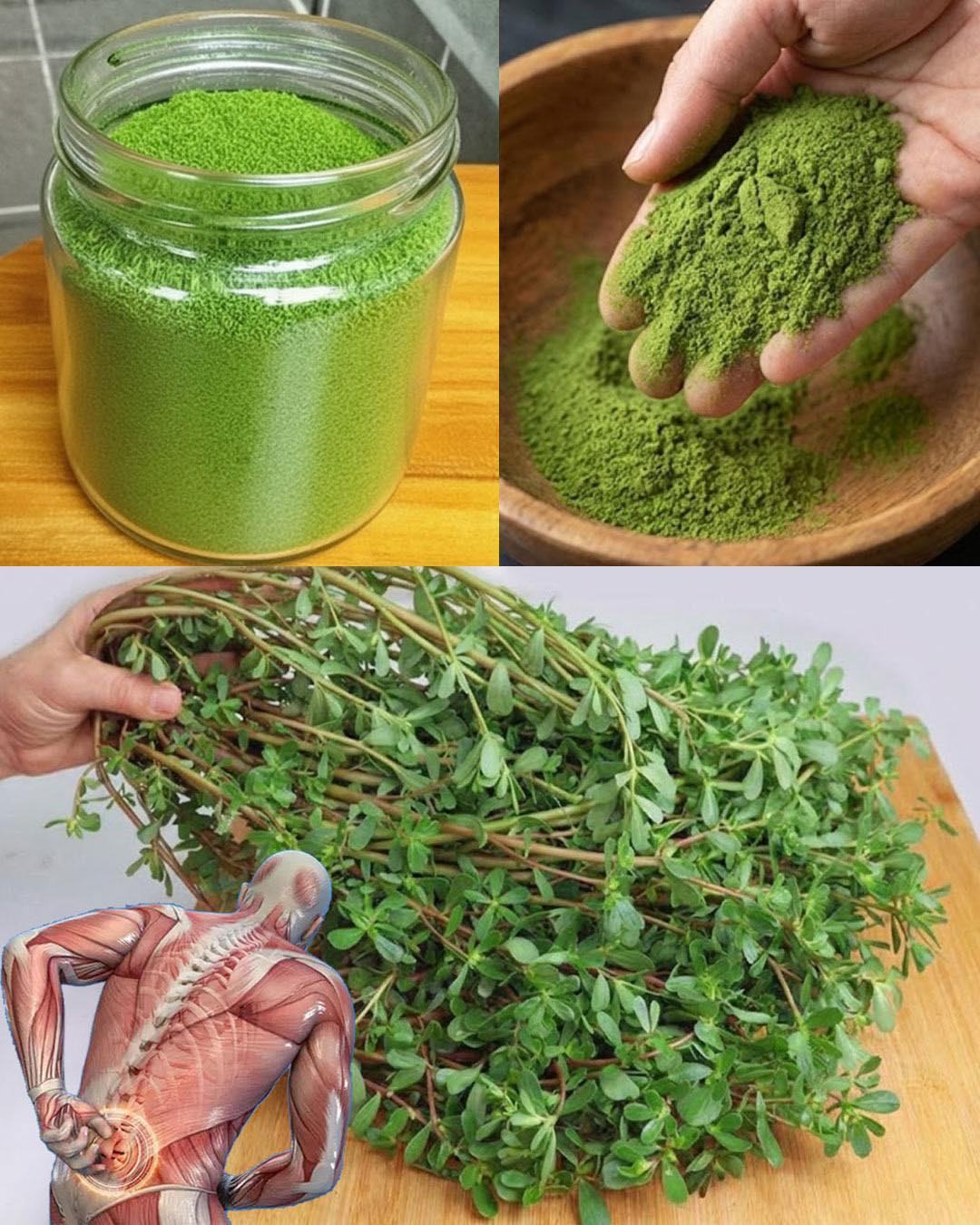
If you’re looking for a simple, nutritious, and versatile plant to add to your meals, 10 Benefits and Uses of Purslane will open your eyes to a hidden gem in everyday cooking. Often overlooked as a common weed, purslane is actually packed with nutrients and offers a variety of culinary and wellness uses. Because it grows easily and requires little effort to prepare, it has become increasingly popular among people seeking natural and wholesome food options.
A few summers ago, I noticed a small green plant growing between the tiles in my backyard. At first, I ignored it like any other weed. However, after a neighbor mentioned it was purslane and completely edible, I became curious. I decided to try it in a simple salad, and I was surprised by its slightly tangy taste and crisp texture. Since then, I’ve added it to different meals, and it has become a regular part of my kitchen routine because of its simplicity and freshness.
Why Purslane Is Gaining Attention
A Natural and Accessible Superfood
Purslane stands out because it grows almost anywhere without special care. While many people spend money on imported superfoods, this plant often grows right in gardens or sidewalks. As a result, it offers an easy way to include more greens in your diet without extra cost.
Moreover, people today prefer natural ingredients over processed options. Purslane fits perfectly into this lifestyle. It requires minimal preparation, and you can eat it raw or cooked. Because of this flexibility, it appeals to both beginners and experienced home cooks.
A Nutrient-Dense Addition to Meals
Another reason for its growing popularity is its impressive nutritional value. Purslane contains vitamins A, C, and E, along with minerals like magnesium and potassium. These nutrients support overall wellness and help maintain balance in your daily diet.
Additionally, it provides plant-based omega-3 fatty acids, which are not commonly found in leafy greens. This makes it a unique addition to meals, especially for those looking to diversify their nutrient intake naturally.
Nutritional Benefits of Purslane
Rich in Essential Vitamins and Minerals
Purslane delivers a wide range of vitamins that support everyday health. Vitamin A contributes to maintaining healthy skin and vision, while vitamin C supports immune function. At the same time, minerals like calcium and iron help strengthen bones and maintain energy levels.
Because of its nutrient density, even a small serving can make a difference. Adding it regularly to your meals helps support a balanced diet without complicated planning.
Powerful Antioxidant Properties
In addition to vitamins, purslane contains antioxidants such as beta-carotene. These compounds help protect the body from oxidative stress. Over time, this protection supports overall well-being and helps maintain healthy cells.
Furthermore, antioxidants play a role in maintaining a youthful appearance. While no single food creates instant results, including antioxidant-rich plants like purslane can support long-term health when combined with a balanced lifestyle.
Culinary Uses and Preparation Ideas
Easy Ways to Add Purslane to Your Meals
Purslane’s mild, slightly tangy flavor makes it easy to include in many dishes. You can add it raw to salads for a refreshing crunch. It also blends well into smoothies, giving them an extra nutritional boost without overpowering the taste.
In addition, it works well in sandwiches and wraps. Simply replace lettuce with purslane for a different texture and flavor. Because it pairs well with many ingredients, you can experiment freely.
Cooking Methods That Enhance Flavor
While purslane tastes great raw, cooking it can bring out a softer texture. Stir-frying it with vegetables creates a quick and flavorful dish. It also works well in soups and stews, where it acts as a natural thickener.
Moreover, light cooking helps maintain its nutrients while improving digestibility for some people. Because of this, alternating between raw and cooked preparations offers variety and balance.
Equipment
- Knife
- Cutting board
- Pan
Ingredients
- 1 cup fresh purslane leaves
- 1 tbsp olive oil
- 1 pinch salt
- 1 pinch black pepper
Instructions
- Wash purslane thoroughly under running water.
- Chop into bite-sized pieces.
- Add to salad or cook lightly with olive oil.
- Season with salt and pepper before serving.
Notes
Nutrition
How to Use Purslane Safely and Effectively
Tips for Selecting and Storing
When choosing purslane, look for fresh, green leaves and firm stems. Avoid any that appear wilted or discolored. Washing it thoroughly is important, especially if it grows wild, to remove dirt and impurities.
To store it, place it in the refrigerator wrapped in a damp cloth. This helps maintain freshness for several days. Using it soon after harvesting ensures the best flavor and texture.
Practical Usage Guidelines
Although purslane is nutritious, moderation is important. Adding it a few times per week works well for most people. This allows your body to adjust while you enjoy its benefits.
Additionally, always ensure proper identification before consuming wild plants. If unsure, it is better to source it from a reliable market. Taking these simple precautions helps you enjoy purslane safely and confidently.
FAQ
What does purslane taste like?
Purslane has a mild, slightly tangy flavor with a crisp texture, similar to spinach with a citrus hint.
Can I eat purslane raw?
Yes, you can eat it raw in salads or sandwiches. It is fresh and crunchy when uncooked.
How often should I eat purslane?
You can enjoy it a few times per week as part of a balanced diet.
Is purslane easy to grow?
Yes, it grows easily in many environments and requires minimal care.
Can I cook purslane?
Absolutely. It works well in stir-fries, soups, and stews.
Conclusion
Exploring the 10 Benefits and Uses of Purslane reveals just how valuable this simple plant can be. From its rich nutritional profile to its versatility in the kitchen, it offers an easy way to improve everyday meals. Because it is accessible, affordable, and simple to prepare, it fits naturally into a wide range of lifestyles.
By adding purslane to your routine, you can enjoy both its flavor and its benefits without extra effort. Keep experimenting with different recipes, and you may find that this humble plant becomes a favorite ingredient in your kitchen.
More Home Remedies
- Wrinkled Fingers After Water Exposure: What Your Skin May Be Telling You
- Skin Rash With Breathing Trouble? It Could Be a Life-Threatening Allergic Reaction
- I Thought It Was a Piece of Trash on the Bathroom Floor—Until It Moved
- If You Are Getting White Pimples on Your Lips or Intimate Area, Here’s What They Could Mean