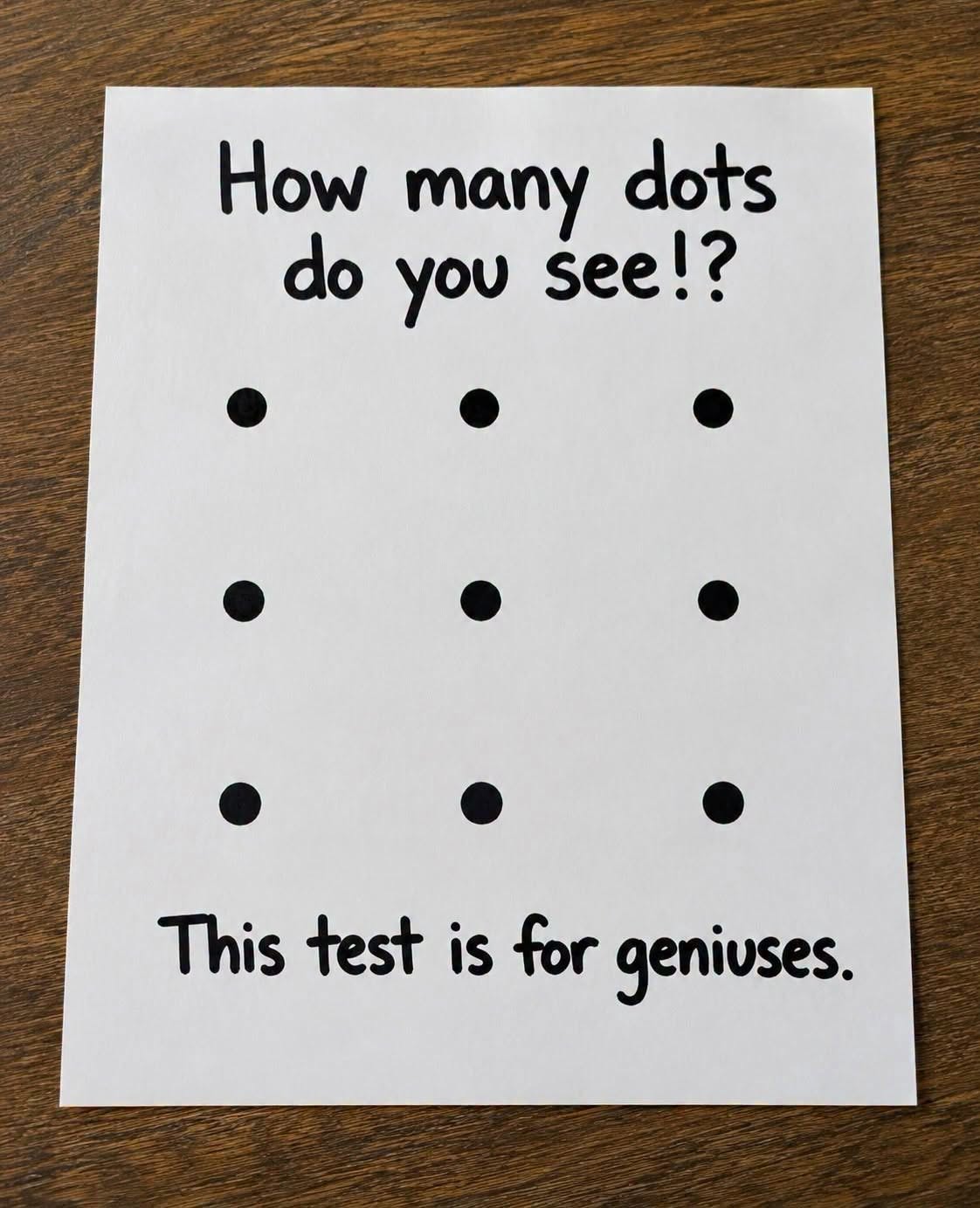
Questions and Riddles That Will Challenge Your Brain can turn an ordinary afternoon into an entertaining test of observation, logic, and creative thinking. A good riddle looks simple at first. However, the obvious answer often leads you in the wrong direction. Instead, you need to slow down, reconsider the wording, and look at the problem from another angle.
That small mental shift explains why riddles remain so entertaining. Children can enjoy them with their families, while adults can use them during parties, road trips, classroom activities, or casual gatherings. Moreover, you do not need special knowledge to solve most brain teasers. You simply need patience, attention, and a willingness to question your first assumption.
I started collecting riddles after a simple family game turned unexpectedly competitive one evening. Everyone assumed the younger players would need help, yet they often spotted the trick before the adults did. One question seemed almost impossible until someone quietly repeated a single word from the clue. Suddenly, the answer became obvious, and everyone laughed at how easily we had overlooked it. Since then, riddles have become a favorite way to fill quiet moments. They require no equipment, they work with almost any group, and they create the satisfying feeling that comes when a confusing problem finally makes perfect sense.
Why Questions and Riddles That Will Challenge Your Brain Feel So Tricky
Your First Assumption Can Lead You Away From the Answer
The human brain constantly looks for familiar patterns. Usually, that ability helps us understand situations quickly. For example, we recognize objects, anticipate routines, and interpret familiar words without carefully analyzing every detail. However, Questions and Riddles That Will Challenge Your Brain often use this strength against us.
A clever riddle encourages you to make an immediate assumption. Then, the actual answer depends on noticing why that assumption does not necessarily follow from the clue.
Consider this classic riddle: “What gets wetter the more it dries?”
At first, you might imagine rain, clothing, or something exposed to water. However, the word “dries” has two possible roles. Something can become dry, or something can dry another object. Once you notice that distinction, the answer becomes clear: a towel.
Therefore, strong riddle-solving starts with careful reading. Instead of immediately searching for an answer, examine every important word. Ask whether a word could have another meaning. Also, notice whether the question encourages you to imagine information that never actually appears in the clue.
Likewise, avoid making the puzzle more complicated than necessary. Many riddles sound mysterious precisely because their answers are ordinary.
The “postage stamp” riddle offers a perfect example. Something travels around the world while remaining in one corner. You might initially imagine an unusual machine or geographical phenomenon. Yet a postage stamp can travel thousands of miles while staying attached to the corner of an envelope.
Consequently, the best approach often involves simplifying rather than complicating.
Wordplay and Misdirection Make Simple Questions Difficult
Questions and Riddles That Will Challenge Your Brain frequently depend on wordplay. Therefore, paying attention to language matters just as much as applying traditional logic.
Take this question:
“What comes once in a minute, twice in a moment, but never in a thousand years?”
The wording makes the question sound like it concerns time. Naturally, you may start thinking about seconds, events, or calendar patterns. However, the puzzle actually refers to spelling. The letter M appears once in “minute,” twice in “moment,” and not at all in “a thousand years.”
That sudden change in perspective creates the satisfying moment that makes riddles memorable.
Similarly, some puzzles rely on double meanings. Others hide clues inside the wording. Meanwhile, certain riddles deliberately encourage you to focus on unnecessary details.
Because of this, rereading the question can help. Read it once for its obvious meaning. Then read it again as though every word might contain a clue.
You can also ask yourself several simple questions. What information did the riddle actually provide? What did I assume? Could an important word have another meaning? Am I thinking too literally?
Above all, stay flexible. If one interpretation leads nowhere, abandon it and try another. The ability to change approaches often matters more than solving the puzzle quickly.
How Questions and Riddles That Will Challenge Your Brain Exercise Your Thinking
Brain Teasers Encourage Logic, Patience, and Observation
Questions and Riddles That Will Challenge Your Brain provide entertainment, but they also encourage useful thinking habits. First, riddles reward careful observation. A single overlooked word can completely change the solution.
Additionally, puzzles encourage patience. When an answer does not appear immediately, you have to remain with the problem rather than abandoning it. Although a riddle provides a small challenge, the habit of calmly reconsidering a problem can prove useful in many everyday situations.
Brain teasers also encourage logical reasoning. You often need to eliminate impossible interpretations before finding one that fits every clue.
For example:
“The more you take, the more you leave behind. What am I?”
You might initially think about physical objects. However, taking an object normally leaves fewer things behind. Therefore, that interpretation contradicts the clue. When you consider movement instead, the answer becomes easier. The more footsteps you take, the more footprints or footsteps you leave behind.
Furthermore, riddles encourage attention to language. The difference between “taking” something and “taking steps” creates the entire puzzle.
These small challenges can also work well as group activities. One person may focus on logic, while another notices wordplay immediately. As a result, discussing possible answers reveals how differently people approach the same information.
Most importantly, riddles make careful thinking enjoyable. Instead of presenting reasoning as an assignment, they turn it into a game.
Creative Thinking Helps When Logic Alone Gets Stuck
Traditional logic can solve many puzzles. However, Questions and Riddles That Will Challenge Your Brain often require creative thinking as well.
Consider this riddle:
“What has many keys but cannot open a single door?”
If you interpret “keys” only as metal objects used in locks, the question seems impossible. However, once you consider other meanings of the word, a piano becomes an obvious answer.
This technique appears repeatedly in brain teasers. Therefore, when you get stuck, start generating alternative meanings.
For instance, a “page” does not always belong to a traditional book. A calendar has pages. A “promise” can break even though nobody physically touches it. Gloves can become “filled” by empty hands.
Creative thinking works because it expands the number of possible solutions you can consider.
However, creativity does not mean guessing randomly. The final answer should still explain every important part of the clue. If an answer requires you to ignore half the wording, another solution probably fits better.
Therefore, use imagination first and verification second. Generate unusual possibilities, and then test each possibility against the exact question.
This method also makes riddles more enjoyable. Instead of treating a wrong guess as failure, treat it as one possible interpretation that you tested and eliminated.
Eventually, you begin recognizing common forms of misdirection. Nevertheless, a well-written puzzle can still surprise you.
Questions and Riddles That Will Challenge Your Brain to Solve Right Now
Try These Classic Logic and Wordplay Riddles
Now you can put those strategies into practice. Try answering each question before reading its solution.
1. The More You Take
The more you take, the more you leave behind. What am I?
Answer: Footsteps.
The trick involves changing the meaning of “take.” You take steps while walking, and therefore you leave footsteps behind.
2. The Invisible Traveler
I travel around the world while staying in one corner. What am I?
Answer: A postage stamp.
A stamp remains attached to the corner of an envelope while the envelope travels.
3. The Wet Dryer
What gets wetter the more it dries?
Answer: A towel.
The towel dries something else. Consequently, it becomes wetter while performing that job.
4. The Family Puzzle
A father and son experience a serious car accident. The father dies, and the boy goes to the hospital. The surgeon sees him and says, “I can’t operate. That’s my son.” How can this happen?
Answer: The surgeon is the boy’s mother.
The puzzle demonstrates how an unstated assumption can interfere with reasoning.
5. The Talking Room
What has many keys but cannot open a single door?
Answer: A piano.
The word “keys” creates the misdirection.
These Questions and Riddles That Will Challenge Your Brain show why careful reading matters. None requires complicated calculations. Instead, each puzzle encourages a change in perspective.
Five More Riddles That Reward Careful Thinking
Continue with another set, but give yourself a few seconds before checking each answer.
6. The Endless Question
What comes once in a minute, twice in a moment, but never in a thousand years?
Answer: The letter M.
Rather than measuring time, the puzzle asks you to examine the words themselves.
7. The Empty Container
What can you fill with empty hands?
Answer: Gloves.
Your hands may hold nothing, yet they can still fill a pair of gloves.
8. The Silent Companion
I follow you everywhere during the day but disappear when darkness removes the light. What am I?
Answer: Your shadow.
A shadow follows your movements whenever a suitable light source creates it.
9. The Untouchable Break
What can you break without touching it?
Answer: A promise.
Here, “break” refers to failing to keep a commitment rather than physically damaging something.
10. The Endless Book
What has pages but is not necessarily a book?
Answer: A calendar.
Traditional paper calendars often contain pages for different months.
Once again, these Questions and Riddles That Will Challenge Your Brain depend more on interpretation than specialized knowledge.
If you solved several immediately, you may already recognize common riddle patterns. However, getting an answer wrong can prove equally entertaining. Often, the incorrect assumption reveals exactly how the puzzle created its misdirection.
Making Questions and Riddles That Will Challenge Your Brain More Fun
Turn Riddles Into a Family or Party Challenge
Questions and Riddles That Will Challenge Your Brain work particularly well in groups because everyone approaches them differently. Therefore, you can easily turn a collection of riddles into a simple game.
Start by choosing one person to read each puzzle aloud. Then give everyone enough time to think before allowing answers. If someone solves it immediately, ask that person to wait quietly so everyone else gets a chance.
You can also award one point for each correct solution. However, the game usually becomes more interesting when you reward explanations as well. Someone might guess the right answer without understanding why it works. Asking players to explain the reasoning keeps everyone involved.
For children, choose shorter riddles with concrete answers. Meanwhile, teenagers and adults may enjoy questions involving hidden assumptions or complicated wordplay.
You can also adjust the difficulty by offering clues. For example, tell players whether the answer involves an object, word, letter, or idea. A small hint often prevents frustration without giving away the solution.
Additionally, riddles work well during road trips, family dinners, classroom breaks, and holiday gatherings because they require almost no preparation.
You only need a collection of questions and a group willing to think.
Most importantly, keep the atmosphere playful. The purpose involves curiosity rather than proving who has the fastest mind.
Learn How to Solve Difficult Riddles More Consistently
When Questions and Riddles That Will Challenge Your Brain seem impossible, use a simple process.
First, read the exact wording carefully. Then separate facts from assumptions. Many difficult riddles become easier once you notice information that you unconsciously added.
Next, examine words with multiple meanings. Terms such as “keys,” “break,” “take,” “dry,” and “pages” can describe several different things.
After that, consider whether the puzzle focuses on spelling rather than meaning. Letter riddles often disguise themselves as questions about time, objects, or numbers.
You should also try reversing your perspective. Instead of asking what an object normally does, ask what unusual object could satisfy every clue.
Furthermore, do not ignore obvious possibilities merely because they seem too simple. Riddle answers often hide in everyday objects and familiar expressions.
Finally, give yourself permission to stop temporarily. When you concentrate too intensely on one interpretation, you may become trapped by it. Returning later can make another interpretation immediately visible.
Questions and Riddles That Will Challenge Your Brain become easier with practice, but they should never become completely predictable. Their appeal comes from surprise.
The best solution produces that instant feeling of recognition: the answer was available all along, yet the wording encouraged you to look somewhere else.
Frequently Asked Questions
What makes a riddle difficult to solve?
A riddle becomes difficult when its wording encourages an incorrect assumption. Wordplay, double meanings, hidden clues, and misdirection can make a simple answer difficult to notice. Therefore, carefully examining the exact wording often helps more than searching for a complicated solution.
Are Questions and Riddles That Will Challenge Your Brain suitable for children?
Yes. Many riddles work extremely well for children, especially short puzzles involving familiar objects, animals, letters, and everyday situations. However, adults should choose age-appropriate questions because some logic puzzles depend on vocabulary or concepts younger children may not know yet.
How can I get better at solving riddles?
Practice identifying assumptions and alternative meanings. Additionally, reread each clue slowly, look for wordplay, and consider simple answers before complicated ones. Over time, you will recognize common patterns more quickly.
Why are simple riddles sometimes harder than complicated puzzles?
Simple riddles often hide their difficulty inside ordinary language. Because the question looks easy, your brain quickly chooses the most familiar interpretation. However, the intended answer usually requires another interpretation. Therefore, simplicity can create especially effective misdirection.
What should I do when I cannot solve a riddle?
Stop repeating the same approach. Instead, examine individual words, identify your assumptions, and consider whether the clue refers to letters, sounds, expressions, or alternative definitions. If necessary, take a short break and return with a fresh perspective.
Conclusion
Questions and Riddles That Will Challenge Your Brain prove that an entertaining mental challenge does not need complicated mathematics or specialized knowledge. Sometimes a few carefully chosen words can create a puzzle that keeps you thinking far longer than expected.
Riddles encourage you to notice details, challenge assumptions, experiment with different interpretations, and remain patient when the first solution does not work. Moreover, they provide an easy activity that families, friends, students, and coworkers can enjoy together.
The next time a riddle seems impossible, resist the urge to overcomplicate it. Read the question again. Look closely at the words. Question what you assumed, and consider an entirely different perspective.
After all, the most satisfying Questions and Riddles That Will Challenge Your Brain often have answers that were hiding in plain sight from the beginning.
More Home Remedies
- Wrinkled Fingers After Water Exposure: What Your Skin May Be Telling You
- Skin Rash With Breathing Trouble? It Could Be a Life-Threatening Allergic Reaction
- I Thought It Was a Piece of Trash on the Bathroom Floor—Until It Moved
- If You Are Getting White Pimples on Your Lips or Intimate Area, Here’s What They Could Mean