Human papillomavirus (HPV) is one of the most common sexually transmitted infections in the world.
In fact, health experts estimate that most sexually active people will be exposed to HPV at some point during their lives. Yet despite how common it is, HPV remains widely misunderstood and often surrounded by unnecessary fear and stigma.
If you’ve recently learned that a partner has HPV—or you’re wondering what exposure might mean for your health—here’s what you should know.
What Is HPV?
HPV is not a single virus.
It is actually a group of more than 200 related viruses. Some types cause common skin warts, while others infect the genital and oral areas.
HPV is generally divided into two categories:
Low-Risk HPV Types
These strains may cause:
- Genital warts
- Mild cellular changes
- No symptoms at all
They do not cause cancer.
High-Risk HPV Types
Certain strains can cause abnormal cell changes that may eventually lead to:
- Cervical cancer
- Anal cancer
- Penile cancer
- Vulvar cancer
- Vaginal cancer
- Some throat and oral cancers
However, developing cancer from HPV is uncommon and usually occurs only after persistent infection over many years.
How Is HPV Spread?
HPV is transmitted through intimate skin-to-skin contact.
This includes:
- Vaginal sex
- Anal sex
- Oral sex
- Genital-to-genital contact
Unlike many infections, HPV does not require symptoms to spread.
A person can transmit HPV even when:
- They feel completely healthy
- They have no visible warts
- They have no idea they carry the virus
This is one reason HPV is so common.
What Happens After Exposure?
The answer depends on several factors, including the HPV type involved and your immune response.
Most People Experience No Symptoms
For most individuals:
- The immune system clears the infection naturally.
- No symptoms ever develop.
- No treatment is required.
Many people never know they were exposed.
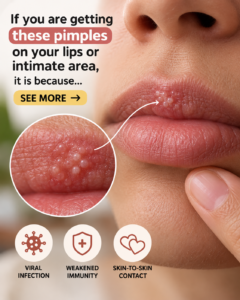
Some People Develop Genital Warts
Certain low-risk HPV types, especially HPV 6 and HPV 11, can cause genital warts.
These may appear as:
- Small flesh-colored bumps
- Clusters resembling cauliflower
- Flat or raised growths
Although genital warts can be upsetting or uncomfortable, they are not cancerous.
Persistent Infection Can Cause Cell Changes
In a minority of cases, high-risk HPV remains in the body for years.
Persistent infection may lead to abnormal cellular changes.
Without monitoring and treatment, these changes can occasionally progress to cancer.
Fortunately, screening programs have dramatically improved early detection and prevention.
HPV and Women’s Health
HPV is most commonly discussed in relation to cervical cancer.
Nearly all cervical cancers are linked to persistent infection with high-risk HPV types.
Regular screening allows healthcare providers to detect abnormal cells long before cancer develops.
Recommended screening may include:
- Pap tests
- HPV testing
- Follow-up evaluations when needed
Early detection makes treatment highly effective.
HPV and Men’s Health
HPV affects men as well.
Possible complications include:
- Genital warts
- Anal cancer
- Penile cancer
- Certain throat cancers
There is currently no routine HPV screening test approved for most men.
Because of this, vaccination and awareness play important roles in prevention.
Can Condoms Prevent HPV?
Condoms help reduce risk but do not eliminate it entirely.
Because HPV spreads through skin contact, areas not covered by a condom can still transmit the virus.
Even so, condoms remain strongly recommended because they:
- Lower HPV transmission risk
- Reduce exposure to other sexually transmitted infections
- Support overall sexual health
The HPV Vaccine: One of the Best Preventive Tools
The HPV vaccine offers strong protection against the strains most commonly linked to:
- Cervical cancer
- Anal cancer
- Several other HPV-related cancers
- Genital warts
In many countries, vaccination is recommended during adolescence, but adults may also benefit.
Talk with a healthcare provider about whether vaccination is appropriate for you.
When Should You See a Healthcare Professional?
Consider medical advice if you:
- Notice genital warts
- Receive an abnormal Pap test result
- Have concerns about HPV exposure
- Want information about vaccination
- Experience unusual symptoms in the genital or oral area
A healthcare provider can explain testing, treatment options, and prevention strategies.
Frequently Asked Questions
If my partner has HPV, will I definitely get it?
Not necessarily, but exposure is possible. HPV transmission is common because it spreads through skin-to-skin contact.
Does HPV always cause symptoms?
No. Most HPV infections produce no symptoms at all.
Can HPV be cured?
There is no medication that eliminates HPV itself. However, most infections clear naturally, and treatments are available for warts and abnormal cell changes.
Should I tell future partners if I have HPV?
Because HPV is extremely common and often impossible to determine when it was acquired, disclosure situations can be complex. Discussing concerns with a healthcare provider can help guide individual decisions.
Can vaccinated people still get HPV?
Yes, but vaccination significantly reduces the risk of infection from the most dangerous and common HPV strains.
The Bottom Line
Exposure to HPV is a normal part of life for many sexually active adults.
Most infections cause no symptoms and disappear on their own without treatment. A smaller number may lead to genital warts or persistent infections that require monitoring.
The good news is that vaccination, regular screening, safer sex practices, and open communication have made HPV-related health problems increasingly preventable.
HPV is not a sign of poor character, irresponsibility, or uncleanliness.
It is a common virus.
Understanding it—and talking about it without shame—is one of the most effective ways to protect yourself and others.
More Home Remedies
- Wrinkled Fingers After Water Exposure: What Your Skin May Be Telling You
- Skin Rash With Breathing Trouble? It Could Be a Life-Threatening Allergic Reaction
- I Thought It Was a Piece of Trash on the Bathroom Floor—Until It Moved
- If You Are Getting White Pimples on Your Lips or Intimate Area, Here’s What They Could Mean