What Your Visible Veins Might Be Telling You
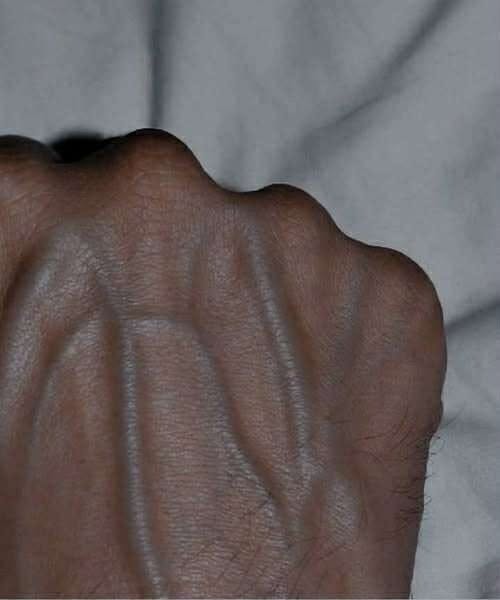
Have you ever looked at your hands, arms, or legs and suddenly noticed your veins appearing more prominent than usual? For some people, visible veins are simply a normal part of aging or fitness. For others, they can spark concerns about circulation, heart health, or underlying medical conditions.
The truth is that visible veins are often harmless. In many cases, they are simply the result of genetics, body composition, exercise habits, or natural aging. However, there are situations where prominent veins may signal an issue that deserves medical attention.
Understanding the difference between normal vein visibility and potential warning signs can help you make informed decisions about your health.
Let’s take a closer look at why veins become more noticeable, what factors influence their appearance, and when it’s time to seek professional advice.
Understanding How Veins Work
Your circulatory system consists of arteries, veins, and capillaries that transport blood throughout the body.
Arteries carry oxygen-rich blood away from the heart, while veins return oxygen-depleted blood back to the heart and lungs.
Unlike arteries, veins have thinner walls and operate under lower pressure. Many veins sit close to the surface of the skin, especially in the hands, arms, and legs. Because of this, changes in body composition, circulation, temperature, or vein function can make them more noticeable.
Visible veins alone are not automatically a sign of disease. In fact, they are often completely normal.
Common Reasons Veins Become More Visible
1. Low Body Fat Percentage
One of the most common reasons veins stand out is having less body fat beneath the skin.
Fat acts as a cushion between the skin and underlying structures. When body fat decreases, veins become easier to see.
This is especially common among:
- Athletes
- Bodybuilders
- Runners
- Cyclists
- Individuals who have recently lost weight
In these situations, visible veins are often viewed as a sign of fitness rather than a health concern.
2. Aging
As we get older, several natural changes occur that affect vein visibility.
These include:
- Thinning skin
- Reduced collagen production
- Loss of elasticity
- Decreased subcutaneous fat
As a result, veins that were once hidden become more apparent, particularly on the backs of the hands, forearms, and lower legs.
For many older adults, prominent veins are simply a normal part of the aging process.
3. Exercise and Physical Activity
During exercise, muscles require more oxygen and nutrients.
To meet this demand:
- Blood flow increases
- Blood vessels expand
- Veins become temporarily larger
This effect is particularly noticeable after weight training, running, or other vigorous activities.
Many fitness enthusiasts refer to this as “vascularity.”
After the body cools down, veins typically return to their usual appearance.
4. Warm Weather and Heat Exposure
Temperature plays a major role in vein visibility.
When temperatures rise, the body attempts to release excess heat by widening blood vessels near the skin’s surface.
This process, known as vasodilation, allows more blood to circulate near the skin and helps cool the body.
As a result:
- Veins may appear larger
- Surface veins become more visible
- Skin may appear slightly flushed
This effect is temporary and usually disappears when temperatures return to normal.
5. Genetics
Some people naturally have more visible veins than others.
Genetic factors influence:
- Skin thickness
- Skin pigmentation
- Vein size
- Body fat distribution
If your parents or grandparents had prominent veins, there’s a good chance you will too.
6. Pregnancy
Pregnancy places additional demands on the circulatory system.
Blood volume can increase significantly to support the developing baby.
Hormonal changes also cause blood vessels to relax and expand.
As a result, pregnant women often notice:
- More visible veins in the legs
- Prominent veins on the breasts
- Increased vascularity in the hands and arms
These changes often improve after delivery.
When Visible Veins May Signal a Problem
Although visible veins are usually harmless, certain symptoms may indicate an underlying circulatory disorder.
Varicose Veins
Varicose veins are enlarged, twisted veins that most commonly occur in the legs.
They develop when vein valves weaken and allow blood to pool rather than flow efficiently back to the heart.
Symptoms may include:
- Bulging blue or purple veins
- Leg heaviness
- Aching pain
- Burning sensations
- Swelling
- Nighttime leg cramps
While often considered a cosmetic issue, severe varicose veins can lead to complications if left untreated.
Chronic Venous Insufficiency
Chronic Venous Insufficiency (CVI) occurs when leg veins struggle to return blood effectively to the heart.
Over time, blood pools in the lower extremities.
Common symptoms include:
- Persistent leg swelling
- Aching or heaviness
- Skin discoloration near the ankles
- Thickened skin
- Slow-healing wounds
Without treatment, CVI can significantly impact quality of life.
Superficial Thrombophlebitis
This condition involves inflammation of a vein near the skin’s surface.
It is often associated with a small blood clot.
Symptoms include:
- Redness
- Tenderness
- Warmth
- A firm, cord-like vein
Although usually less dangerous than deep vein thrombosis, it should still be evaluated by a healthcare provider.
Deep Vein Thrombosis (DVT)
Deep Vein Thrombosis is one of the most serious vein-related conditions.
A DVT occurs when a blood clot forms in a deep vein, usually in the leg.
Warning signs include:
- Sudden swelling in one leg
- Pain or tenderness
- Warm skin
- Redness or discoloration
- Enlarged surface veins
A DVT is a medical emergency because the clot can travel to the lungs and cause a pulmonary embolism.
Seek immediate medical attention if these symptoms occur.
Warning Signs You Should Never Ignore
Visible veins deserve medical evaluation if they are accompanied by:
- Sudden appearance without explanation
- Persistent pain
- Swelling in the legs or ankles
- Skin discoloration
- Ulcers or open sores
- Bleeding from veins
- Hard or tender veins
- Shortness of breath
- Chest pain
These symptoms may indicate a more serious circulatory condition requiring treatment.
How Doctors Evaluate Visible Veins
If you visit a healthcare provider, they may perform:
Physical Examination
Your doctor will inspect the affected veins and assess circulation.
Ultrasound Imaging
A vascular ultrasound allows providers to evaluate:
- Blood flow
- Valve function
- Blood clots
- Vein structure
This painless test is commonly used to diagnose varicose veins and venous insufficiency.
Medical History Review
Your doctor may ask about:
- Family history
- Previous blood clots
- Pregnancy history
- Occupation
- Activity level
- Current medications
These factors help identify potential causes.
Treatment Options for Problem Veins
Compression Stockings
Compression garments improve blood flow and reduce swelling.
They are often recommended as a first-line treatment.
Sclerotherapy
A specialized solution is injected into affected veins, causing them to collapse and fade over time.
This treatment is commonly used for spider veins and smaller varicose veins.
Laser Therapy
Laser treatments use focused light energy to close unwanted veins.
This option is often used for cosmetic concerns.
Endovenous Ablation
This minimally invasive procedure uses heat to seal damaged veins and redirect blood flow into healthier vessels.
Recovery is usually quick and effective.
Surgery
In severe cases, surgical removal of damaged veins may be necessary.
Fortunately, modern minimally invasive treatments have reduced the need for traditional surgery.
Tips for Maintaining Healthy Veins
Good circulation habits can help prevent future vein problems.
Stay Active
Regular movement helps muscles pump blood back toward the heart.
Excellent activities include:
- Walking
- Swimming
- Cycling
- Yoga
Elevate Your Legs
Raising your legs above heart level for several minutes each day can reduce pressure in leg veins.
Avoid Prolonged Sitting or Standing
If your job requires long periods in one position, take movement breaks every hour.
Maintain a Healthy Weight
Extra weight increases pressure on leg veins and may worsen existing vein problems.
Wear Compression Socks When Needed
Compression socks can be especially helpful for:
- Travelers
- Nurses
- Teachers
- Retail workers
- Office employees
The Bottom Line
Visible veins are often a completely normal part of life. Aging, exercise, genetics, low body fat, pregnancy, and warm weather can all make veins appear more noticeable without indicating any health problem.
However, visible veins should not be ignored when they are accompanied by pain, swelling, skin changes, or sudden onset. Conditions such as varicose veins, chronic venous insufficiency, and blood clots may require medical evaluation and treatment.
The key is to pay attention to what your body is telling you. If your veins are simply visible, they are likely harmless. If they are causing discomfort or are associated with other symptoms, schedule an appointment with a healthcare professional.
Healthy veins are an important part of overall cardiovascular health, and understanding the difference between normal changes and warning signs can help you stay informed and proactive for years to come.
More Home Remedies
- Wrinkled Fingers After Water Exposure: What Your Skin May Be Telling You
- Skin Rash With Breathing Trouble? It Could Be a Life-Threatening Allergic Reaction
- I Thought It Was a Piece of Trash on the Bathroom Floor—Until It Moved
- If You Are Getting White Pimples on Your Lips or Intimate Area, Here’s What They Could Mean