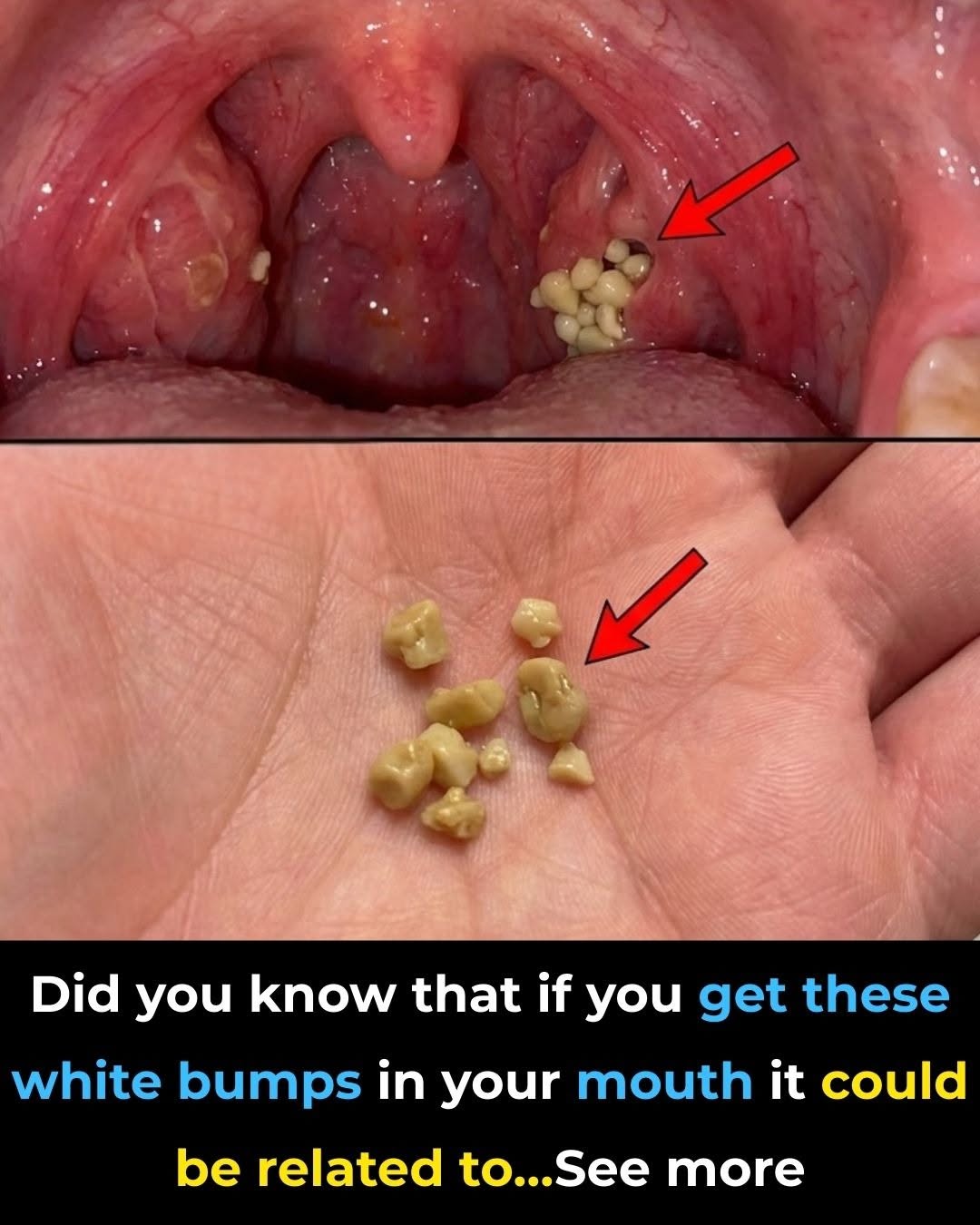
Tonsil Stones can create an oddly memorable experience. You cough or clear your throat, and suddenly a tiny white or yellow lump appears. It may smell unpleasant, even though you brush your teeth regularly. Alternatively, you might notice persistent bad breath, throat irritation, or the feeling that something small is stuck near your tonsils.
These deposits, medically called tonsilloliths, form in small folds and pockets of the tonsils. Although they can become irritating, they usually do not represent a serious medical problem.
Fortunately, simple habits can reduce symptoms and help some stones come loose naturally. However, aggressive digging can injure delicate tonsil tissue. Furthermore, no home technique can promise that tonsil stones will disappear forever while the tonsil crypts remain capable of collecting debris.
The goal, therefore, involves safe relief, sensible prevention, and knowing when persistent symptoms deserve professional attention.
The first time I saw a tonsil stone, I could hardly believe something so tiny could smell so unpleasant. I had noticed an occasional scratchy feeling in my throat and assumed dry air caused it. Then, after coughing one morning, a small pale lump appeared. My first instinct was to inspect my tonsils and immediately remove anything else I could find. However, learning how easily tonsil tissue can bleed changed that plan. Gentle gargling and better oral care made much more sense. The experience also taught me that recurrence does not automatically mean poor hygiene. Sometimes anatomy simply gives debris convenient places to collect.
Understanding Tonsil Stones and Why They Form
What Those White or Yellow Lumps Actually Are
Your tonsils contain natural pits, folds, and crevices called crypts. These irregular surfaces can collect material from the mouth and throat.
Consequently, Tonsil Stones can develop when debris becomes trapped within those spaces. The material may include dead cells, mucus, food particles, microorganisms, and other substances from the mouth.
Over time, the trapped material can become compacted and calcified.
Small tonsil stones often look white, cream, pale yellow, or grayish. Some remain tiny enough to escape notice, while others become large enough to see when you look at the tonsils.
However, not every white spot on a tonsil represents a stone.
Tonsillitis and other infections can produce white patches or discharge. Therefore, symptoms such as fever, substantial throat pain, difficulty swallowing, or feeling significantly unwell deserve more attention than an isolated, familiar-looking tonsil stone.
Tonsil stones themselves can produce several symptoms. Bad breath represents one of the most commonly reported complaints. Some people also notice an unpleasant taste, coughing, throat irritation, or the sensation of something sitting in the back of the throat.
Others experience no symptoms whatsoever.
In fact, someone may discover a stone only after coughing it out.
Why Some People Get Them Repeatedly
Anatomy plays an important role in recurring Tonsil Stones.
Some tonsils contain deeper or more numerous crypts than others. Naturally, deeper pockets provide more places where material can accumulate.
Previous or repeated tonsil inflammation may also affect the tonsil surface and its crypts. Meanwhile, mucus from the nose and sinuses can move down the back of the throat, adding material to the area.
Dry mouth may also reduce the mouth’s natural cleansing activity. Saliva normally helps move material through the mouth, so staying appropriately hydrated supports general oral health.
However, avoid blaming yourself when stones appear.
Excellent brushing does not physically eliminate the anatomy of tonsil crypts. Therefore, a person can maintain good dental hygiene and still develop them.
Similarly, claims that one particular food universally causes tonsil stones deserve caution. You may notice personal patterns, but individual observations do not prove that a specific food causes the condition in everyone.
Instead, focus on factors you can reasonably manage: oral hygiene, hydration, underlying dental issues, and persistent nasal or throat symptoms that may need evaluation.
Understanding that distinction makes prevention more realistic. You can reduce opportunities for debris and bacteria to accumulate, but you cannot guarantee that a crypt will never collect material again.
How to Manage Tonsil Stones Safely
Start With the Gentlest Options
When a visible Tonsil Stone becomes annoying, aggressive removal should not become your first response.
Instead, begin with simple measures.
Gargling warm salt water may help loosen material while also soothing minor throat irritation. You can also gargle after eating to help clear loose debris from the mouth and throat.
Normal coughing may dislodge a stone as well. In fact, many people discover tonsil stones only because one comes out while coughing.
Good oral hygiene also matters. Brush your teeth thoroughly twice daily with fluoride toothpaste, clean between your teeth, and clean your tongue gently. Although those habits cannot change tonsil anatomy, they help reduce oral debris and support overall dental health.
Additionally, drink enough fluids to avoid unnecessary dry mouth.
If a stone remains firmly embedded or you cannot reach it easily without gagging, scraping, or applying significant pressure, leave it alone and consider professional advice.
A clinician can examine the area and confirm that you are actually dealing with a tonsil stone rather than another throat problem.
This distinction becomes particularly important when the appearance changes or symptoms become more significant.
What You Should Never Do
The internet contains plenty of dramatic Tonsil Stones removal videos. However, the fact that someone can dig a stone out does not make the technique safe.
Never use sharp objects such as needles, pins, toothpicks, metal picks, or improvised tools on your tonsils.
Tonsil tissue can bleed when injured. Furthermore, repeatedly scraping the area can cause pain and irritation.
Avoid using your fingernails to dig deeply into crypts as well. Hands and fingernails can carry microorganisms, while excessive pressure can traumatize the tissue.
High-pressure water also deserves caution. A powerful stream directed at delicate throat tissue can cause injury. If you are considering an irrigation device, ask a healthcare professional whether it is appropriate and how to use it safely.
Likewise, avoid harsh chemical solutions or undiluted substances that can irritate or burn tissue.
If your tonsil starts bleeding after you attempt removal, stop manipulating it. Persistent or substantial bleeding requires medical attention.
The safest rule remains simple: if removing a stone requires force, pain, sharp instruments, or repeated digging, stop.
A stubborn stone creates an inconvenience. An injured tonsil creates an additional problem.
Preventing Tonsil Stones and Managing Recurrence
Daily Habits That May Help
No home routine guarantees permanent prevention of Tonsil Stones, but several habits may reduce the conditions that allow debris to accumulate.
Start with consistent oral hygiene.
Brush morning and night, clean between the teeth daily, and keep the tongue clean. Dental plaque, food particles, and bacteria naturally accumulate throughout the mouth, so reducing that material provides a sensible foundation.
Next, stay hydrated throughout the day.
Adequate fluid intake supports saliva production, while saliva contributes to the mouth’s natural cleaning processes.
If you regularly experience dry mouth despite drinking enough fluids, discuss it with a healthcare professional or dentist. Medications and medical conditions can contribute to persistent dryness.
Similarly, address ongoing dental problems rather than assuming bad breath comes exclusively from your tonsils. Gum disease, cavities, tongue coating, dry mouth, and several other conditions can contribute to unpleasant breath.
If you experience persistent nasal congestion, allergies, or postnasal drainage, appropriate medical evaluation may also help identify manageable contributing factors.
Finally, gargling after meals may help clear loose material before it settles into tonsil crypts.
These steps remain simple, but consistency matters more than aggressive cleaning.
Why Permanent Home Removal Isn’t Realistic
People understandably search for ways to eliminate Tonsil Stones forever. Unfortunately, that promise oversimplifies the problem.
If your tonsils contain crypts, those spaces can potentially collect material again after you remove an existing stone.
Therefore, removing today’s stone does not permanently change the underlying anatomy.
Some people experience stones only occasionally. Others develop them repeatedly despite careful oral hygiene.
When recurrent stones cause substantial symptoms, an ear, nose, and throat specialist can discuss medical options. Depending on the individual situation, the conversation may include procedures that address tonsil tissue or tonsil removal.
Tonsillectomy removes the tonsils themselves, so it also removes the tonsillar crypts where tonsil stones form. However, tonsillectomy involves surgery, recovery, pain, and potential complications. Consequently, doctors do not treat it as a casual home-prevention strategy.
A specialist can weigh symptom severity, frequency, medical history, and other factors before recommending an intervention.
For many people, occasional stones remain manageable with conservative care.
The realistic objective does not need to be “never see another stone.” Instead, aim to minimize recurrence, reduce discomfort and bad breath, and avoid injuring your tonsils while trying to remove harmless deposits.
Knowing When Tonsil Stones Need Medical Attention
Symptoms That Deserve an Examination
Typical small Tonsil Stones may create bad breath or mild irritation without making you seriously ill.
However, several symptoms should prompt professional evaluation.
Contact a healthcare professional if you experience persistent or severe throat pain, significant difficulty swallowing, recurring tonsil problems, or symptoms that do not improve.
Fever and pronounced illness may suggest an infection rather than a simple stone.
Additionally, seek evaluation when you cannot determine whether a white area represents a stone, pus, an ulcer, another lesion, or something else entirely.
Persistent one-sided symptoms also deserve attention. For example, a repeatedly enlarged tonsil, unexplained neck lump, persistent ear pain on one side, bleeding without an obvious injury, or a lesion that does not resolve should receive medical assessment.
Breathing difficulty requires urgent care.
Likewise, seek urgent help if throat swelling makes breathing difficult, swallowing becomes severely impaired, or other rapidly worsening symptoms appear.
Remember that seeing something white on a tonsil does not provide a diagnosis by itself.
A healthcare professional can examine the throat and determine whether infection, inflammation, a tonsil stone, or another condition better explains the symptoms.
When Bad Breath Doesn’t Improve
Bad breath can make Tonsil Stones particularly frustrating because the odor may persist despite regular brushing.
However, tonsil stones represent only one possible cause of halitosis.
Dental plaque, gum disease, tooth decay, tongue coating, dry mouth, tobacco use, and certain nose or throat conditions can also contribute.
Therefore, do not spend months aggressively cleaning your tonsils while ignoring the rest of your oral health.
Start with comprehensive dental hygiene and regular dental care. If bad breath continues, a dentist can check for common oral causes.
If your teeth and gums appear healthy but you repeatedly notice tonsil stones, throat discomfort, or other symptoms, discuss the issue with a medical professional.
Tracking recurrence can help. For example, note how frequently stones appear, whether they occur on one or both sides, and which symptoms accompany them.
That information gives a clinician a clearer picture than a single examination on a day when no stone happens to be visible.
Most importantly, persistent bad breath deserves practical investigation rather than embarrassment. It represents a common health complaint with many possible explanations.
Frequently Asked Questions
Are tonsil stones dangerous?
Small tonsil stones generally cause more annoyance than danger. They can contribute to bad breath, an unpleasant taste, coughing, or mild throat discomfort. However, significant pain, fever, trouble swallowing, breathing difficulty, or other unusual symptoms require medical assessment because another condition may be responsible.
Can I squeeze tonsil stones out?
Avoid forceful squeezing or digging. Tonsil tissue can become irritated or bleed. Gentle gargling provides a safer first approach. If a stone remains deeply embedded or causes recurring problems, consider professional evaluation.
Why do my tonsil stones keep coming back?
Your tonsil anatomy may contribute to recurrence. Deep crypts can repeatedly trap mucus, cells, food particles, and other debris. Removing one stone clears that deposit but does not remove the crypt where another can form.
Does mouthwash prevent tonsil stones?
Mouthwash may support oral hygiene and freshen breath, but no ordinary mouthwash can guarantee that tonsil stones will never return. Brushing, interdental cleaning, tongue cleaning, hydration, and appropriate dental care provide a more complete approach.
Can tonsil stones be permanently eliminated?
Removing the tonsils eliminates the tonsillar crypts where these stones develop, but tonsillectomy requires surgery and carries risks and recovery considerations. People with severe recurring symptoms should discuss appropriate options with an ear, nose, and throat specialist rather than seeking aggressive permanent fixes at home.
Conclusion
Tonsil Stones may look strange and smell unpleasant, but small stones often cause little more than inconvenience.
They develop when material collects within natural tonsil crypts and becomes compacted or calcified. Because those crypts can remain after a stone comes out, recurrence remains possible.
Fortunately, you can take sensible steps to manage the problem. Maintain good oral hygiene, stay adequately hydrated, gargle gently, and avoid aggressively digging into your tonsils.
Most importantly, resist the temptation to use sharp tools, harsh chemicals, or excessive pressure. Removing a harmless stone does not justify damaging delicate throat tissue.
If stones repeatedly cause substantial discomfort, persistent bad breath, swallowing problems, or other troublesome symptoms, a dentist, primary-care professional, or ear, nose, and throat specialist can help determine the next step.
And when symptoms include significant fever, severe pain, rapidly worsening swelling, substantial trouble swallowing, or breathing difficulty, seek prompt medical care rather than assuming a tonsil stone caused the problem.
Relief is realistic. A magical home method that guarantees tonsil stones will disappear forever is not.