Human papillomavirus, commonly known as HPV, is one of the most misunderstood infections in the world. Despite how common it is, conversations about HPV still create fear, shame, and confusion. Many people panic after learning that a partner has HPV, while others avoid getting tested or discussing sexual health because they fear judgment.
The truth is far less dramatic than most people imagine. HPV is extremely common, and most sexually active adults will come into contact with it at some point in their lives. In many cases, the body clears the virus naturally without symptoms or long-term problems. However, certain strains can lead to health complications if they persist for years without detection or treatment.
Understanding the facts about HPV can help reduce fear and encourage healthier decisions. Instead of relying on rumors or internet myths, it is important to learn how HPV spreads, what the actual risks are, and how people can protect themselves and their partners.
A few years ago, a close friend received a call after a routine medical screening. She had tested positive for HPV and immediately assumed the worst. She worried about cancer, relationships, and what others might think. After speaking with her doctor, she realized how common HPV truly is and learned that most cases resolve naturally. What affected her most was not the virus itself but the emotional stress and stigma surrounding it. That experience changed the way she viewed sexual health conversations. Instead of hiding in embarrassment, she began encouraging honest discussions with friends and partners. Her story reflects what millions of people experience every year.
Understanding What HPV Really Is
HPV Is Extremely Common
HPV is not a single virus. It is actually a group of more than 200 related viruses that affect the skin and mucous membranes of the body. Some strains are considered low risk, while others are classified as high risk because they may contribute to cancer over time.
Many people become infected shortly after becoming sexually active. Because HPV often causes no symptoms, most people never realize they carry it. This silent nature is one reason the virus spreads so easily among adults.
Unlike infections that spread mainly through bodily fluids, HPV spreads through intimate skin-to-skin contact. That means penetration is not always required for transmission. Even brief intimate contact can expose someone to the virus.
The encouraging news is that the immune system successfully clears most HPV infections within one to two years. For many people, HPV comes and goes without creating any health issues at all.
Low-Risk and High-Risk Strains
Not all HPV strains behave the same way. Some cause harmless skin growths, while others may create changes in cells over many years.
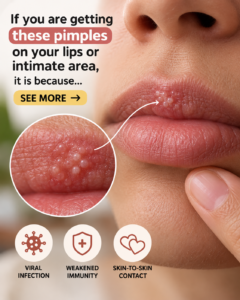
Low-risk strains, especially HPV types 6 and 11, commonly cause genital warts. These growths can appear around the genital or anal area and may vary in size and appearance. Although they can cause emotional distress or discomfort, they are not cancerous.
High-risk strains are more concerning because persistent infections can increase the risk of cancers such as:
- Cervical cancer
- Anal cancer
- Penile cancer
- Vulvar cancer
- Vaginal cancer
- Throat and tonsil cancers
Even with high-risk strains, cancer usually develops slowly over many years. Regular screenings and early detection make treatment highly effective in most cases.
How HPV Spreads Between Partners
Transmission Often Happens Without Symptoms
One of the biggest misconceptions about HPV is that someone must have visible symptoms to spread the virus. In reality, most people who transmit HPV have no signs at all.
A person can carry HPV without knowing it because:
- They never develop symptoms
- Their immune system suppresses the virus
- The infection remains dormant
- Symptoms may appear years later
This makes it difficult to determine exactly when or from whom HPV was contracted. Testing positive for HPV does not necessarily mean a current partner was unfaithful or recently infected.
HPV can spread through:
- Vaginal sex
- Anal sex
- Oral sex
- Genital-to-genital contact
- Sharing intimate devices
Because the virus lives on the skin, transmission can happen even when condoms are used consistently.
Condoms Help but Do Not Eliminate Risk
Condoms are still extremely important for sexual health. They reduce exposure to HPV and help protect against many other sexually transmitted infections. However, condoms do not fully cover all skin areas where HPV may exist.
This means condoms reduce the risk but cannot completely prevent HPV transmission.
Even so, safer sex practices remain valuable because they:
- Lower overall viral exposure
- Reduce the likelihood of other infections
- Encourage communication between partners
- Support healthier relationships
Vaccination combined with safer sex practices offers the strongest protection against the most dangerous HPV strains.
What Can Happen After Exposure to HPV
Most People Experience No Serious Problems
The most common outcome after exposure is actually very uneventful. The immune system recognizes the virus and gradually clears it naturally.
Many people:
- Never develop symptoms
- Never require treatment
- Never experience complications
- Never know they had HPV
This reality often surprises people because internet discussions tend to focus only on worst-case scenarios.
A healthy immune system plays a major role in how the body handles HPV. Factors such as smoking, chronic stress, poor nutrition, or weakened immunity may make it harder for the body to clear persistent infections.
For most adults, however, HPV becomes a temporary part of their immune history rather than a life-changing medical problem.
Genital Warts and Persistent Infections
Some low-risk strains can lead to genital warts. These small growths may appear weeks, months, or even years after exposure. They may be flat, raised, clustered, or flesh-colored.
Although genital warts are not dangerous, they can create emotional stress, embarrassment, or anxiety in relationships.
Doctors may treat warts using:
- Prescription creams
- Cryotherapy (freezing)
- Laser therapy
- Surgical removal
Treatment removes visible warts but may not eliminate the virus immediately.
Persistent high-risk HPV infections are more medically significant. When certain strains remain active in the body for many years, they can slowly alter normal cells.
This is why regular screenings are so important, especially for women. Pap smears and HPV tests can detect abnormal cells early, often long before cancer develops.
Early treatment greatly improves outcomes and may completely prevent cancer from forming.
HPV and Its Impact on Men and Women
Women Often Receive More Screening
HPV discussions frequently focus on women because high-risk HPV is the leading cause of cervical cancer. Regular Pap tests have dramatically reduced cervical cancer deaths by identifying abnormal cells before they become dangerous.
Women may undergo:
- Pap smears
- HPV testing
- Colposcopy exams
- Follow-up monitoring
These screenings save lives because cellular changes can be treated early.
However, many women feel emotional distress after receiving a positive HPV result. Some fear judgment from partners or assume they did something wrong. In reality, HPV positivity is extremely common and does not reflect personal worth or morality.
Healthcare providers now emphasize education and support because fear often creates more suffering than the infection itself.
Men Are Affected Too
Men are often overlooked in HPV conversations, yet they can both transmit and experience complications from the virus.
High-risk HPV strains may contribute to:
- Penile cancer
- Anal cancer
- Oropharyngeal cancer
Throat cancers related to HPV have increased significantly in recent years, especially among men.
Unlike women, men do not currently have a widely approved routine HPV screening test. As a result, many infections remain unnoticed.
Men should still monitor their health and seek medical advice if they notice:
- Unusual bumps
- Persistent sores
- Changes in the genital area
- Ongoing throat symptoms
Vaccination is also highly beneficial for men because it lowers cancer risk and helps reduce overall transmission.
Emotional and Relationship Consequences
The Psychological Impact of HPV
The emotional consequences of HPV can sometimes feel heavier than the physical effects. Many people experience anxiety, guilt, shame, or fear after diagnosis.
Common worries include:
- Fear of rejection
- Fear of cancer
- Concerns about future relationships
- Anxiety about disclosure
- Embarrassment
Unfortunately, misinformation often increases these fears.
Because HPV is sexually transmitted, people sometimes associate it with moral judgment. However, HPV is a medical condition, not a reflection of character.
Open conversations with healthcare providers and supportive partners can dramatically reduce emotional stress.
Education helps people understand that HPV is:
- Extremely common
- Usually manageable
- Often temporary
- Not a sign of promiscuity
Removing stigma allows people to focus on prevention and care instead of shame.
Talking to Partners About HPV
Many people struggle with how to discuss HPV in relationships. Honesty can feel uncomfortable, but communication builds trust and supports healthier choices.
Helpful conversation tips include:
- Choose a calm and private setting
- Share factual information
- Avoid blame or accusations
- Discuss vaccination and protection
- Encourage mutual testing and healthcare visits
Most adults have likely encountered HPV already, whether they know it or not. Framing the discussion calmly and factually often reduces fear for both partners.
Healthy relationships are built on transparency, compassion, and shared responsibility.
Protecting Yourself Against HPV
Vaccination Is One of the Best Tools
The HPV vaccine has transformed prevention efforts worldwide. Vaccines such as Gardasil 9 protect against several high-risk and low-risk strains linked to cancers and genital warts.
Health experts recommend vaccination for:
- Preteens around ages 11–12
- Teenagers
- Young adults
- Some adults up to age 45
Even people who are already sexually active may still benefit because the vaccine protects against multiple strains.
Research continues to show that HPV vaccination significantly reduces rates of cervical cancer and other HPV-related diseases.
Screening and Healthy Habits Matter
Vaccination works best when combined with regular healthcare and safer sex practices.
Important prevention strategies include:
- Routine Pap smears
- HPV testing when recommended
- Condom use
- Open communication
- Smoking cessation
- Healthy immune support
Strong immune health may improve the body’s ability to clear infections naturally.
People should also avoid panic after an HPV diagnosis. Most infections resolve without serious consequences, especially when monitored appropriately.
Common Myths About HPV
Myth: HPV Means Someone Cheated
Because HPV can remain dormant for years, a positive test does not reveal when the infection occurred. Someone may carry HPV long before entering a current relationship.
This makes assumptions about infidelity unreliable and often harmful.
Myth: Only Women Need to Worry
HPV affects all genders. Men can carry, spread, and develop complications from HPV as well.
Myth: HPV Always Causes Cancer
Most HPV infections never lead to cancer. Persistent high-risk infections increase risk, but regular screening greatly improves prevention.
Myth: You Would Know If You Had HPV
Most people have no symptoms at all. This silent nature explains why HPV spreads so widely.
Myth: HPV Is Rare
HPV is actually one of the most common sexually transmitted infections globally.
Frequently Asked Questions
Can you get HPV from one sexual encounter?
Yes. HPV can spread during a single intimate encounter because it transmits through skin-to-skin contact.
Does HPV go away completely?
In many cases, the immune system suppresses or clears the virus naturally within one to two years.
Can condoms fully prevent HPV?
Condoms reduce risk significantly but cannot fully eliminate it because HPV can infect uncovered skin.
Should someone with HPV avoid relationships?
No. HPV is manageable, extremely common, and should not prevent healthy relationships or intimacy.
Is the HPV vaccine still useful for adults?
Yes. Many adults up to age 45 may still benefit from vaccination depending on their health history and risk factors.
Conclusion
Sleeping with someone who has HPV does not automatically mean severe illness or lifelong consequences. In fact, most HPV infections are temporary and harmless. The body often clears the virus naturally without symptoms or complications.
At the same time, understanding HPV remains important because certain high-risk strains can lead to serious health problems if left undetected for years. Vaccination, regular screenings, safer sex practices, and honest communication all play critical roles in prevention and early treatment.
Perhaps the most important lesson is this: HPV should not be treated as a source of shame. It is a common medical condition that affects millions of people across every age group, background, and relationship status.
Fear and silence only increase stigma. Education, compassion, and responsible healthcare choices create safer and healthier communities for everyone.
More Home Remedies
- Wrinkled Fingers After Water Exposure: What Your Skin May Be Telling You
- Skin Rash With Breathing Trouble? It Could Be a Life-Threatening Allergic Reaction
- I Thought It Was a Piece of Trash on the Bathroom Floor—Until It Moved
- If You Are Getting White Pimples on Your Lips or Intimate Area, Here’s What They Could Mean