Sleep plays a major role in physical health, mental clarity, digestion, circulation, and energy levels. While many people focus on getting enough hours of rest, few think about how their sleeping position affects the body throughout the night. The side you sleep on may influence everything from acid reflux to breathing comfort and muscle tension.
Many people naturally sleep on their right side because it feels comfortable and relaxing. However, questions often arise about whether this position can create health problems over time. Some experts suggest that sleeping on the left side may support digestion and reduce nighttime acid reflux, while others believe the best sleeping position depends entirely on the individual.
Understanding the possible effects of sleeping on your right side can help you improve sleep quality and reduce discomfort. Although right-side sleeping is not automatically dangerous, certain people may experience symptoms linked to digestion, circulation, or pressure on the joints. Learning how sleeping posture affects the body allows you to make healthier nighttime habits without unnecessary fear.
A few years ago, after several weeks of waking up with shoulder soreness and occasional heartburn, a change in sleeping habits made a surprising difference. Sleeping on the right side had always felt natural, but switching positions during the night gradually improved comfort and reduced morning stiffness. The experience showed how small bedtime adjustments can affect overall well-being. Since then, paying attention to sleep posture has become just as important as choosing the right mattress or pillow.
Why Sleeping Position Matters More Than Most People Think
People spend roughly one-third of their lives sleeping. During that time, the body remains in relatively fixed positions for hours, affecting muscles, joints, breathing patterns, and internal organs.
Sleep Position Influences Body Alignment
Proper body alignment during sleep helps reduce strain on the spine, neck, hips, and shoulders. When the body stays supported, muscles can relax more effectively overnight.
An uncomfortable sleeping position may lead to:
- Neck stiffness
- Shoulder pain
- Lower back discomfort
- Numbness in the arms
- Restless sleep
Side sleeping is extremely common because many people find it comfortable and calming. However, sleeping on one side consistently can place uneven pressure on certain areas of the body.
People who sleep on the right side may notice soreness in the shoulder or hip due to prolonged pressure during the night. A supportive pillow and mattress can often help reduce this issue.
Sleeping Position Also Affects Internal Processes
The body continues important internal functions during sleep, including digestion, circulation, and breathing. Because organs shift slightly depending on posture, sleeping position may influence how efficiently these systems work.
Some people notice:
- Increased acid reflux
- Better digestion
- Easier breathing
- Reduced snoring
- Improved circulation
These effects vary from person to person. What feels uncomfortable for one individual may feel perfectly normal for another.
Understanding Right-Side Sleeping and Digestion
One of the most discussed concerns about sleeping on the right side involves digestion and acid reflux.
Why Some Experts Prefer Left-Side Sleeping
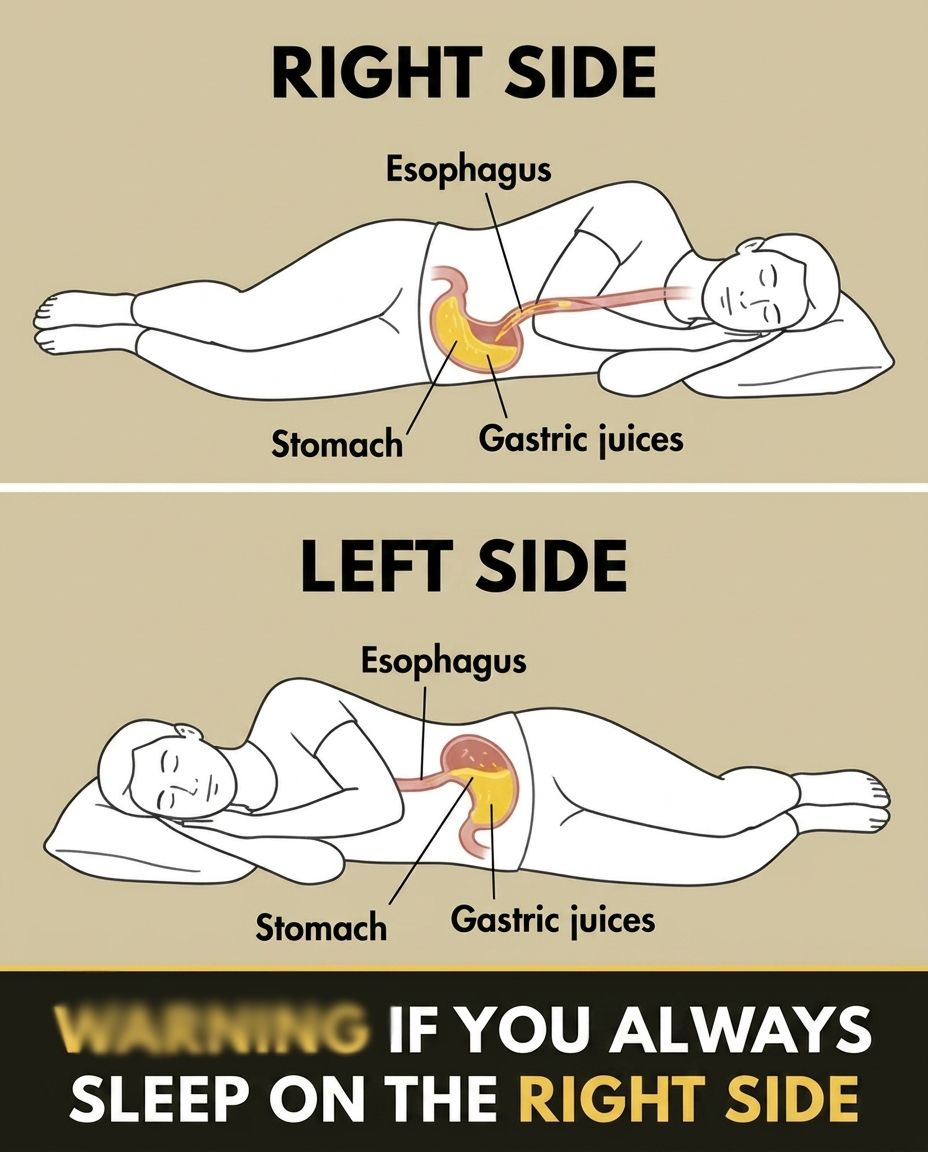
The stomach naturally sits slightly toward the left side of the body. Because of this positioning, some researchers believe sleeping on the left side may help keep stomach acid lower than the esophagus.
When lying on the right side, stomach contents may shift in a way that allows acid to move upward more easily in certain individuals.
This may contribute to:
- Heartburn
- Acid reflux
- Indigestion
- A sour taste in the mouth
- Nighttime coughing
People with gastroesophageal reflux disease (GERD) often report fewer symptoms when sleeping on the left side instead of the right.
Right-Side Sleeping Does Not Harm Everyone
Despite these concerns, millions of people sleep comfortably on their right side without digestive problems. The body responds differently depending on:
- Diet
- Meal timing
- Weight
- Existing digestive conditions
- Mattress support
- Sleep habits
For many individuals, sleeping position alone does not cause reflux. Eating heavy meals late at night often plays a larger role.
Simple adjustments may help reduce symptoms:
- Avoid eating two to three hours before bed
- Elevate the head slightly
- Limit spicy or acidic foods before sleep
- Maintain a healthy weight
These habits may improve digestion regardless of sleep position.
Pressure on the Shoulder, Arm, and Hip
Sleeping on one side for long periods naturally places weight on specific joints and muscles.
Shoulder Compression Can Cause Discomfort
People who sleep on their right side may occasionally wake up with:
- Shoulder soreness
- Arm numbness
- Tingling fingers
- Stiffness
This happens because body weight compresses nerves and blood vessels around the shoulder area during sleep.
A mattress that is too firm may increase pressure, while one that is too soft may fail to support proper alignment.
Using a supportive pillow between the knees and another under the neck can improve body positioning and reduce strain.
Hip and Back Alignment Also Matter
The hips and lower back may become misaligned during side sleeping, especially if the spine twists overnight.
Poor alignment may contribute to:
- Lower back pain
- Hip tightness
- Sciatica discomfort
- Muscle stiffness
Placing a pillow between the knees often helps keep the spine in a more neutral position.
Regular stretching and changing sleep positions during the night can also help relieve pressure buildup.
Breathing, Snoring, and Sleep Quality
Sleeping posture can significantly affect breathing patterns during the night.
Side Sleeping Often Improves Airflow
Compared to sleeping flat on the back, side sleeping may reduce airway obstruction. Many people who snore notice improvement when sleeping on either side instead of their back.
Benefits may include:
- Reduced snoring
- Easier breathing
- Fewer sleep interruptions
- Better oxygen flow
For people with mild sleep apnea, side sleeping may sometimes improve symptoms.
Does the Right Side Affect Breathing Differently?
Research on whether the right side specifically affects breathing remains mixed. Most experts agree that side sleeping generally supports better airflow than back sleeping.
However, some individuals with certain heart or lung conditions may feel more comfortable on one side than the other.
Pregnant women, for example, are often encouraged to sleep on the left side because it may improve blood flow to the placenta and reduce pressure on major blood vessels.
Still, comfort and sleep quality remain important. Constantly forcing an uncomfortable position may lead to poor rest and repeated waking during the night.
Acid Reflux and GERD During Sleep
One of the strongest arguments against right-side sleeping relates to acid reflux symptoms.
Why Acid Reflux May Feel Worse
When stomach acid flows upward into the esophagus, it creates burning discomfort known as heartburn.
Right-side sleeping may allow acid to remain closer to the esophagus in some individuals, increasing symptoms overnight.
Common reflux symptoms include:
- Burning in the chest
- Bitter taste in the mouth
- Nighttime coughing
- Hoarseness
- Difficulty swallowing
People with chronic reflux often notice symptoms become worse after:
- Large meals
- Alcohol
- Fatty foods
- Caffeine
- Lying down immediately after eating
Helpful Sleep Adjustments
Rather than focusing only on sleep side, combining multiple habits often produces better results.
Helpful changes may include:
- Sleeping with the upper body elevated
- Using a wedge pillow
- Eating smaller evening meals
- Avoiding smoking
- Reducing nighttime snacks
These strategies may improve sleep comfort significantly.
Is Left-Side Sleeping Better for Everyone?
Although many articles praise left-side sleeping, it is not automatically the perfect position for everyone.
Comfort Plays a Major Role
The best sleep position is often the one that allows:
- Deep sleep
- Minimal pain
- Easy breathing
- Relaxed muscles
Some people simply feel more secure or comfortable on the right side. Others naturally shift positions throughout the night without noticing.
Forcing an uncomfortable position may:
- Increase stress
- Interrupt sleep
- Cause muscle tension
- Lead to insomnia
Good sleep quality is more important than obsessing over one “perfect” posture.
Certain Conditions May Benefit From Left-Side Sleeping
Still, left-side sleeping may help people with:
- Acid reflux
- Pregnancy discomfort
- Certain digestive issues
Because the stomach sits slightly leftward, this position may reduce acid movement toward the esophagus.
Pregnant women in later pregnancy stages may also experience improved circulation while sleeping on the left side.
Sleeping on Your Back and Stomach
Every sleep position has advantages and disadvantages.
Back Sleeping
Sleeping on the back may support spinal alignment if proper neck support is used.
Benefits may include:
- Reduced facial pressure
- Even weight distribution
- Lower joint pressure
However, back sleeping can worsen:
- Snoring
- Sleep apnea
- Acid reflux
Stomach Sleeping
Stomach sleeping is generally considered less supportive because it twists the neck and flattens the spine.
Potential problems include:
- Neck pain
- Lower back strain
- Nerve pressure
Many stomach sleepers eventually develop stiffness or discomfort over time.
How to Improve Sleep Comfort Regardless of Position
Instead of worrying excessively about the “wrong” side, focusing on overall sleep habits often provides better results.
Choose Supportive Bedding
A quality mattress and pillow can dramatically improve comfort.
Look for:
- Neck support
- Proper spinal alignment
- Pressure relief
- Comfortable firmness
Replacing worn-out pillows may reduce shoulder and neck pain.
Build Better Sleep Habits
Healthy sleep habits may improve rest more than changing positions alone.
Helpful habits include:
- Keeping a regular sleep schedule
- Limiting screen time before bed
- Avoiding heavy meals late at night
- Creating a cool sleeping environment
- Reducing caffeine in the evening
These routines support deeper and more restorative sleep.
Signs Your Sleep Position May Be Causing Problems
Your body often gives clues when sleep posture is affecting comfort or health.
Watch for These Symptoms
You may want to adjust your sleeping habits if you regularly experience:
- Morning heartburn
- Shoulder pain
- Arm numbness
- Frequent waking
- Neck stiffness
- Hip discomfort
- Poor sleep quality
Tracking symptoms over several weeks may help identify patterns.
When to Speak With a Doctor
Persistent sleep problems should not be ignored.
Seek medical advice if you experience:
- Severe acid reflux
- Chronic insomnia
- Loud snoring
- Breathing pauses during sleep
- Ongoing pain
- Extreme daytime fatigue
A healthcare professional can help determine whether sleep posture, sleep apnea, reflux, or another condition is contributing to symptoms.
Frequently Asked Questions
Is sleeping on the right side dangerous?
No. Sleeping on the right side is generally safe for most people. However, some individuals may experience acid reflux or shoulder discomfort.
Why does left-side sleeping help reflux?
The stomach naturally sits toward the left side, which may help reduce acid flow into the esophagus during sleep.
Can sleeping position affect heart health?
Sleeping position may influence circulation and comfort, but there is no universal “perfect” side for heart health in healthy individuals.
Which sleeping position is best overall?
The best position depends on comfort, breathing, spinal alignment, and individual health conditions.
Should I force myself to sleep on the left side?
Not necessarily. If right-side sleeping feels comfortable and does not cause symptoms, there may be no reason to change.
Conclusion
Sleeping on the right side is not automatically harmful, but it may contribute to certain issues in some individuals, especially acid reflux, shoulder pressure, or nighttime discomfort. At the same time, many people sleep comfortably on their right side without any problems at all.
The most important factor is how your body feels. Sleep quality, comfort, breathing, and pain levels matter far more than following strict sleep-position rules.
Making small adjustments such as improving posture, choosing supportive bedding, avoiding late meals, and paying attention to symptoms can greatly improve rest and overall well-being.
Understanding how sleep position affects the body allows you to make informed decisions and create healthier nighttime habits that support better sleep every night.
More Home Remedies
- Wrinkled Fingers After Water Exposure: What Your Skin May Be Telling You
- Skin Rash With Breathing Trouble? It Could Be a Life-Threatening Allergic Reaction
- I Thought It Was a Piece of Trash on the Bathroom Floor—Until It Moved
- If You Are Getting White Pimples on Your Lips or Intimate Area, Here’s What They Could Mean