Preparing your home before a vacation usually involves a familiar checklist. You lock the doors, unplug unnecessary electronics, adjust the thermostat, take out the trash, and double-check that the windows are secure.
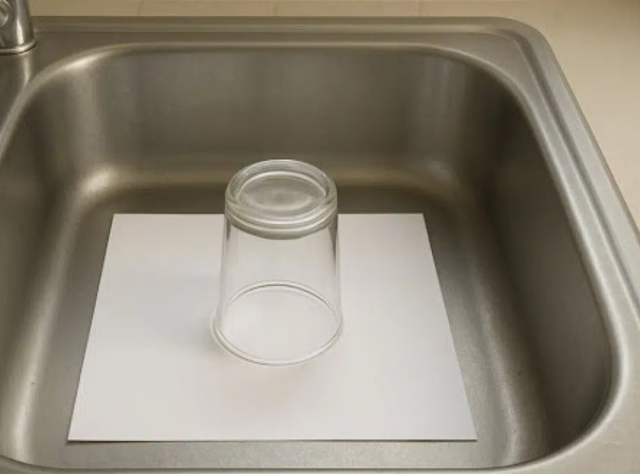
Recently, however, another travel tip has been making the rounds online. According to countless social media posts, placing a sheet of paper over your sink drain and covering it with an upside-down glass before leaving home can prevent unpleasant sewer odors and even stop insects from entering your house.
It sounds clever, inexpensive, and easy enough to try.
But does it actually work?
The idea behind the hack is based on a real plumbing principle. However, the viral method itself isn’t the most reliable solution. Understanding how your home’s plumbing system works can help you protect your drains far more effectively during extended trips.
Let’s look at the science behind the tip—and the methods plumbing professionals often recommend instead.
Why Sink Drains Can Smell After a Long Vacation
Every drain in your home connects to a plumbing component known as a P-trap.
This curved section of pipe sits beneath sinks, showers, bathtubs, and many floor drains.
Although it may seem like an ordinary bend in the pipe, it performs one of the most important jobs in your plumbing system.
The Purpose of the P-Trap
Whenever you use a sink, a small amount of water remains inside the curved portion of the pipe.
That water creates a natural seal.
This seal prevents:
- Sewer gases from entering your home.
- Unpleasant odors.
- Methane and other sewer gases.
- Small insects, including drain flies, from traveling through the plumbing.
As long as water remains inside the trap, your home stays protected.
What Happens When You’re Away for Weeks?
The problem begins when a drain isn’t used for an extended period.
Over time, the water inside the P-trap slowly evaporates.
If enough water disappears, the protective seal weakens or disappears completely.
When that happens, sewer odors may travel into your home through the drain.
In some situations, insects can also enter through the plumbing system.
This is why vacation preparation sometimes includes protecting drains that won’t be used for several weeks.
Does the Paper and Upside-Down Glass Trick Work?
The viral trick attempts to create a temporary barrier over the drain opening.
While the idea seems reasonable, it has several important weaknesses.
Paper Doesn’t Stay Dry
If any moisture remains around the drain, paper towels or tissues quickly absorb water.
As they become wet, they may tear, wrinkle, or even fall into the drain.
Instead of preventing problems, soggy paper can create additional mess.
The Seal Isn’t Truly Airtight
A drinking glass resting on top of a sink doesn’t create a perfect seal.
Tiny gaps remain around the rim, allowing air—and potentially odors—to pass through.
For short periods this may not matter, but it isn’t considered a dependable long-term solution.
It Can Easily Be Moved
A slight bump while packing, cleaning, or using the sink before leaving can shift the glass enough to break the seal entirely.
If that happens, the drain remains unprotected without anyone realizing it.
Better Ways to Protect Your Drains
Fortunately, there are several methods that are both simple and more reliable.
Option 1: Use Mineral Oil
Many plumbing professionals recommend pouring a small amount of mineral oil into drains that won’t be used for several weeks.
Here’s why it works.
Oil floats on top of the water already sitting inside the P-trap.
Because oil evaporates much more slowly than water, it forms a protective layer that greatly slows evaporation underneath.
For most household sinks, about ¼ cup (60 mL) of mineral oil is usually sufficient.
When you return home and run the water, the oil simply washes through the plumbing.
Option 2: Cover the Drain With Plastic Wrap
If mineral oil isn’t available, tightly sealing the drain opening with plastic wrap can help reduce airflow.
Before applying it:
- Make sure the sink is dry.
- Press the plastic tightly around the drain opening.
- Remove it when you return home.
Although not perfect, it generally provides a better seal than paper covered with a drinking glass.
Option 3: Close the Drain Stopper
Sometimes the simplest solution is already built into your sink.
If your sink has a rubber or mechanical stopper, closing it before leaving can help reduce evaporation while also limiting odors and insects from entering through the drain opening.
Although it doesn’t stop evaporation entirely, it can slow the process significantly.
How Long Does It Take for a P-Trap to Dry Out?
Fortunately, evaporation is usually slow.
For most homes:
- Weekend trips are generally not a concern.
- Vacations lasting one to two weeks rarely create problems.
- Longer absences—especially during hot, dry weather—may increase the likelihood of evaporation.
Several factors influence how quickly water disappears, including:
- Indoor temperature.
- Humidity levels.
- Air conditioning.
- Heating systems.
- How frequently the drain is normally used.
Rarely used drains often dry out much faster than kitchen or bathroom sinks that receive daily use.
Which Drains Need the Most Attention?
Not every drain in your home is equally likely to develop problems while you’re away.
Some fixtures are used every day, while others may go weeks or even months without running water.
Here’s where you should pay the closest attention before leaving on an extended trip.
Kitchen Sink
Because it’s usually the last sink used before leaving, the kitchen drain generally retains plenty of water.
If you’ll be away for several weeks, adding a small amount of mineral oil offers extra protection.
Guest Bathroom
Guest bathrooms often sit unused for long periods.
Without regular water flowing through the drain, the P-trap can dry out more quickly.
These sinks and showers are excellent candidates for mineral oil or another evaporation-reducing method.
Basement Floor Drains
Floor drains located in basements, utility rooms, or garages often go unnoticed because they’re rarely used.
Unfortunately, they’re also among the first drains to lose their water seal.
Pouring one or two cups of mineral oil into these drains before an extended trip can help slow evaporation significantly.
Laundry Room Drains
Some laundry rooms include floor drains or standpipes that also remain unused for long periods.
Checking these before traveling can help prevent unpleasant odors when you return.
Mistakes to Avoid
While preparing your home for vacation, there are a few common mistakes worth avoiding.
Don’t Use Cooking Oils
Olive oil, vegetable oil, and similar cooking oils are not recommended.
Over time they can:
- Become rancid.
- Produce unpleasant odors.
- Leave sticky residue inside pipes.
- Contribute to plumbing blockages.
Mineral oil remains the preferred option because it is stable and does not spoil.
Don’t Forget Rarely Used Fixtures
People often remember kitchen sinks but overlook:
- Basement drains.
- Guest bathrooms.
- Utility sinks.
- Garage floor drains.
These are usually the fixtures most likely to lose their water seal.
Don’t Ignore Existing Plumbing Problems
If you’ve already noticed sewer odors before your trip, covering the drain won’t solve the underlying issue.
Persistent smells may indicate:
- A dry P-trap.
- A damaged drain seal.
- Plumbing vent problems.
- A broken toilet wax ring.
If odors continue after running water through the drains, a plumber should inspect the system.
Frequently Asked Questions
Can I use baby oil instead of mineral oil?
Yes.
Many baby oils are primarily made from mineral oil and can work similarly for this purpose.
Always check the label if you’re unsure.
Will mineral oil damage my plumbing?
No.
Small amounts used for protecting drain traps are generally considered safe for standard residential plumbing and septic systems.
Once normal water use resumes, the oil simply moves through the system.
Should I protect the toilet too?
Usually not.
Toilets contain a much larger built-in water trap than sinks.
For most vacations, the water inside the bowl remains sufficient to maintain the seal.
If you’ll be away for an exceptionally long time, some homeowners add a small amount of mineral oil to the toilet bowl to reduce evaporation.
I came home and smell sewer gas. What should I do?
Start by running water through every sink, shower, tub, and floor drain.
If the odor disappears, a dry P-trap was likely the cause.
If the smell continues after restoring the water seals, it’s a good idea to contact a licensed plumber to investigate further.
Is this necessary for a one-week vacation?
In most homes, no.
The water inside P-traps typically remains in place for at least a couple of weeks.
Extra precautions become more helpful for longer trips or in particularly hot, dry environments.
A Simple Vacation Plumbing Checklist
Before leaving home for an extended period, consider these quick steps:
- Run water through every sink and shower.
- Pour a small amount of mineral oil into rarely used drains.
- Empty household trash.
- Turn off unnecessary appliances.
- Adjust your thermostat if appropriate.
- Lock doors and windows.
- Ask a trusted neighbor to check on your home if possible.
Taking a few extra minutes before departure can help you return to a fresher, more comfortable home.
Final Thoughts
The viral upside-down glass trick is based on a real plumbing concept, but it isn’t the most dependable way to protect your home while you’re away.
The real key lies in understanding how your plumbing works. Every sink, shower, and floor drain relies on the water inside its P-trap to block sewer gases and unwanted odors. During extended absences, that water can slowly evaporate, particularly in drains that aren’t used regularly.
Fortunately, preventing the problem is simple. Running water through drains before you leave, protecting rarely used fixtures with a small amount of mineral oil, or using other practical methods recommended by plumbing professionals can help preserve the water seal and reduce the chance of unpleasant surprises when you return.
A little preparation before vacation can go a long way. By giving your plumbing just a few minutes of attention before you head out the door, you’ll have one less thing to worry about—and a much more pleasant welcome home after your trip ends.
More Creative Crafts
- The Quiet Language of a Yellow Ribbon: What It Means When You See One on a Dog
- Finding Head Lice in a Loved One’s Hair: What It Means and the Best Way to Handle It
- Can the Shape of Your Legs Reveal Your Personality? Separating Myth From Reality
- What Does the Last Digit of Your Birth Year Say About You? A Gentle Guide to Self-Reflection and Life’s Beautiful Numbers