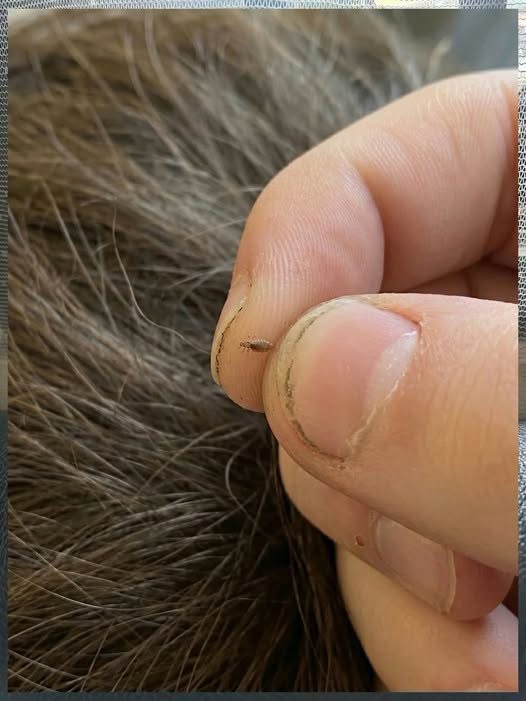
Discovering a tiny insect crawling through your partner’s hair can be an unsettling experience. Your first reaction might be surprise, concern, or even embarrassment. However, finding head lice is much more common than many people realize, and it has nothing to do with poor hygiene or a lack of cleanliness.
Head lice are tiny parasitic insects that survive by feeding on small amounts of blood from the scalp. They spread primarily through direct head-to-head contact and can affect people of any age, lifestyle, or background. While they can be frustrating, they are not considered dangerous and do not reflect someone’s personal habits.
Understanding how lice spread and knowing what steps to take can help you manage the situation calmly and effectively.
What Are Head Lice?
Head lice are small, wingless insects that live close to the scalp. Adult lice are about the size of a sesame seed and are usually grayish or tan in color. Because they move quickly and avoid light, they can be difficult to spot.
Female lice lay tiny eggs called nits, which attach firmly to individual hair strands close to the scalp. These eggs hatch in about a week, allowing the life cycle to continue if treatment is delayed.
Although lice survive by feeding on human blood, they do not transmit serious diseases.
How Do People Get Head Lice?
Many people mistakenly believe lice are linked to dirty hair or poor hygiene. In reality, lice simply look for a human scalp where they can survive.
The most common ways they spread include:
- Head-to-head contact
- Sharing hats or helmets
- Sharing hairbrushes or combs
- Sharing scarves or hooded clothing
- Close contact during sports or family activities
Because lice crawl rather than jump or fly, direct contact remains the primary method of transmission.
Common Signs of Head Lice
Not everyone notices lice immediately. Some people experience symptoms within days, while others may not notice anything for several weeks.
Common signs include:
Persistent Itching
The most recognizable symptom is itching caused by the body’s reaction to louse bites.
A Tickling Sensation
Some people describe feeling as though something is moving through their hair.
Small Red Bumps
Repeated scratching may lead to small irritated areas on the scalp or neck.
Visible Nits
Tiny white or yellowish eggs attached firmly to the hair near the scalp are often easier to see than the insects themselves.
Live Lice
Adult lice may occasionally be seen moving near the scalp, especially behind the ears or around the neckline.
Stay Calm if You Find One
Finding a louse can be upsetting, but panic doesn’t help.
Instead:
- Confirm what you’ve found.
- Check the scalp carefully under bright lighting.
- Examine other household members if appropriate.
- Begin treatment promptly.
Most infestations can be successfully treated at home using recommended lice treatments and careful combing.
Effective Treatment Options
Modern treatments focus on eliminating both live lice and newly hatched insects.
Common approaches include:
Medicated Lice Treatments
Over-the-counter products are widely available and are often effective when used exactly as directed.
Fine-Tooth Lice Combs
Wet combing with a specialized lice comb helps remove both insects and eggs.
Many families repeat combing every few days until no additional lice are found.
Follow-Up Treatment
Because some eggs may survive the first application, many products recommend a second treatment about one week later.
Following the instructions carefully improves success.
Cleaning Your Home
Fortunately, lice cannot survive very long away from the human scalp.
Simple cleaning measures are usually enough.
Wash recently used:
- Pillowcases
- Sheets
- Towels
- Hats
- Hair accessories
Items that cannot be washed can be sealed in a plastic bag for several days.
Vacuuming upholstered furniture and carpets where the affected person recently rested may also be helpful.
Extensive deep cleaning or insecticide sprays inside the home are generally unnecessary.
Preventing Future Infestations
Although no method guarantees complete prevention, several habits may reduce the chance of lice spreading.
These include:
- Avoid sharing brushes and combs.
- Avoid sharing hats and helmets.
- Tie long hair back during close-contact activities.
- Perform regular scalp checks if lice have recently been identified in the household.
- Encourage children to avoid prolonged head-to-head contact during play.
Early detection often makes treatment easier.
Separating Facts from Myths
Many misconceptions about head lice continue to circulate.
Myth: Only people with poor hygiene get lice.
False. Lice can affect anyone regardless of how often they wash their hair.
Myth: Pets spread head lice.
False. Human head lice live only on people.
Myth: Lice jump from person to person.
False. They crawl and usually spread through direct contact.
Myth: Shaving the head is necessary.
False. Effective treatments and careful combing usually eliminate lice without removing hair.
Talking About Head Lice Without Embarrassment
One of the hardest parts of finding lice is often the embarrassment people feel.
In reality, lice are a common nuisance experienced by millions of families every year.
Being open with close contacts helps prevent further spread and allows others to check for symptoms early.
Approaching the situation calmly also helps children avoid unnecessary fear or shame.
Remember, lice are simply insects—not a reflection of someone’s character or personal hygiene.
Frequently Asked Questions
Can adults get head lice?
Yes. Although children are affected more often, adults can also develop head lice through close contact.
Do lice spread diseases?
Head lice are generally not known to spread disease.
How long can lice live away from the scalp?
Head lice usually survive only one to two days without a human host.
Should everyone in the household be treated?
Only individuals with confirmed lice or viable nits usually require treatment, but everyone should be checked carefully.
Can lice return after treatment?
Yes. Reinfestation can occur through close contact with someone who still has active lice, or if surviving eggs hatch after incomplete treatment.
Final Thoughts
Finding head lice in a loved one’s hair can feel alarming at first, but it is a common and manageable situation. The most important response is not panic, but prompt action. Careful inspection, appropriate treatment, and simple cleaning measures usually resolve the problem successfully.
Rather than viewing lice as something embarrassing, think of them as an inconvenience that can happen to anyone. With patience, good communication, and consistent treatment, most infestations are eliminated within a short time, allowing everyone to return to their normal routines with confidence.
More Creative Crafts
- The Quiet Language of a Yellow Ribbon: What It Means When You See One on a Dog
- Can the Shape of Your Legs Reveal Your Personality? Separating Myth From Reality
- What Does the Last Digit of Your Birth Year Say About You? A Gentle Guide to Self-Reflection and Life’s Beautiful Numbers
- Questions and Riddles That Will Really Challenge Your Mind: Can You Solve Them?