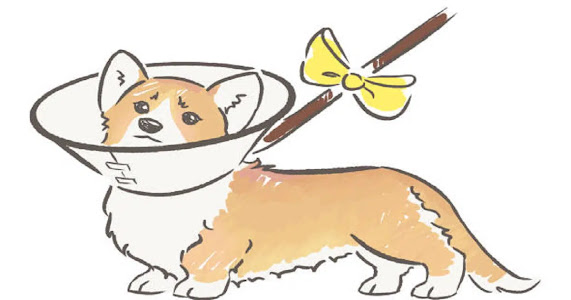
The Quiet Language of a Yellow Ribbon can communicate something important before a dog owner ever says a word. When you notice a yellow ribbon, bandana, leash marker, or similar yellow signal attached to a dog, the owner may be asking people and other dogs to give that animal additional space.
Many people naturally want to greet a friendly-looking dog. However, not every dog feels comfortable with strangers approaching, touching, staring, or allowing another dog to rush toward them. Some dogs feel nervous. Others recover from surgery, work through training, adjust after adoption, or simply prefer not to interact.
That simple yellow marker can help an owner advocate for a dog without repeatedly explaining the situation. Therefore, recognizing the signal and responding respectfully can make neighborhood walks, parks, trails, and public spaces calmer for everyone.
During one of my regular neighborhood walks, I noticed a dog wearing a bright yellow ribbon near its collar. At first, I assumed the owner had added it for decoration. However, the pair moved quietly to the side whenever another dog approached. Later, I learned that the ribbon asked others to give the dog more space. That small discovery completely changed how I approached unfamiliar dogs. Instead of automatically reaching out or allowing a dog to come closer, I began watching the owner and asking permission first. The experience reminded me that respect sometimes begins with simply noticing a quiet signal and honoring it.
Understanding the Quiet Language of a Yellow Ribbon
What the Yellow Signal Usually Communicates
The Quiet Language of a Yellow Ribbon centers on one straightforward request: please give this dog some additional space. The signal does not automatically label a dog as aggressive. Instead, it tells nearby people that approaching closely may create unnecessary stress or interfere with the dog’s comfort, health, or training.
The Yellow Dog Project helped popularize the use of yellow markers as a way for owners to communicate this need. Nevertheless, people should remember that no color system can replace direct communication with a dog’s handler.
Therefore, treat a yellow ribbon as a reason to slow down and avoid assumptions. Do not reach toward the dog. Also, do not allow your own dog to approach without permission.
A dog may wear yellow because it feels uncomfortable around unfamiliar people. Another dog may struggle when other animals enter its personal space. Meanwhile, an older dog may experience joint pain that makes sudden contact unpleasant.
In addition, a trainer may use extra space while helping a dog build confidence or learn leash skills. A newly adopted rescue dog may also need calm experiences while adjusting to unfamiliar surroundings.
The common thread remains simple. The owner wants enough room to manage the situation safely and comfortably.
Once you understand the signal, responding becomes easy. Give the pair room to pass, keep your own dog under control, and allow the handler to decide whether an interaction should happen.
A Yellow Ribbon Does Not Automatically Mean Aggression
People sometimes see a cautionary signal and immediately assume danger. However, The Quiet Language of a Yellow Ribbon carries a much broader meaning.
Some yellow-marked dogs may display reactive behavior when they feel overwhelmed. Yet many simply need distance for completely different reasons.
For example, a dog may recover from surgery and need protection from playful jumping. Similarly, a senior dog may have arthritis or another painful condition. Even a friendly bump from another dog can cause discomfort.
Other dogs feel shy around strangers. Therefore, an enthusiastic person leaning over them can create fear even when that person intends to show affection.
Training can also explain the ribbon. A dog learning to remain calm around distractions may need predictable distance while practicing. If strangers repeatedly interrupt the session, progress can become harder.
Rescue dogs often benefit from extra space as well. New environments bring unfamiliar smells, sounds, animals, and people. Consequently, owners may intentionally limit close interactions while the dog becomes comfortable.
Some dogs simply prefer not to socialize with strangers. People accept that preference in humans every day, and respecting it in dogs can prevent unnecessary tension.
Therefore, avoid interpreting yellow as a diagnosis or a character judgment. Instead, understand it as practical information.
You do not need to determine why the dog needs space. You only need to recognize the request and respond appropriately.
Why Some Dogs Need More Personal Space
Fear, Reactivity, Recovery, and Training
The Quiet Language of a Yellow Ribbon becomes easier to appreciate once you understand how many situations can make extra space valuable.
Fear offers one common example. A shy dog may freeze, retreat, bark, or pull away when unfamiliar people approach too quickly. Therefore, giving the dog distance can prevent the situation from escalating.
Reactivity provides another reason. A reactive dog may bark, lunge, whine, or become intensely focused when another dog appears. That response does not always come from aggression. Fear, frustration, overexcitement, or previous experiences may contribute.
Distance can help a handler keep the dog below its stress threshold. As a result, the dog may remain calm enough to respond to training cues.
Physical recovery matters too. A dog healing after surgery may need quiet walks without rough greetings. Similarly, an injured dog may feel vulnerable when another animal approaches.
Older dogs often appreciate extra room because declining vision, hearing changes, or joint discomfort can make sudden interactions more stressful.
Training creates another important situation. Owners may work on loose-leash walking, calm behavior around other dogs, or confidence in new environments. Consequently, unexpected greetings can interfere with a carefully planned session.
The Yellow Dog Project concept gives these owners a visible way to request space. However, responsible handling still matters. Owners should remain attentive, manage their dogs carefully, and communicate directly when necessary.
Likewise, other people can help by treating a yellow marker as a cue to avoid crowding the dog.
Why Consent Matters During Dog Encounters
Many people grew up believing that every friendly-looking dog welcomes petting. However, The Quiet Language of a Yellow Ribbon encourages a better habit: ask before interacting.
The dog’s owner knows more about the animal’s needs than a passing stranger does. Therefore, a quick question can prevent stress, confusion, or an uncomfortable encounter.
Even without a yellow ribbon, asking permission makes sense.
A dog may appear calm while actually feeling uncertain. For example, some dogs become very still when uncomfortable. Others turn their heads away, lick their lips, lower their posture, or try to increase distance.
Because people can misread these signals, the safest social habit remains simple: let the owner guide the interaction.
Children especially benefit from learning this rule. Instead of running toward an unfamiliar dog, they can stop several feet away and ask whether they may say hello.
Parents can also teach children never to hug, chase, corner, or surprise unfamiliar dogs. In addition, they should avoid reaching over fences or approaching dogs that eat, sleep, or care for puppies.
Dog owners should follow the same principle. If another handler asks for space, keep your dog close instead of saying, “Mine is friendly.”
Your dog’s friendliness does not determine how the other dog feels.
Respecting the request protects both animals. Moreover, it reduces pressure on the other handler, who may already work hard to manage distance and keep the walk calm.
How to Respond When You See a Yellow Ribbon
Give Space Without Making the Situation Awkward
The Quiet Language of a Yellow Ribbon works best when people respond calmly and naturally.
If you notice a dog wearing yellow, create more distance when practical. You can cross the street, step onto the opposite side of a wide path, or wait briefly while the owner passes.
You do not need to stare at the dog or dramatically move away. Instead, simply adjust your path and continue normally.
If you walk your own dog, shorten the leash enough to maintain control while still allowing comfortable movement. Then prevent your dog from pulling toward the yellow-marked dog.
Avoid retractable leashes that allow your dog to rush unexpectedly into another dog’s space, especially in busy areas. Instead, maintain a distance that gives both handlers time to react.
If you need to pass closely, communicate with the owner. A brief question about which direction works best can make the encounter easier.
Similarly, if you want to greet the dog, ask first. Accept the answer immediately if the owner declines.
You do not need an explanation.
A simple refusal may protect an injured dog, support an ongoing training plan, or prevent a nervous dog from becoming overwhelmed.
Respect works quietly. Therefore, a calm change of direction may help more than an enthusiastic attempt to reassure the dog.
By giving appropriate space, you allow the owner to focus on the animal instead of managing an approaching stranger.
Help Children and Other Dog Owners Understand
The Quiet Language of a Yellow Ribbon can also teach communities better dog etiquette.
Children often feel excited when they see dogs. Consequently, adults can explain that some dogs enjoy greetings while others need extra room.
Keep the explanation simple. Tell children to stop, keep their hands to themselves, and ask the owner before approaching.
If the answer is no, teach them to accept it without disappointment or argument.
Adults who walk dogs should follow the same standard. Never allow your dog to run toward another dog simply because your pet wants to play.
Instead, watch the other handler carefully. If the person changes direction, shortens the leash, moves behind a parked car, or asks for space, cooperate immediately.
Body language can communicate almost as much as a yellow ribbon.
Furthermore, avoid forcing an introduction between dogs. Face-to-face greetings on tight leashes can create tension, particularly when one dog already feels uncomfortable.
Sometimes, the kindest interaction involves no interaction at all.
You can admire a dog from several feet away. You can compliment the owner without approaching. You can also continue walking while giving them plenty of room.
These small choices reduce unnecessary pressure.
Over time, better habits can make shared spaces more comfortable for nervous dogs, senior dogs, recovering animals, dogs in training, and their owners.
Using the Yellow Ribbon Responsibly With Your Own Dog
When a Yellow Marker May Help
The Quiet Language of a Yellow Ribbon can offer useful support when your own dog needs additional space.
For example, you may have adopted a dog that still feels uncertain in busy environments. A yellow ribbon may encourage some people to remain farther away while you build confidence gradually.
Likewise, you may use yellow while your dog recovers from an injury or medical procedure. Other owners may notice the signal and prevent their dogs from initiating rough play.
A marker can also support behavioral training. However, it should complement good handling rather than replace it.
Choose walking routes that give you room to move away from triggers. Keep an appropriate leash on your dog, and monitor the environment instead of depending on strangers to notice the ribbon.
You can also tell people directly that your dog needs space.
Clear communication works particularly well because not everyone knows what yellow means. Therefore, prepare a simple statement such as, “Please give us some room.”
You do not owe strangers a detailed explanation.
If your dog repeatedly reacts strongly to people, animals, vehicles, or other triggers, consider working with a qualified veterinary or behavior professional. They can help identify contributing factors and develop an appropriate plan.
The yellow marker can make daily management easier, but professional support may address the underlying problem more effectively.
What the Yellow Ribbon Cannot Guarantee
The Quiet Language of a Yellow Ribbon provides a helpful communication tool, but it cannot guarantee that everyone understands or notices it.
Some people have never heard of the Yellow Dog Project. Others may mistake the ribbon for decoration. Children may not recognize the meaning, and off-leash dogs obviously cannot interpret the signal.
Therefore, owners should continue to manage their dogs proactively.
Maintain enough distance from situations your dog cannot handle comfortably. In addition, choose environments that match your dog’s current abilities rather than expecting the ribbon to control everyone around you.
A yellow marker also does not replace local leash laws, veterinary advice, behavioral treatment, or responsible supervision.
Furthermore, avoid assuming that another person understands exactly what your particular yellow accessory means. When necessary, communicate verbally.
This approach works especially well in narrow spaces where people cannot easily create distance.
Owners should also pay attention to their dog’s behavior rather than waiting until stress becomes severe. If your dog starts showing discomfort, increase distance early.
Ultimately, yellow works best as one part of a larger management plan.
The ribbon communicates a request. The handler still provides direction, control, and advocacy.
Meanwhile, other members of the community can contribute by respecting boundaries even when they do not understand the full story behind them.
Frequently Asked Questions
Does a yellow ribbon mean a dog is dangerous?
No. A yellow ribbon generally communicates that a dog needs additional space. The reason could involve nervousness, training, illness, injury, recovery, reactivity, or a preference for avoiding close contact. Therefore, do not automatically label the dog as aggressive.
Can I pet a dog wearing a yellow ribbon?
Ask the owner first and remain at a respectful distance while waiting for the answer. If the owner says no, continue on without approaching. Even when a dog appears friendly, the handler may know about medical, behavioral, or training needs that you cannot see.
What should I do if my dog approaches a yellow-ribbon dog?
Bring your dog closer to you and create more distance. Do not insist on a greeting because your dog behaves well with other animals. Instead, allow the yellow-ribbon dog’s owner to decide whether interaction feels appropriate.
Can I use a yellow ribbon for my own dog?
Yes, you can use a yellow ribbon or another clearly visible yellow marker to communicate that your dog needs space. However, remember that many people may not recognize the meaning. Therefore, continue managing distance and communicate verbally whenever necessary.
Should I give treats to a dog wearing yellow?
Do not offer or throw food without the owner’s permission. The dog could have allergies, dietary restrictions, medical conditions, resource-guarding concerns, or specific training requirements. Instead, ask before offering anything.
Conclusion
The Quiet Language of a Yellow Ribbon offers a simple reminder that dogs have boundaries just as people do.
A yellow marker does not automatically announce aggression. Instead, it may tell you that the dog feels nervous, works through training, recovers from an injury, adjusts to a new home, manages reactivity, or simply prefers additional space.
Your response can remain equally simple. Notice the signal, create room, control your own dog, and ask before approaching.
These habits benefit dogs even when no yellow ribbon appears. After all, asking permission before touching an unfamiliar animal represents good etiquette in every situation.
Owners who use yellow should also remember its limitations. Not everyone understands the signal, so responsible handling, distance management, and clear communication remain essential.
The Quiet Language of a Yellow Ribbon works because it encourages consideration rather than judgment. It asks people to recognize that they may not know a dog’s history, health, fears, or current training needs.
Sometimes, respecting an animal means choosing not to approach.
That small choice can turn a stressful encounter into a calm one, helping dogs, owners, children, and neighbors share public spaces more comfortably.
More Creative Crafts
- Finding Head Lice in a Loved One’s Hair: What It Means and the Best Way to Handle It
- Can the Shape of Your Legs Reveal Your Personality? Separating Myth From Reality
- What Does the Last Digit of Your Birth Year Say About You? A Gentle Guide to Self-Reflection and Life’s Beautiful Numbers
- Questions and Riddles That Will Really Challenge Your Mind: Can You Solve Them?