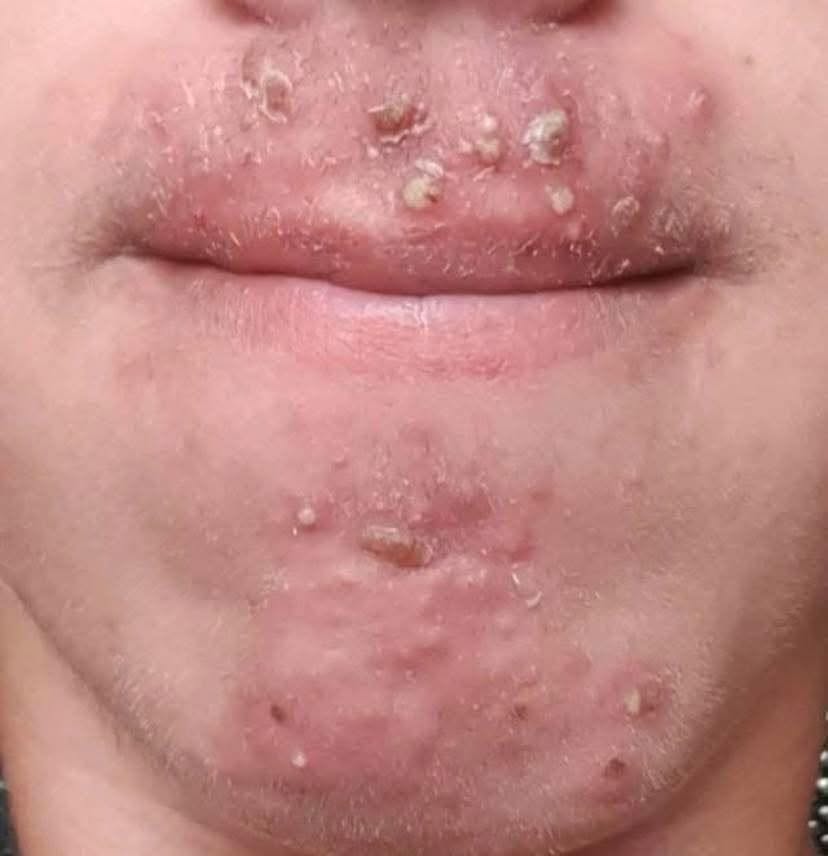
Few skin concerns are as frustrating as pimples around the mouth.
They often appear suddenly, can be difficult to conceal, and seem to linger longer than breakouts in other areas of the face. If you’ve been dealing with recurring blemishes around your lips, chin, or jawline, you’re not alone.
The good news is that these breakouts are often linked to identifiable triggers. Once you understand what’s causing them, it becomes much easier to create a skincare routine that supports healthier, clearer skin.
Why Pimples Around the Mouth Happen
Breakouts in the mouth and chin area are often caused by a combination of internal and external factors.
Hormonal Changes
The lower face, including the chin and jawline, is particularly sensitive to hormonal fluctuations.
Changes related to:
- Menstrual cycles
- Stress
- Pregnancy
- Polycystic ovary syndrome (PCOS)
- Certain medications
can increase oil production and contribute to clogged pores.
Hormonal acne often appears as deeper, more tender bumps that return in similar locations month after month.
Irritating Skincare or Oral Care Products
Some products that come into contact with the mouth area may trigger irritation.
Potential culprits include:
- Fragranced lip balms
- Heavy lip glosses
- Thick ointments
- Certain toothpaste ingredients
For some individuals, ingredients such as sodium lauryl sulfate (SLS) may contribute to irritation around the mouth.
Perioral Dermatitis
Not every bump around the mouth is acne.
Perioral dermatitis is a common inflammatory skin condition that can resemble acne but typically presents as:
- Small red bumps
- Dryness
- Burning or stinging
- Rash-like clusters around the mouth and nose
Unlike acne, perioral dermatitis often worsens with heavy creams and topical steroids.
If breakouts look more like a rash than individual pimples, a dermatologist should evaluate them.
Physical Friction
Repeated friction can irritate the skin and contribute to breakouts.
Common sources include:
- Face masks
- Chin straps
- Helmets
- Frequent face touching
- Resting your chin in your hands
These habits can trap sweat, oil, and bacteria against the skin.
Diet and Food Contact
Research suggests that high-glycemic foods may worsen acne in some individuals.
Examples include:
- Sugary drinks
- Candy
- White bread
- Highly processed snacks
Some studies also suggest a possible connection between acne and certain dairy products, particularly skim milk, although individual responses vary.
Additionally, food residue left on the skin after eating may contribute to irritation.
A Simple Skincare Routine for Mouth-Area Breakouts
Morning Routine
1. Gentle Cleanser
Choose a mild cleanser that removes oil and debris without stripping the skin.
Avoid:
- Harsh scrubs
- Rough cleansing brushes
- High-alcohol products
2. Lightweight Moisturizer
Hydrated skin functions better and may become less prone to irritation.
Look for products labeled:
- Non-comedogenic
- Oil-free
- Fragrance-free
3. Daily Sunscreen
Apply a broad-spectrum sunscreen with SPF 30 or higher every morning.
Sun exposure can worsen post-acne discoloration and inflammation.
Evening Routine
1. Thorough Cleansing
Remove sunscreen, makeup, and daily buildup before bed.
If you wear heavy makeup, consider double cleansing.
2. Acne Treatment
Depending on your skin type, ingredients that may help include:
- Benzoyl peroxide
- Salicylic acid
- Adapalene
- Azelaic acid
Start slowly to minimize irritation.
3. Moisturize Again
Even acne-prone skin benefits from moisturizer.
A healthy skin barrier helps reduce inflammation and supports healing.
Small Habits That Can Make a Big Difference
Rinse After Brushing Your Teeth
Toothpaste residue can remain around the mouth and contribute to irritation.
After brushing:
- Rinse thoroughly
- Wash around the mouth area
- Gently pat dry
Clean Your Phone
Phones collect oil, bacteria, and dirt throughout the day.
Regularly cleaning your phone screen may reduce unnecessary skin contact with these contaminants.
Avoid Picking
Picking pimples increases inflammation and raises the risk of scarring and discoloration.
Replace Face Masks Regularly
If you wear masks frequently, use clean masks and wash reusable masks regularly.
When to See a Dermatologist
Professional evaluation is recommended if:
- Breakouts persist despite treatment
- Acne becomes painful or cystic
- Scarring develops
- A rash forms around the mouth
- Symptoms suggest hormonal imbalance
A dermatologist can determine whether the issue is acne, perioral dermatitis, rosacea, or another skin condition and recommend appropriate treatment.
Frequently Asked Questions
Can toothpaste cause pimples around the mouth?
Not directly. However, some ingredients may irritate sensitive skin and contribute to conditions such as perioral dermatitis.
Is mouth-area acne usually hormonal?
Many cases are influenced by hormones, particularly when breakouts occur around the chin and jawline.
How long does it take to clear mouth-area acne?
Most treatments require at least 6 to 8 weeks of consistent use before noticeable improvement occurs.
Should I stop using moisturizer if I have acne?
No. Proper hydration supports the skin barrier and may actually help reduce irritation and inflammation.
When should I worry about pimples around the mouth?
Seek medical advice if breakouts are severe, painful, spreading, or accompanied by redness, scaling, or burning.
The Bottom Line
Pimples around the mouth often have identifiable causes, including hormones, irritation, friction, skincare products, and lifestyle habits.
The most effective approach is usually the simplest: gentle cleansing, consistent treatment, proper moisturization, daily sun protection, and attention to potential triggers.
Clear skin rarely happens overnight. However, with patience, consistency, and the right routine, most people can significantly improve breakouts around the mouth and maintain healthier skin over the long term.
More Home Remedies
- Wrinkled Fingers After Water Exposure: What Your Skin May Be Telling You
- Skin Rash With Breathing Trouble? It Could Be a Life-Threatening Allergic Reaction
- I Thought It Was a Piece of Trash on the Bathroom Floor—Until It Moved
- If You Are Getting White Pimples on Your Lips or Intimate Area, Here’s What They Could Mean