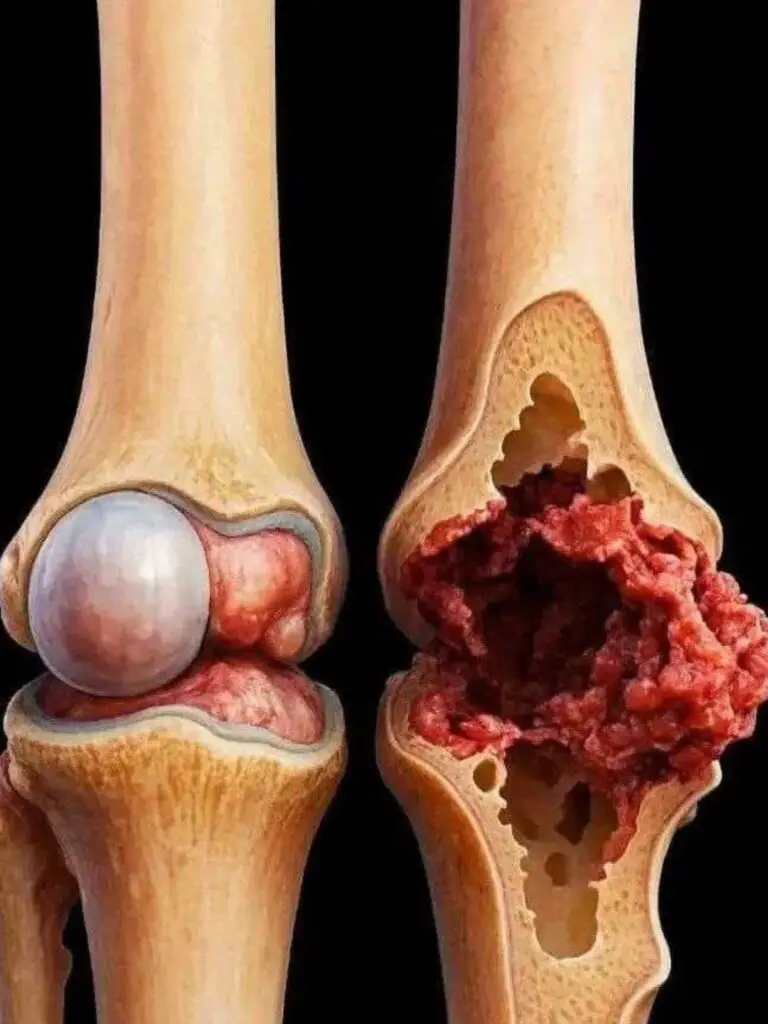
When your body starts behaving differently, it’s natural to wonder whether something serious is going on.
The good news is that most unusual symptoms are not caused by cancer. In fact, infections, hormonal changes, stress, medications, and countless other common conditions are far more likely explanations.
However, healthcare professionals emphasize that some persistent, unexplained changes can occasionally serve as early warning signs of cancer or other significant medical conditions.
The key is not to panic—but to pay attention.
The Most Important Rule: Look for Persistence
One isolated symptom rarely tells the whole story.
Doctors generally become more concerned when symptoms are:
- New
- Persistent
- Progressive
- Unexplained
- Lasting several weeks or longer
A symptom that appears briefly and disappears is usually less concerning than one that gradually worsens over time.
Rather than self-diagnosing, focus on noticing patterns and discussing persistent concerns with a healthcare professional.
General Symptoms That Shouldn’t Be Ignored
Unexplained Weight Loss
Losing weight without changing your diet or exercise routine can sometimes indicate an underlying medical problem.
While many conditions can cause weight loss, losing 10 pounds or more unintentionally deserves medical evaluation.
Persistent Fatigue
Everyone gets tired.
Cancer-related fatigue is different.
It often feels overwhelming and doesn’t improve with rest, sleep, or reduced activity.
Recurring Fever
A low-grade fever that continues for weeks without a clear cause can sometimes signal infection, autoimmune disease, or, less commonly, certain cancers.
Loss of Appetite
A sudden lack of interest in food that persists for an extended period should be discussed with a doctor.
Night Sweats
Occasional sweating during sleep is common.
Repeated drenching night sweats, especially when combined with other symptoms, warrant evaluation.
Changes in the Skin
Your skin can sometimes provide clues about internal health conditions.
Jaundice
Yellowing of the skin or eyes can occur when bilirubin levels rise.
Possible causes include:
- Liver disease
- Gallbladder problems
- Pancreatic disorders
- Certain cancers
Persistent Redness or Darkening
Unexplained skin changes that do not improve should be assessed.
Non-Healing Sores
Any sore that fails to heal after several weeks deserves medical attention.
This includes:
- Mouth ulcers
- Skin lesions
- Sores on the lips
- Genital lesions
New or Changing Moles
Changes involving:
- Size
- Shape
- Color
- Border irregularity
should be evaluated promptly.
Lumps and Swellings
One of the better-known warning signs involves unexplained lumps.
Swollen Lymph Nodes
Lymph nodes may enlarge because of:
- Infections
- Immune responses
- Inflammatory conditions
- Certain cancers
Nodes that remain enlarged for several weeks should be examined.
Breast Changes
Possible concerns include:
- New lumps
- Skin dimpling
- Nipple changes
- Unusual discharge
Not all breast lumps are cancerous, but evaluation is important.
Neck, Groin, or Underarm Lumps
Persistent swelling in these areas should not be ignored.
Digestive Symptoms
Many digestive complaints are harmless, but persistent changes deserve attention.
Difficulty Swallowing
Problems swallowing food or liquids may signal conditions involving the esophagus or throat.
Ongoing Heartburn
Chronic reflux symptoms that worsen or fail to respond to treatment should be investigated.
Changes in Bowel Habits
Watch for:
- Persistent diarrhea
- Ongoing constipation
- Narrow stools
- Changes lasting several weeks
Blood in the Stool
Blood should always be evaluated by a healthcare professional.
While hemorrhoids are common, bleeding can have many causes.
Persistent Abdominal Pain
Unexplained pain that continues or worsens should not be ignored.
Urinary Changes
Changes involving urination can sometimes signal underlying disease.
Blood in the Urine
Even a small amount of blood warrants prompt medical attention.
Frequent Urination
New urinary urgency or frequency without infection should be evaluated.
Pain During Urination
Persistent discomfort can indicate numerous conditions that require medical assessment.
Respiratory Symptoms
Chronic Cough
A cough lasting more than three weeks deserves attention, especially if it continues worsening.
Coughing Up Blood
This symptom should always be evaluated immediately.
Shortness of Breath
Persistent breathing difficulties require medical assessment.
Hoarseness
Voice changes lasting longer than a few weeks should be checked by a healthcare professional.
Unusual Bleeding
Unexpected bleeding can sometimes signal underlying problems.
Vaginal Bleeding
Especially important after menopause.
Rectal Bleeding
Should never be automatically dismissed.
Nosebleeds
Frequent unexplained nosebleeds deserve attention.
Easy Bruising
New bruising patterns without injury may indicate blood-related disorders.
Neurological Symptoms
Persistent Headaches
Especially headaches that are:
- New
- Severe
- Progressive
- Different from previous headaches
Vision Changes
Sudden or ongoing visual disturbances should be evaluated.
Balance Problems
Unexplained dizziness or coordination difficulties deserve attention.
Seizures
Any first-time seizure requires immediate medical evaluation.
Bone and Joint Symptoms
Persistent Bone Pain
Pain that continues for weeks and worsens over time should be assessed.
Unexplained Fractures
Bones that break more easily than expected may require investigation.
Less Common Symptoms
Some unusual symptoms have occasionally been associated with cancer diagnoses, although they are far more commonly caused by other conditions.
These include:
- Persistent itching without rash
- Chronic hiccups
- Unexplained swelling
- New food aversions
- Ongoing nausea
- Changes in taste
- Persistent bloating
- Unexplained anemia
- Frequent infections
- Extreme weakness
The presence of any one symptom does not mean cancer is present.
When to See a Doctor
Consider scheduling an appointment if you experience symptoms that:
- Persist longer than two to four weeks
- Continue worsening
- Have no obvious explanation
- Interfere with daily life
- Occur alongside weight loss, fatigue, or fever
Early evaluation often provides reassurance, and when serious conditions are present, earlier detection usually improves outcomes.
What Doctors Look For
Healthcare providers rarely diagnose cancer based on a single symptom.
Instead, they consider:
- Medical history
- Family history
- Physical examination
- Laboratory testing
- Imaging studies
- Symptom patterns over time
This comprehensive approach helps distinguish serious conditions from common everyday illnesses.
Red Flags That Deserve Prompt Attention
Seek medical evaluation promptly for:
- Coughing up blood
- Blood in urine or stool
- Severe unexplained weight loss
- Persistent lumps
- Difficulty swallowing
- Ongoing fever
- Significant night sweats
- Unexplained bleeding
- Severe fatigue
These symptoms often have non-cancer causes, but they should not be ignored.
Final Thoughts
The purpose of knowing potential warning signs is not to create fear.
It’s to encourage awareness.
Most unusual symptoms are caused by conditions far less serious than cancer. Nevertheless, persistent changes in your body deserve attention and sometimes professional evaluation.
The best approach is simple:
- Notice changes.
- Monitor persistence.
- Seek medical advice when appropriate.
- Avoid self-diagnosis.
Your body often provides clues when something isn’t right. Listening to those signals—and discussing them with a healthcare professional when necessary—is one of the most important steps you can take to protect your health.
Awareness saves lives. Panic helps no one.
More Home Remedies
- Wrinkled Fingers After Water Exposure: What Your Skin May Be Telling You
- Skin Rash With Breathing Trouble? It Could Be a Life-Threatening Allergic Reaction
- I Thought It Was a Piece of Trash on the Bathroom Floor—Until It Moved
- If You Are Getting White Pimples on Your Lips or Intimate Area, Here’s What They Could Mean