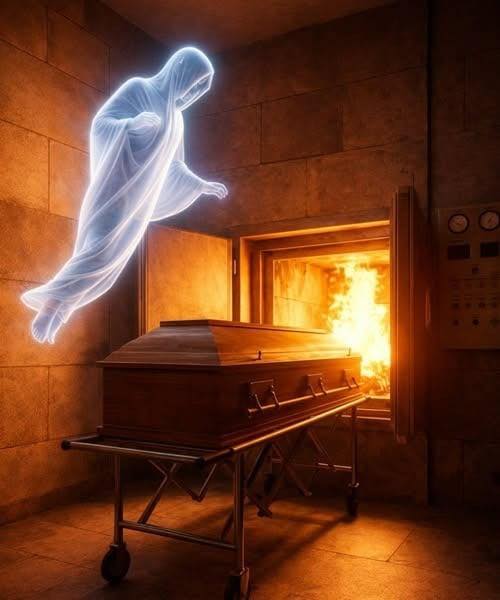
The Sin of Cremation: What Does the Bible Say? This question has comforted, troubled, and challenged many Christian families for generations. When people face grief or make end-of-life plans, they often wonder whether cremation dishonors God or conflicts with biblical teaching. The truth may surprise you. The Bible never directly calls cremation a sin, and many faithful Christians today believe the decision belongs to personal conscience, family tradition, and practical circumstances.
For many families, this topic becomes deeply emotional after losing someone they love. My aunt faced this question after her husband passed unexpectedly. Some relatives insisted burial was the only “proper” Christian option, while others believed cremation was simply a practical choice. During those difficult conversations, she realized most people had strong opinions but very little understanding of what Scripture actually says. That experience led our family to study the Bible more carefully instead of relying on fear, assumptions, or internet rumors.
What the Bible Actually Says About Cremation
Burial Was Common in Biblical Times
Throughout Scripture, burial was the normal practice among Jewish and early Christian communities. Abraham buried Sarah in a cave. Jesus Himself was placed in a tomb after the crucifixion. Because burial appeared so frequently in biblical culture, many Christians naturally associate it with honoring the body.
However, cultural practice does not automatically create a universal command. Many customs in biblical times reflected geography, climate, tradition, and available resources rather than divine law.
The Bible Never Directly Forbids Cremation
One important fact often gets overlooked. No verse in the Bible clearly says cremation is sinful. Scripture contains laws and commands about many moral issues, yet cremation is never specifically condemned.
In fact, there are examples involving burned bodies that do not receive judgment or rebuke. In 1 Samuel 31, the bodies of Saul and his sons were burned after battle to protect them from further humiliation by enemies. Their remains were later buried respectfully. The text presents this act as honorable, not sinful.
Why Some Christians Prefer Burial
Resurrection Beliefs and Tradition
Many Christians prefer burial because of the belief in bodily resurrection. Since Jesus rose physically from the grave, burial became connected with hope, reverence, and the promise of eternal life.
For centuries, Christians viewed burial as a symbol of planting a seed that God would later raise again. This symbolic meaning still comforts many families today.
Respect for the Human Body
Some believers feel burial reflects greater honor toward the body because Scripture describes the human body as a temple of the Holy Spirit. They see burial as a gentle and respectful return to the earth.
While this perspective remains meaningful for many Christians, it does not necessarily mean cremation dishonors God. Different believers interpret these ideas differently.
What Many Christian Churches Teach Today
Roman Catholic Perspective
The Roman Catholic Church once strongly discouraged cremation. However, since 1963, cremation has been permitted under most circumstances. The Church still prefers burial when possible, but cremation itself is no longer considered sinful.
Catholic teaching asks families to store ashes respectfully rather than scattering them casually.
Protestant and Evangelical Views
Most Protestant denominations accept cremation as a personal choice. Many pastors emphasize that God’s power does not depend on preserving physical remains.
Whether someone is buried at sea, lost in a fire, cremated, or buried traditionally, Christians believe God remains fully capable of resurrection.
Common Questions Christians Still Ask
Does Cremation Prevent Resurrection?
This concern has existed for generations, yet most Christian theologians reject the idea. According to biblical teaching, God created humanity from dust in the first place. Christians believe God can restore and resurrect regardless of what happens to earthly remains.
Throughout history, many believers died in wars, shipwrecks, fires, or natural disasters without intact bodies. Christianity has never taught these people lose resurrection hope.
Is Cremation Connected to Pagan Practices?
Some people worry because ancient pagan cultures practiced cremation. However, many everyday customs today also existed in pagan societies, including wedding rings and certain holiday traditions.
The meaning behind an action matters more than historical association alone. Most modern Christian families choose cremation for financial, emotional, environmental, or personal reasons rather than religious rebellion.
Practical Reasons Families Choose Cremation
Financial Considerations
Traditional funerals and burial plots can cost thousands of dollars. Cremation often provides a more affordable option for families facing financial hardship.
For grieving relatives already dealing with emotional stress, lower costs sometimes reduce additional burdens.
Simplicity and Flexibility
Cremation can simplify funeral planning and provide flexibility for memorial services. Families separated by distance often appreciate having more time to gather together.
Others choose cremation because it aligns with personal wishes about simplicity or environmental concerns.
Balancing Faith, Tradition, and Personal Convictions
Families May Disagree
Cremation discussions sometimes create tension within families because people carry emotional traditions from childhood. One relative may see burial as sacred while another sees cremation as practical and acceptable.
These conversations become easier when families focus on compassion instead of fear or judgment.
Faith Matters More Than Funeral Method
Most Christian leaders agree the central issue is faith in God rather than the physical handling of remains after death. The Bible consistently emphasizes the condition of the soul, the hope of resurrection, and trust in God’s promises.
Christians may sincerely disagree on burial preferences while still sharing the same faith.
Frequently Asked Questions
Does the Bible call cremation a sin?
No. The Bible never directly states that cremation is sinful.
Why did most biblical people choose burial?
Burial was the common cultural practice in Jewish and early Christian societies.
Can Christians still believe in resurrection after cremation?
Yes. Most Christian traditions believe God can resurrect regardless of physical remains.
Does the Catholic Church allow cremation?
Yes. Cremation has been permitted by the Catholic Church since 1963 under most circumstances.
Should Christians choose burial or cremation?
That decision usually depends on personal beliefs, family traditions, finances, and conscience.
Conclusion
The Sin of Cremation: What Does the Bible Say? After examining Scripture carefully, the answer becomes clearer than many people expect. The Bible never directly forbids cremation or labels it sinful. While burial remains meaningful and deeply symbolic for many Christians, cremation does not place someone outside God’s love, grace, or resurrection promise.
For grieving families, peace often comes from remembering what Christianity teaches most strongly: faith, hope, compassion, and eternal life through God matter far more than the physical method chosen after death. In the end, whether someone returns to earth naturally or through ashes, Christians trust that nothing separates believers from the care and power of God.
More Home Remedies
- Wrinkled Fingers After Water Exposure: What Your Skin May Be Telling You
- Skin Rash With Breathing Trouble? It Could Be a Life-Threatening Allergic Reaction
- I Thought It Was a Piece of Trash on the Bathroom Floor—Until It Moved
- If You Are Getting White Pimples on Your Lips or Intimate Area, Here’s What They Could Mean