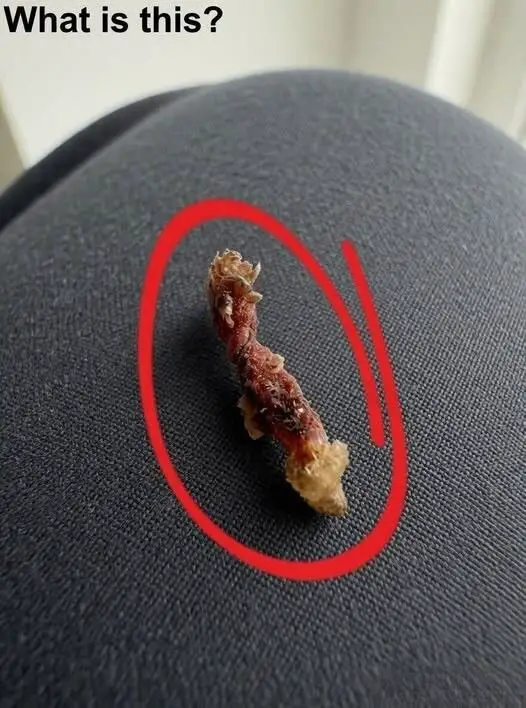
There are few feelings more unsettling than waking up in the middle of the night convinced something is crawling across your skin. In those groggy, half-awake moments, the mind immediately jumps to the worst possibilities. Was it a spider? Bed bugs? Some kind of insect hiding in the mattress?
For many people, the fear feels so real that sleep becomes almost impossible afterward. The more attention gets focused on the sensation, the stronger it seems to become. Yet surprisingly, many crawling sensations experienced at night are not caused by bugs at all.
Sometimes, the brain itself creates the sensation.
A stressful week once left one person lying awake night after night after feeling what seemed like tiny movements across the upper back while trying to fall asleep. The mattress got inspected repeatedly, sheets were washed obsessively, and every corner of the bedroom got searched with a flashlight. Despite hours of checking, nothing ever appeared. No bites. No bugs. No evidence. Eventually, a doctor explained that the sensation was something called formication—a surprisingly common neurological sensation linked to stress, anxiety, exhaustion, and heightened nervous system activity. Suddenly, everything started making sense.
What Is Formication?
Formication is the medical term for the sensation of insects crawling on or under the skin when nothing is actually there.
The Brain Misinterprets Sensations
The nervous system constantly processes:
- Pressure
- Touch
- Temperature
- Movement
- Vibrations
Normally, the brain filters harmless sensations automatically.
However, during periods of:
- Stress
- Anxiety
- Sleep deprivation
- Hyperawareness
the brain may misinterpret ordinary sensations as crawling movements.
The Name Comes From the Latin Word for “Ant”
The term “formication” comes from:
- formica
meaning: - ant
because the sensation often resembles tiny insects moving across the skin.
Why Crawling Sensations Feel So Real
The experience can feel extremely convincing.
The Nervous System Becomes Hyperalert
Stress keeps the body in a heightened state of awareness.
During this state:
- Small muscle twitches feel amplified
- Clothing movement feels suspicious
- Hair brushing against skin feels exaggerated
The brain begins scanning constantly for danger.
Sleep Deprivation Makes It Worse
Poor sleep affects how the brain processes sensory information.
Exhaustion may increase:
- Phantom sensations
- Anxiety
- Hyperfocus
- Misinterpretation of normal body signals
This often creates a vicious cycle:
- Fear interrupts sleep
- Lack of sleep worsens sensations
- Anxiety increases further
Common Causes of Formication
Several conditions and situations may trigger crawling sensations.
Stress and Anxiety
This remains one of the most common causes.
High stress levels may:
- Increase nervous system activity
- Heighten body awareness
- Trigger phantom sensations
Sleep Deprivation
Even a few nights of poor sleep may contribute to:
- Sensory misfires
- Increased irritability
- Heightened alertness
Hormonal Changes
Hormonal fluctuations during:
- Menopause
- Pregnancy
- Perimenopause
sometimes contribute to skin sensations and nerve sensitivity.
Medication Side Effects
Certain medications occasionally trigger crawling sensations, including:
- Stimulants
- Some antidepressants
- Certain blood pressure medications
Nutritional Deficiencies
Low levels of:
- Vitamin B12
- Iron
- Folate
may affect nerve function and sensation.
Other Conditions That Can Cause Crawling Sensations
Not every crawling feeling comes from stress alone.
Restless Leg Syndrome
Restless Leg Syndrome often causes:
- Tingling
- Pulling
- Crawling sensations
- Urge to move the legs
Symptoms usually worsen at night.
Peripheral Neuropathy
Nerve irritation or damage may cause:
- Tingling
- Burning
- Numbness
- Crawling sensations
This is more common in:
- Diabetes
- Vitamin deficiencies
- Certain neurological conditions
Dry Skin
Extremely dry skin sometimes creates:
- Itching
- Tingling
- Crawling feelings
especially during winter or low humidity seasons.
Shingles
Before a shingles rash appears, some people experience:
- Tingling
- Burning
- Crawling sensations
usually on one side of the body.
When Crawling Sensations Might Actually Be Bugs
Although formication is common, real infestations do happen occasionally.
Signs of Bed Bugs
Possible bed bug signs include:
- Small bites
- Blood spots on sheets
- Dark specks near mattress seams
- Musty odor
Signs of Scabies
Scabies often causes:
- Intense itching
- Worsening symptoms at night
- Small burrow tracks on skin
Signs of Lice
Lice typically cause:
- Intense scalp itching
- Visible eggs attached to hair
If no physical signs appear after careful inspection, stress-related sensations become much more likely.
Why the Brain Can Create Phantom Sensations
The brain constantly predicts and interprets sensory information.
The “Phantom Phone Vibration” Effect
Many people have experienced:
- Feeling a phone vibrate when it never actually did
The brain becomes so conditioned to expecting the sensation that it creates one.
Crawling sensations may work similarly.
Hyperfocus Strengthens the Sensation
The more attention gets directed toward the sensation:
- The stronger it feels
- The more anxiety increases
- The harder relaxation becomes
This reinforces the cycle repeatedly.
What To Do If You Feel Crawling Sensations at Night
A calm step-by-step approach helps reduce panic.
Step 1: Check for Physical Evidence
Look for:
- Bites
- Rash
- Visible insects
- Blood spots
- Mattress debris
If nothing appears, take a deep breath before assuming the worst.
Step 2: Evaluate Stress and Sleep
Ask yourself:
- Am I exhausted?
- Have I been anxious lately?
- Am I under unusual pressure?
- Am I sleeping poorly?
Stress-related causes become more likely when these answers are yes.
Step 3: Improve Sleep Habits
Helpful sleep habits include:
- Consistent bedtime
- Reduced screen time
- Cooler bedroom temperature
- Less caffeine late in the day
Step 4: Calm the Nervous System
Relaxation strategies may help:
- Deep breathing
- Meditation
- Stretching
- Journaling
- Magnesium supplements (with medical guidance)
When To See a Doctor
Medical evaluation becomes important if symptoms persist.
Seek Medical Care If You Experience
- Weakness
- Numbness
- Rash
- Fever
- Severe tingling
- Persistent symptoms
- One-sided body symptoms
These may indicate underlying neurological or medical conditions.
Chronic Symptoms Deserve Evaluation
Persistent crawling sensations lasting weeks should not simply be ignored.
Doctors may evaluate:
- Vitamin deficiencies
- Neurological conditions
- Medication effects
- Anxiety disorders
- Sleep problems
How Stress Reduction Often Helps
For many people, reducing nervous system overload improves symptoms significantly.
Better Sleep Helps the Brain Reset
Quality sleep improves:
- Sensory processing
- Stress regulation
- Nervous system balance
Reducing Hypervigilance Breaks the Cycle
Constantly searching for bugs often strengthens anxiety.
Once reassurance replaces fear, the sensations frequently decrease gradually.
Frequently Asked Questions
Is formication dangerous?
Usually no. It is often linked to stress, anxiety, or sleep deprivation, although medical evaluation may be needed for persistent symptoms.
Can anxiety really cause crawling sensations?
Yes. Anxiety and nervous system hyperarousal can create very real physical sensations.
How do I know if it is bed bugs?
Bed bugs usually leave physical evidence such as bites, blood spots, or visible insects.
Can vitamin deficiencies cause these sensations?
Yes. Low vitamin B12 or iron levels sometimes affect nerve function.
Should I see a doctor?
Yes, especially if symptoms persist, worsen, or occur alongside weakness, numbness, or rash.
Conclusion
Feeling something crawling on the skin at night can feel incredibly frightening, especially when the sensation seems vivid and impossible to ignore. However, many nighttime crawling sensations are not caused by bugs at all. Instead, stress, anxiety, sleep deprivation, nervous system sensitivity, and formication often play surprisingly large roles.
The brain is powerful enough to create sensations that feel completely real, especially when exhaustion and anxiety heighten awareness. Fortunately, improving sleep, lowering stress, calming the nervous system, and addressing underlying health concerns often helps the sensations fade significantly over time.
Most importantly, experiencing these sensations does not mean someone is “losing their mind.” The nervous system sometimes becomes overloaded and overly alert, especially during stressful periods of life. Understanding what is happening often becomes the first step toward relief, reassurance, and finally getting a good night’s sleep again.