As people grow older, nutrition becomes more important than ever. The body changes with age, metabolism slows down, muscle mass naturally decreases, and energy levels may not feel the same as they once did. Because of this, choosing nutrient-rich foods can make a major difference in overall health, strength, and quality of life.
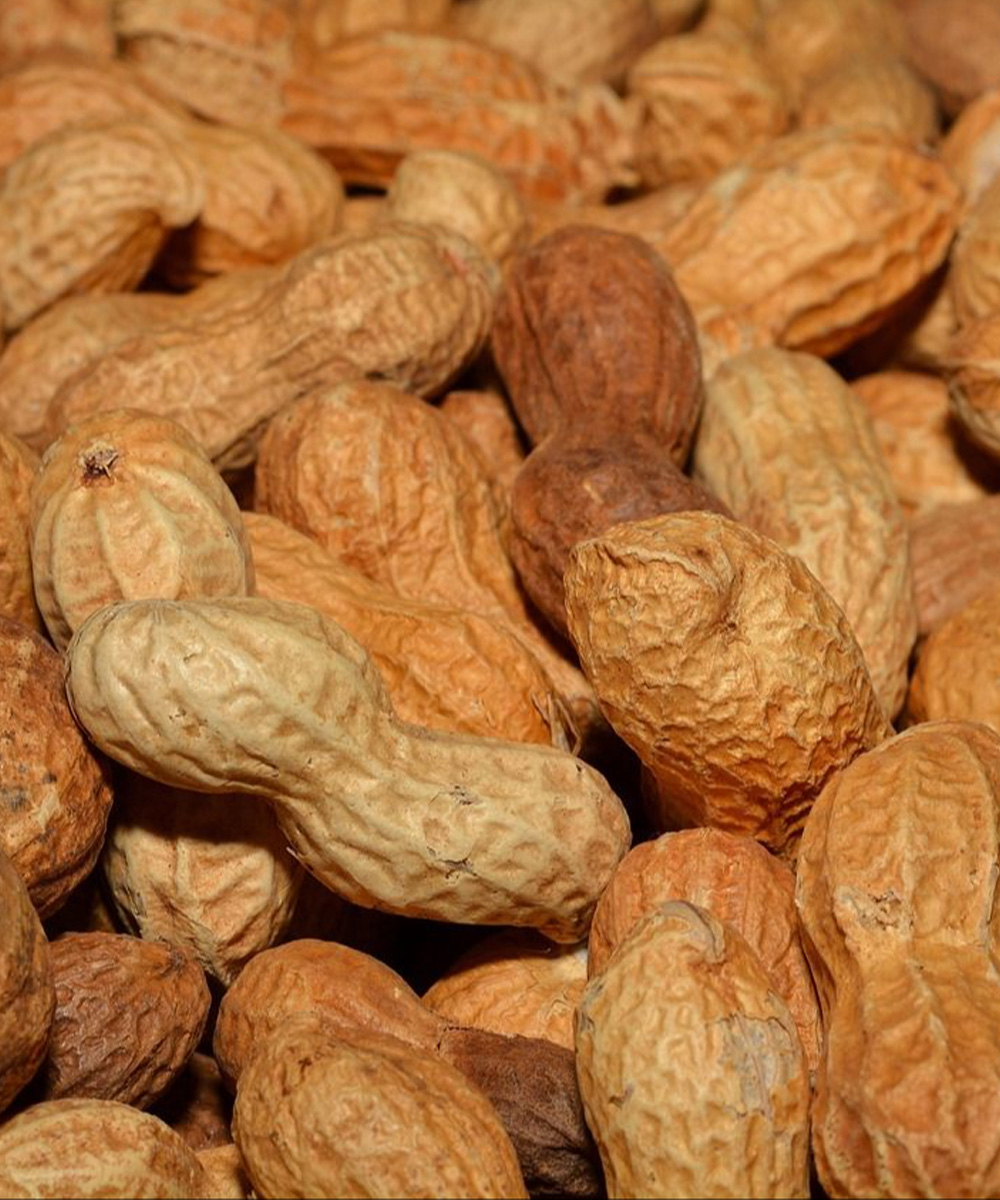
One simple food that often gets overlooked is the peanut. Affordable, easy to find, and packed with nutrients, peanuts can support healthy aging in several important ways. They contain protein, healthy fats, vitamins, minerals, and antioxidants that help the body function properly. When eaten in moderation, peanuts can become a smart addition to a balanced diet for older adults.
Many families already keep peanuts or peanut butter in the kitchen, but few realize how beneficial they can be for maintaining strength and supporting long-term wellness. Whether eaten as a snack, blended into smoothies, or added to meals, peanuts offer convenience and nutrition at the same time.
A few years ago, an elderly neighbor began struggling with low energy and reduced appetite after retirement. She often skipped meals because cooking large portions felt exhausting. Her doctor encouraged her to include more nutrient-dense snacks throughout the day. She started keeping small containers of unsalted peanuts nearby and noticed gradual improvements in her energy and fullness. Eventually, she added peanut butter to toast and oatmeal each morning. The changes were simple, yet they helped her maintain her weight and stay active. Her experience showed how small dietary habits can support healthier aging over time.
Why Nutrition Matters More With Age
The Body Changes Over Time
As adults get older, the body experiences natural physical changes that affect nutritional needs. Muscle mass gradually declines, bones may weaken, and digestion can become slower. Appetite also tends to decrease with age, making it harder to consume enough calories and nutrients throughout the day.
Because of these changes, older adults often need foods that provide a high amount of nutrition in smaller portions. Foods rich in protein, healthy fats, vitamins, and minerals become especially valuable.
Peanuts fit this need very well because they contain:
- Plant-based protein
- Healthy unsaturated fats
- Fiber
- Magnesium
- Vitamin E
- Niacin
- Phosphorus
These nutrients work together to support energy, mobility, heart health, and brain function.
Instead of relying heavily on processed snacks with little nutritional value, older adults can benefit from simple whole foods that provide lasting nourishment.
Nutrient-Dense Foods Support Independence
Maintaining strength and energy is essential for preserving independence later in life. Tasks such as walking, climbing stairs, carrying groceries, or simply staying active require muscle function and stamina.
Protein plays a major role in maintaining muscle tissue. Unfortunately, many older adults do not consume enough protein each day.
Peanuts offer an easy and affordable protein source that can be added to meals or eaten alone. Even small servings provide valuable calories and nutrients that help support daily functioning.
Nutrient-dense foods may also reduce the risk of frailty, fatigue, and unintentional weight loss, which are common concerns among aging adults.
Peanuts and Muscle Support
Protein Helps Maintain Strength
One of the most important benefits of peanuts is their protein content. Protein supports muscle repair, tissue maintenance, and overall body strength.
As people age, the body naturally loses muscle mass through a process called sarcopenia. This condition can contribute to weakness, poor balance, and reduced mobility.
Including protein-rich foods regularly may help slow this process.
Peanuts provide plant-based protein that can help:
- Support muscle maintenance
- Improve recovery after activity
- Promote fullness
- Help preserve physical strength
For older adults who struggle with appetite, peanuts can offer concentrated nutrition in a small serving size.
Peanut butter is another convenient option because it is soft, easy to eat, and versatile.
Easy Ways to Add Protein Through Peanuts
Many people assume healthy eating requires complicated meal plans, but adding peanuts to the diet can be very simple.
Easy ideas include:
- A handful of peanuts as an afternoon snack
- Peanut butter spread on whole-grain toast
- Chopped peanuts added to salads
- Mixing peanuts into oatmeal
- Peanut butter blended into smoothies
These small additions increase protein intake without requiring major dietary changes.
Older adults with chewing difficulties may find smooth peanut butter easier to consume than whole nuts.
Because peanuts are filling, they may also help prevent unhealthy snacking on sugary or highly processed foods.
Heart-Healthy Benefits of Peanuts
Healthy Fats Support Cardiovascular Health
Peanuts contain mostly unsaturated fats, which are considered healthier fats for the heart. Unlike trans fats and excessive saturated fats found in some processed foods, unsaturated fats may help support healthy cholesterol levels.
Heart health becomes increasingly important with age because older adults face a higher risk of:
- High blood pressure
- Heart disease
- Stroke
- Circulation problems
A balanced diet that includes healthy fats may support cardiovascular wellness.
Peanuts contain monounsaturated and polyunsaturated fats, which are commonly associated with heart-friendly eating patterns.
Research suggests that moderate nut consumption may support:
- Healthy blood vessels
- Better cholesterol balance
- Reduced inflammation
- Improved circulation
However, moderation remains important because peanuts are calorie-dense.
Fiber and Nutrients Also Help the Heart
In addition to healthy fats, peanuts contain fiber and minerals that support cardiovascular health.
Magnesium helps regulate muscle and nerve function, including the heart muscle itself. Potassium also plays a role in maintaining healthy blood pressure.
Fiber may support:
- Digestive health
- Cholesterol control
- Blood sugar stability
These combined benefits make peanuts a valuable addition to balanced meals.
Choosing unsalted or lightly salted peanuts is especially important for individuals monitoring sodium intake.
Brain and Cognitive Support
Nutrients That Support Brain Function
Brain health often becomes a major concern with aging. Many older adults focus on maintaining memory, concentration, and mental clarity.
Peanuts contain nutrients linked to brain support, including:
- Vitamin E
- Healthy fats
- Niacin
- Antioxidants
Vitamin E acts as an antioxidant that helps protect cells from oxidative stress. Oxidative stress may contribute to aging and cognitive decline over time.
Healthy fats also support normal brain function because the brain relies heavily on fats for structure and communication between nerve cells.
Niacin helps support energy production and nervous system function.
Although no single food can prevent cognitive decline, nutrient-rich foods may support overall brain wellness when combined with healthy lifestyle habits.
Energy for Daily Living
Older adults sometimes experience low energy due to reduced appetite or inadequate nutrition. Peanuts provide calories and nutrients in a compact form, making them useful for maintaining energy throughout the day.
Unlike sugary snacks that create rapid spikes and crashes in blood sugar, peanuts provide more stable energy because they contain:
- Protein
- Healthy fats
- Fiber
This combination slows digestion and promotes longer-lasting fullness.
Simple snacks like peanuts may help older adults avoid fatigue between meals while supporting nutritional needs.
Bone Health and Physical Stability
Minerals That Support Bones
Bone strength becomes increasingly important with age because bone density often declines over time.
Peanuts contain minerals that help support bone health, including:
- Magnesium
- Phosphorus
- Manganese
Magnesium supports hundreds of processes in the body and contributes to healthy bones and muscles.
Phosphorus works alongside calcium to maintain bone structure and dental health.
Strong bones help reduce the risk of fractures and mobility limitations later in life.
While peanuts should not replace calcium-rich foods entirely, they can contribute to a balanced nutritional plan.
Supporting Mobility and Independence
Maintaining mobility allows older adults to continue living independently and participating in daily activities.
Nutrition directly affects physical stability because muscles, bones, and joints all rely on adequate nutrients.
Peanuts may support mobility by helping maintain:
- Muscle strength
- Energy levels
- Bone support
- Overall nutrition
Combined with physical activity and regular healthcare, healthy eating habits may contribute to better quality of life as people age.
Blood Sugar and Weight Management
Peanuts Have a Low Glycemic Impact
Managing blood sugar becomes especially important for adults living with Type 2 Diabetes or insulin resistance.
Peanuts have a relatively low glycemic impact because they contain minimal sugar and digest slowly.
This may help:
- Reduce sudden blood sugar spikes
- Promote steady energy
- Improve satiety after meals
Pairing peanuts with carbohydrates may also slow digestion and improve blood sugar stability.
For example:
- Apple slices with peanut butter
- Whole-grain crackers with peanuts
- Oatmeal topped with peanuts
These combinations provide balanced nutrition and sustained fullness.
Portion Control Still Matters
Although peanuts are nutritious, they are also calorie-dense. Eating large amounts regularly may contribute to excess calorie intake.
Moderation is key.
A small handful often provides enough nutrients and satisfaction without excessive calories.
Helpful portion tips include:
- Pre-portion snacks into containers
- Avoid eating directly from large bags
- Choose unsalted varieties
- Pair peanuts with fruits or vegetables
Balanced eating habits provide the greatest long-term benefits.
Things Older Adults Should Keep in Mind
Peanut Allergies Require Serious Attention
Peanut allergies can be severe and even life-threatening for some individuals.
Anyone with a known peanut allergy should avoid peanuts completely and carefully read food labels.
Symptoms of allergic reactions may include:
- Swelling
- Hives
- Difficulty breathing
- Dizziness
- Digestive distress
Immediate medical attention is necessary for severe allergic reactions.
Choose Healthier Peanut Products
Not all peanut products offer the same nutritional value.
Some peanut-based snacks contain:
- Excess salt
- Added sugars
- Hydrogenated oils
- Artificial ingredients
Healthier choices include:
- Dry-roasted peanuts
- Unsalted peanuts
- Natural peanut butter
- Peanut products with minimal ingredients
Reading labels helps consumers make smarter choices.
Easy Ways to Include Peanuts in Daily Meals
Simple Meal Ideas
Adding peanuts to meals does not require complicated recipes.
Easy options include:
- Sprinkle chopped peanuts over salads
- Add peanut butter to smoothies
- Mix peanuts into trail mix
- Use peanut sauce in stir-fries
- Spread peanut butter on bananas or toast
These meals provide both flavor and nutrition.
Affordable and Accessible Nutrition
One major advantage of peanuts is affordability. Many nutrient-rich foods can feel expensive, especially for retirees or people on fixed incomes.
Peanuts offer a budget-friendly option that still provides valuable nutrients.
Because they are shelf-stable and widely available, they remain convenient for households of all sizes.
This accessibility makes peanuts especially practical for supporting healthy aging.
Frequently Asked Questions
Are peanuts healthy for older adults?
Yes. In moderation, peanuts provide protein, healthy fats, fiber, vitamins, and minerals that support overall health.
Can peanuts help maintain muscle strength?
Peanuts contain plant-based protein that may help support muscle maintenance and physical strength.
Are peanuts good for heart health?
Their unsaturated fats may support healthy cholesterol levels when included in a balanced diet.
Can people with diabetes eat peanuts?
Peanuts have a low glycemic impact and may help support blood sugar stability when eaten in moderation.
How much should older adults eat?
A small handful per day is often considered a reasonable portion, depending on individual dietary needs.
Conclusion
Peanuts are far more than a simple snack. They provide valuable nutrients that can support healthy aging, including protein, healthy fats, fiber, vitamins, and essential minerals.
For older adults, maintaining strength, energy, heart health, and overall nutrition becomes increasingly important with time. Peanuts offer an affordable and convenient way to help meet these nutritional needs without requiring complicated meal preparation.
Although moderation remains important due to their calorie content, peanuts can fit well into a balanced diet when chosen carefully and consumed responsibly.
Small nutritional choices made consistently over time often create meaningful long-term benefits. Something as simple as adding a handful of peanuts to the daily routine may help support healthier, stronger, and more energized aging.
More Home Remedies
- Wrinkled Fingers After Water Exposure: What Your Skin May Be Telling You
- Skin Rash With Breathing Trouble? It Could Be a Life-Threatening Allergic Reaction
- I Thought It Was a Piece of Trash on the Bathroom Floor—Until It Moved
- If You Are Getting White Pimples on Your Lips or Intimate Area, Here’s What They Could Mean