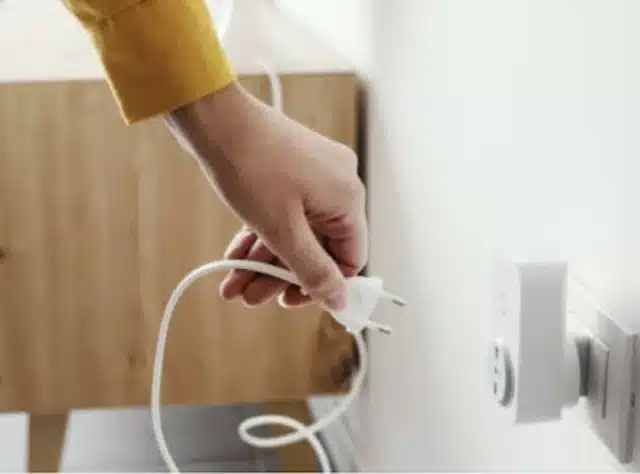
Does unplugging appliances save electricity? Yes, it does. Many electronics continue using small amounts of power even when they look turned off. This hidden electricity use is often called vampire power, phantom load, or standby power.
The U.S. Department of Energy explains that appliances and electronics can still use electricity while turned off or idle, especially when they wait for a remote signal, keep a clock running, or stay connected to a network. Lawrence Berkeley National Laboratory defines standby power as electricity consumed when devices are switched off or not performing their main function.
At first, the amount may seem tiny. However, when you add up televisions, game consoles, printers, chargers, coffee makers, microwaves, computers, speakers, cable boxes, and smart devices, the waste becomes noticeable. Some estimates place standby power around 5% to 10% of residential energy use.
So, unplugging appliances can save electricity. But the smartest approach is not to unplug everything in your home. Instead, focus on the biggest energy vampires and use practical tools like switched power strips, smart plugs, and better daily habits.
What Is Vampire Power?
Vampire power is the electricity used by devices that remain plugged in even when you are not actively using them.
This happens because many appliances never fully shut off. They stay in standby mode so they can respond quickly when you press a button, use a remote, open an app, or start a timer.
Common examples include:
- Televisions waiting for a remote signal
- Game consoles in instant-on mode
- Microwaves powering digital clocks
- Coffee makers with timers
- Laptop chargers left plugged in
- Desktop computers in sleep mode
- Printers waiting for wireless commands
- Cable boxes and streaming devices
- Smart speakers listening for wake commands
- Phone chargers plugged into the wall
Each device may use only a small amount of electricity. However, homes now contain more electronics than ever. As a result, small standby loads can quietly add up.
Why Appliances Use Electricity When Turned Off
Many modern devices are designed for convenience.
A television needs power to sense your remote. A microwave needs power to display the clock. A smart speaker needs power to stay connected to Wi-Fi. A printer may keep part of its system active so it can receive wireless print jobs.
In other words, “off” does not always mean truly off.
Sometimes it means “waiting.”
That waiting mode costs electricity.
How Much Money Can You Save?
The exact savings depend on your home, devices, electricity rate, and habits.
Some households may save only a small amount. Others may save much more, especially if they have many older electronics, entertainment systems, chargers, or devices in standby mode. ENERGY STAR-related guidance and energy efficiency sources often estimate that vampire power can cost households over $100 per year.
Even if your savings are modest, the habit is still worthwhile. You reduce waste, lower your bill, and use energy more intentionally.
Appliances You Should Unplug
Entertainment Devices
Your entertainment center is one of the best places to start.
Unplug or switch off:
- TVs not used daily
- DVD players
- Old stereos
- Gaming consoles
- Cable boxes in guest rooms
- Streaming sticks connected to rarely used TVs
Game consoles can be especially wasteful when left in instant-on mode. If you do not need automatic updates or quick startup, turn on energy-saving mode.
Chargers
Chargers can draw small amounts of power even when no device is attached.
Unplug:
- Phone chargers
- Laptop chargers
- Tablet chargers
- Electric toothbrush chargers
- Camera battery chargers
- Tool battery chargers
A single charger may not matter much. But a house full of plugged-in chargers creates unnecessary waste.
Small Kitchen Appliances
Many kitchen appliances use standby power because they include clocks, lights, timers, or digital controls.
Consider unplugging:
- Coffee makers
- Toasters
- Air fryers
- Blenders
- Rice cookers
- Electric kettles
- Countertop ovens
- Mixers
- Digital scales
You do not need to unplug appliances you use constantly. But if something sits unused most of the week, unplug it.
Home Office Equipment
Home offices often hide major vampire loads.
Unplug or power down:
- Printers
- Scanners
- Desktop monitors
- Speakers
- Docking stations
- External hard drives
- Old desktop computers
A switched power strip works well here. When the workday ends, flip one switch and cut power to multiple devices.
Appliances You Should Not Unplug Regularly
Some appliances should remain plugged in for safety, convenience, or proper function.
Do not routinely unplug:
- Refrigerators
- Freezers
- Medical equipment
- Smoke detectors
- Carbon monoxide alarms
- Security systems
- Internet routers, if needed
- Sump pumps
- Aquariums
- Essential smart home devices
You can unplug a refrigerator or freezer during cleaning, repair, or long-term storage. But for everyday energy savings, leave them plugged in.
The Best Solution: Power Strips
Switched power strips are one of the easiest ways to stop vampire power.
Instead of unplugging five devices one by one, plug them into one strip. Then turn off the strip when you finish using them.
Great places for power strips include:
- TV stands
- Gaming areas
- Home offices
- Craft rooms
- Guest rooms
- Charging stations
Smart power strips are even better. Some detect when a main device turns off and automatically cut power to connected accessories.
Smart Plugs Can Help Too
Smart plugs allow you to control outlets from your phone or set automatic schedules.
For example, you can schedule your coffee maker outlet to turn off after breakfast. You can turn off a printer overnight. You can cut power to holiday lights, lamps, or chargers after a certain hour.
However, smart plugs also use a tiny amount of electricity themselves. So use them where they solve a real problem, not everywhere.
How to Find Energy Vampires in Your Home
Walk room by room and look for devices that:
- Have glowing lights
- Show a digital clock
- Feel warm when not in use
- Use remote controls
- Stay connected to Wi-Fi
- Have large power adapters
- Are rarely used but always plugged in
These are your first targets.
You can also use a plug-in electricity monitor. These small meters show how much power a device uses while on, off, or in standby mode.
A Simple Room-by-Room Plan
Kitchen
Unplug small appliances after use. Keep essential appliances plugged in.
Living Room
Use a power strip for the TV, console, speakers, and streaming devices.
Bedroom
Unplug chargers, beauty tools, lamps, and unused electronics.
Office
Shut down computers fully when not needed. Use a power strip for accessories.
Garage
Unplug battery chargers, tools, radios, and seasonal equipment when not in use.
Does Unplugging Appliances Prevent Fires?
Unplugging some appliances can reduce risk, especially heat-producing devices.
Always unplug:
- Space heaters
- Irons
- Curling irons
- Hair straighteners
- Older electric blankets
- Damaged chargers
- Appliances with frayed cords
Energy savings are helpful, but safety matters even more.
Common Myths About Unplugging Appliances
Myth: Turning something off stops all power use.
Not always. Many devices still draw standby power.
Myth: Unplugging everything saves hundreds every month.
Usually, no. Savings are real, but they are often gradual.
Myth: Chargers use huge power when empty.
Most modern chargers use very little when idle. Still, unplugging them is a good habit.
Myth: You should unplug your refrigerator.
No. Refrigerators and freezers should stay plugged in.
Myth: Vampire power does not matter.
It matters because it is constant. Small waste repeated every day becomes real waste over time.
Final Thoughts
Does unplugging appliances save electricity? Yes.
However, you do not need to unplug your entire house every night. The smarter strategy is to target devices that waste energy while idle.
Start with entertainment systems, chargers, small kitchen appliances, home office equipment, and rarely used electronics. Use power strips to make the habit easy. Leave essential appliances plugged in.
Small changes may not feel dramatic at first. But over weeks and months, they reduce waste, lower your bill, and give you more control over your home’s energy use.
Vampire power is quiet, but it is not unbeatable. One switch, one plug, and one better habit at a time can make a real difference.
More The Crafty Nest
- The Mystery of Lobster’s Green Goodies: What That Green Stuff Really Is
- Which Sitting Position Matches Your Personality? What Your Posture May Reveal
- What Your Sleep Position Says About Your Personality: 6 Fascinating Sleep Styles
- What Does a Handshake Symbol on a Parking Space Mean? Here’s What You Should Know