There’s something naturally relaxing about standing on the shoreline and watching waves roll toward the sand. Most of us instinctively associate rough, crashing surf with danger and calm water with safety. It seems logical: fewer waves should mean easier swimming.
Unfortunately, the ocean doesn’t always work that way.
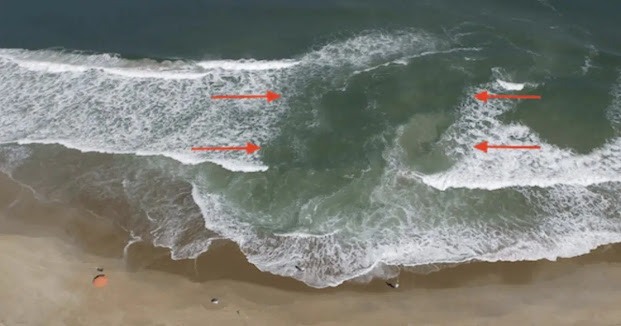
One of the most hazardous places along many beaches can actually appear surprisingly peaceful. A stretch of water where the waves suddenly disappear or seem much smaller than the surrounding surf may be signaling the presence of a rip current—a fast-moving channel of water flowing away from shore.
Every year, thousands of beachgoers around the world are rescued from rip currents, and many tragic drownings occur because people don’t recognize the warning signs. Learning what to look for could one day save your life or someone else’s.
The Misleading Calm That Catches People Off Guard
Imagine looking out over the ocean.
Most of the waves are breaking normally, creating white foam as they reach the beach.
Then you notice one section where the water looks smoother, darker, and almost inviting.
Many people naturally think:
“That looks like the easiest place to swim.”
In reality, that quiet-looking area may be the exact place you should avoid.
This smooth gap often marks a rip current—a concentrated stream of water that carries water away from the beach and back toward deeper ocean.
Because the water is flowing outward instead of piling up into breaking waves, the surface often appears calmer than the surrounding surf.
That deceptive appearance is exactly what makes rip currents so dangerous.
What Exactly Is a Rip Current?
When waves continuously push water onto the beach, all of that water eventually has to return to the sea.
Instead of flowing evenly back offshore, it sometimes funnels into a narrow channel.
That channel becomes a rip current.
Think of it like a river flowing through the ocean.
Instead of moving toward the shore, it flows away from it.
While many rip currents are only a few yards wide, they can move remarkably fast.
Some have been measured at speeds faster than an Olympic swimmer can sprint.
Why Rip Currents Are So Dangerous
The current itself doesn’t usually pull people underwater.
Instead, it carries swimmers farther from shore than they expect.
The real danger begins when panic sets in.
Most people instinctively try to swim directly back to the beach.
Unfortunately, that means swimming against a powerful current.
Even strong swimmers quickly become exhausted.
Fatigue, panic, and inhaling water often create the life-threatening situation—not necessarily the current itself.
Warning Signs You Can Spot From the Beach
Although rip currents aren’t always easy to identify, several visual clues can help.
A Break in the Waves
One of the most common signs is a narrow section where waves aren’t breaking while nearby waves are crashing normally.
That smooth channel deserves extra attention.
Darker or Murkier Water
Rip currents often stir sand from the ocean floor.
As a result, the water may appear darker, brownish, or cloudy compared to nearby areas.
Foam or Seaweed Moving Offshore
Watch floating objects carefully.
If foam, seaweed, or debris consistently drifts away from the beach instead of toward it, a rip current may be carrying them offshore.
An Unusually Smooth Surface
Sometimes the water almost resembles a river flowing through the surf.
The surface appears flatter than surrounding areas because the water is moving outward rather than breaking into waves.
Who Is Most at Risk?
Rip currents can affect anyone.
However, certain groups face greater danger, including:
- Inexperienced swimmers
- Children
- Tourists unfamiliar with local beaches
- People using inflatable toys
- Anyone swimming where there are no lifeguards
Even experienced swimmers should remain cautious, as ocean conditions can change rapidly.
What Should You Do If You’re Caught in a Rip Current?
Knowing the correct response can make all the difference.
Stay Calm
This is easier said than done, but panic wastes energy.
Rip currents usually do not pull people beneath the surface.
Their primary force moves outward, away from shore.
Don’t Fight the Current
Trying to swim directly back to the beach is the biggest mistake.
The current is often stronger than even excellent swimmers.
Instead of escaping, many people become exhausted.
Float If Necessary
If you’re unable to swim effectively, conserve energy.
Float on your back or tread water while keeping yourself above the surface.
Remaining calm gives rescuers more time to reach you.
Swim Parallel to the Shore
Rip currents are generally narrow.
Rather than swimming against them, swim parallel to the shoreline until you feel the current weaken.
Once you’re free of the strongest flow, begin swimming diagonally back toward the beach.
Signal for Help
If you’re struggling or becoming tired:
- Raise one arm.
- Wave for assistance.
- Call loudly if lifeguards or nearby swimmers can hear you.
Never be embarrassed to ask for help.
What If Someone Else Is Caught?
Your first instinct may be to jump into the water.
Rescue professionals strongly advise against this unless you have proper training.
Many would-be rescuers become victims themselves.
Instead:
- Alert a lifeguard immediately.
- Call emergency services if necessary.
- Throw the person a flotation device if one is available.
- Continue encouraging them to stay calm and float.
Helping from shore is often the safest and most effective response.
Understanding Beach Warning Flags
Many beaches use colored flags to communicate changing water conditions.
Although systems can vary slightly by location, common meanings include:
| Flag | Meaning |
|---|---|
| Double Red | Water closed to the public |
| Red | Dangerous surf or strong currents |
| Yellow | Moderate hazard; use caution |
| Green | Generally calm conditions |
| Purple | Dangerous marine life such as jellyfish or stingrays |
| No Flag | No lifeguard on duty; swim at your own risk |
Before entering the water, take a moment to look for posted flags and read any local safety information.
Additional Beach Safety Tips
Whether you’re an experienced swimmer or simply enjoying the shoreline, a few simple habits can greatly improve safety.
- Swim only at beaches with lifeguards whenever possible.
- Never swim alone.
- Stay close to shore if you’re not a confident swimmer.
- Avoid entering the water after consuming alcohol.
- Keep children within arm’s reach.
- Watch changing weather and surf conditions.
- Respect warning signs and posted closures.
- Wear a properly fitted life jacket during water activities if needed.
Ocean conditions can change within minutes, even on beautiful sunny days.
Frequently Asked Questions
Do rip currents always happen in the ocean?
No.
Although they’re most common along ocean beaches, similar currents can develop in large lakes where waves are strong enough to push water toward shore.
Can a rip current pull you underwater?
Not usually.
Rip currents mainly carry swimmers away from shore rather than downward.
The greatest danger comes from exhaustion, panic, and difficulty staying afloat.
Are rip currents always visible?
No.
Some are easy to spot, while others are nearly impossible to detect.
That’s why swimming near lifeguards is one of the safest choices.
Should I avoid beaches altogether?
Not at all.
Millions of people safely enjoy beaches every year.
Understanding how the ocean works simply helps you make smarter decisions and recognize situations that require extra caution.
Why You Should Never Assume Calm Water Is Safe at the Beach
A day at the beach is one of life’s simplest pleasures. The sound of waves, the warmth of the sun, and the refreshing ocean breeze make it the perfect place to relax with family and friends. Most people naturally believe that rough, crashing waves are the biggest danger, while calm water is the safest place to swim.
Surprisingly, the opposite can sometimes be true.
One of the most dangerous areas along the shoreline often appears peaceful, smooth, and almost inviting. A stretch of water where the waves suddenly disappear may actually be hiding a powerful rip current—a fast-moving stream of water capable of carrying even experienced swimmers away from shore.
Every year, rip currents are responsible for thousands of rescues and numerous drowning incidents worldwide. The good news is that understanding how they work and recognizing the warning signs can dramatically improve your safety.
Whether you’re an experienced swimmer or someone who simply enjoys dipping your feet into the water, knowing what to look for before entering the ocean could one day save your life.
A Calm Spot Isn’t Always a Safe Spot
Picture yourself standing on the beach, watching wave after wave roll toward the sand.
Most of the surf looks lively and energetic, with white foam breaking along the shoreline.
Then you notice one section where everything looks different.
The water there seems calmer.
The waves barely break.
It almost looks like the perfect place to swim.
Unfortunately, that quiet-looking area may be exactly where you shouldn’t enter the water.
This deceptively calm channel is often the visible sign of a rip current—a natural ocean phenomenon that deserves every beachgoer’s attention.
What Is a Rip Current?
A rip current is a narrow, fast-moving stream of water that flows away from the shore toward deeper water.
As waves continuously push water onto the beach, that water eventually needs to return to the ocean. Instead of flowing back evenly, it sometimes funnels through a narrow opening between sandbars or around structures such as piers and jetties.
The result is a concentrated current moving away from land.
Unlike crashing waves that immediately catch your attention, rip currents usually appear relatively smooth because the water is flowing outward instead of breaking toward shore.
That deceptive appearance often tricks people into entering them without realizing the danger.
Why Rip Currents Are So Dangerous
Many people believe rip currents pull swimmers underwater.
In reality, they usually don’t.
Instead, they carry swimmers farther away from shore.
The real danger begins when people panic.
Most swimmers instinctively try to fight the current by swimming directly back to the beach. Since the current can move faster than many people can swim, they quickly become exhausted.
Fatigue, panic, and inhaling water are what turn a frightening situation into a life-threatening emergency.
Even healthy adults and strong swimmers can struggle against a powerful rip current.
How Fast Can a Rip Current Move?
Rip currents are much stronger than most people imagine.
Some can reach speeds of approximately 8 feet (2.4 meters) per second, making them faster than an Olympic swimmer over short distances.
Fortunately, they are usually narrow rather than extremely wide, which is why understanding how to escape them is so important.
How to Recognize a Rip Current Before You Enter the Water
Learning to spot a rip current is one of the most valuable beach safety skills anyone can develop.
A Gap Between Breaking Waves
One of the easiest warning signs is a section where waves seem to stop breaking while waves on either side continue crashing normally.
This calm-looking gap often marks the path of a rip current.
Darker or Murky Water
Because the current stirs up sand from the seabed, the water may appear darker, cloudy, or brown compared to nearby areas.
Foam Moving Away From Shore
Watch floating seaweed, bubbles, or foam carefully.
If they are steadily drifting away from the beach rather than washing back in with the waves, a rip current may be carrying them offshore.
A Smooth, River-Like Surface
Sometimes the water appears almost like a river flowing through the surf.
While the surrounding waves are turbulent, the rip current itself may look surprisingly flat and calm.
These visual clues aren’t always obvious, but taking a few moments to observe the water before swimming can help you identify potential hazards.
Beaches With Lifeguards Are the Safest Choice
Whenever possible, choose beaches monitored by trained lifeguards.
Lifeguards continuously observe ocean conditions and can often identify dangerous currents long before visitors notice them.
If you’re unsure whether an area is safe for swimming, don’t hesitate to ask.
A simple question can prevent a dangerous situation.
What Should You Do If You Get Caught in a Rip Current?
Despite all precautions, accidents can happen.
If you ever find yourself being pulled away from shore, remember these important steps.
Stay Calm
Although it’s frightening, panic makes the situation much worse.
Try to control your breathing and conserve your energy.
Don’t Swim Directly Toward the Beach
This is the mistake that causes many people to become exhausted.
Instead of fighting the current head-on, remember that rip currents are usually much narrower than they are long.
Swim Parallel to the Shore
Move sideways—either left or right—until you escape the strongest part of the current.
Once you no longer feel yourself being pulled outward, begin swimming diagonally back toward the beach.
Float If Necessary
If you’re too tired to swim, float on your back or tread water.
Many rip currents weaken once they move beyond the line of breaking waves.
Remaining calm helps conserve energy until you can safely return or be rescued.
Signal for Help
If you’re struggling, wave one arm and call loudly for assistance.
Lifeguards and nearby beachgoers are much more likely to notice someone signaling clearly than someone silently struggling in the water.
(Continued in Part 2…)
part 2
What If You See Someone Else Caught in a Rip Current?
Watching someone struggle in the water is frightening, and your first instinct may be to jump in and help. However, rescue experts strongly advise against entering the water unless you are trained in water rescue.
Many attempted rescues end with two victims instead of one.
If you notice someone being carried away from shore:
- Alert the nearest lifeguard immediately.
- Call emergency services if no lifeguards are present.
- Throw the person a flotation device, life ring, cooler, or anything that floats if you can do so safely.
- Encourage them to remain calm and swim parallel to the shoreline rather than directly toward the beach.
Helping from land is often the safest and most effective way to assist.
Understanding Beach Warning Flags
Many public beaches use a color-coded flag system to communicate water conditions. Learning these colors before entering the ocean can help you make safer decisions.
| Flag Color | Meaning |
|---|---|
| 🔴🔴 Double Red | Water closed to the public. Entering is prohibited because conditions are extremely dangerous. |
| 🔴 Red | High hazard. Strong waves or dangerous currents are present. |
| 🟡 Yellow | Moderate hazard. Swim with caution. |
| 🟢 Green | Generally calm conditions, though normal care is still necessary. |
| 🟣 Purple | Dangerous marine life such as jellyfish, stingrays, or other hazardous sea creatures has been observed. |
| ⚪ No Flag | No lifeguard is on duty. You are swimming at your own risk. |
Always remember that even a green flag does not guarantee complete safety. Ocean conditions can change quickly due to tides, weather, and underwater terrain.
Extra Safety Tips for Every Beach Visit
You don’t need to fear the ocean, but you should always respect it.
Following a few simple habits can greatly reduce your risk.
Swim Near Lifeguards
Whenever possible, choose beaches with professional lifeguards on duty.
Statistics consistently show that beaches monitored by lifeguards are significantly safer than unguarded areas.
Never Swim Alone
Swimming with a friend means someone is available to call for help if an emergency occurs.
Children should always remain under close adult supervision, even in shallow water.
Stay Within Your Abilities
If you are not a confident swimmer, avoid deep water.
Remember that the ocean floor can suddenly drop away, even close to shore.
There is absolutely no shame in staying where you feel comfortable.
Wear a Life Jacket When Appropriate
If you’re boating, paddleboarding, kayaking, or simply aren’t a strong swimmer, a properly fitted life jacket provides an extra layer of protection.
Inflatable toys, pool noodles, and water wings should never be considered life-saving devices.
Never Turn Your Back on the Ocean
Unexpected waves can arrive with surprising force.
Even people standing near the shoreline have been knocked over by larger-than-expected waves.
Remain aware of your surroundings at all times.
Avoid Swimming During Storms
Strong winds, lightning, and changing tides can quickly transform safe conditions into dangerous ones.
If weather begins to deteriorate, leave the water immediately.
Common Myths About Rip Currents
Because rip currents are often misunderstood, several myths continue to circulate.
Myth: Rip currents pull people underwater.
Reality: Rip currents primarily carry swimmers away from shore, not downward. Panic and exhaustion are usually the greatest dangers.
Myth: Only weak swimmers get caught.
Reality: Even highly experienced swimmers, surfers, and athletes have been caught in rip currents.
Strength alone is not enough to overcome a powerful current.
Myth: Calm water is always safer.
Reality: A calm-looking gap between breaking waves is often one of the strongest warning signs of a rip current.
This is why observing the water before entering is so important.
Myth: Rip currents exist only in the ocean.
Reality: Similar currents can also occur in large lakes with significant wave activity, including some of the Great Lakes.
Frequently Asked Questions
How common are rip currents?
Rip currents occur on beaches around the world and are especially common where waves break over sandbars or around structures such as piers and jetties.
Can children get caught in rip currents?
Yes.
Because children are smaller and lighter, they may be carried offshore more quickly than adults. They should always remain under close supervision near the water.
How long does a rip current last?
Some last only a few minutes, while others can persist for several hours depending on tides, wind, and wave conditions.
Can you completely avoid rip currents?
Not entirely.
However, swimming at beaches with lifeguards, observing ocean conditions before entering, and avoiding suspicious calm channels greatly reduce your risk.
Respect the Ocean, Don’t Fear It
The ocean is one of nature’s most beautiful places, but it also deserves respect.
Understanding how rip currents work doesn’t mean you should avoid the beach—it means you’re better prepared to enjoy it safely.
Take a few moments to study the waves before entering the water. Notice whether one section looks unusually calm, darker, or carries foam steadily away from shore. If something doesn’t seem right, trust your instincts and choose another location.
Simple awareness can make a tremendous difference.
The next time you visit the coast, remember this important lesson:
Sometimes the most dangerous place in the water is also the one that looks the safest.
By learning to recognize rip currents, paying attention to warning flags, swimming near lifeguards, and knowing how to respond in an emergency, you’ll be better equipped to protect yourself and those around you.
A relaxing day at the beach should end with wonderful memories—not an avoidable tragedy.
Take a moment to look before you swim. That small habit could one day save a life.
Final Thoughts
The ocean is beautiful, powerful, and constantly changing. While calm-looking water may seem inviting, appearances can sometimes be misleading. A quiet gap between breaking waves may actually signal a rip current—one of the most common hazards found on beaches around the world.
By learning how to recognize the warning signs, understanding what to do if caught in a current, and following basic beach safety practices, you can greatly reduce your risk while still enjoying everything the coast has to offer.
The next time you’re walking along the shoreline, take a moment to observe the waves before entering the water. That simple habit could make all the difference.
More The Crafty Nest
- The Mystery of Lobster’s Green Goodies: What That Green Stuff Really Is
- Which Sitting Position Matches Your Personality? What Your Posture May Reveal
- What Your Sleep Position Says About Your Personality: 6 Fascinating Sleep Styles
- What Does a Handshake Symbol on a Parking Space Mean? Here’s What You Should Know