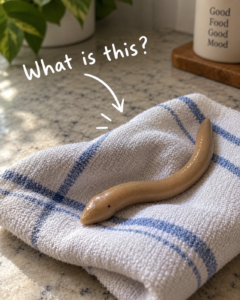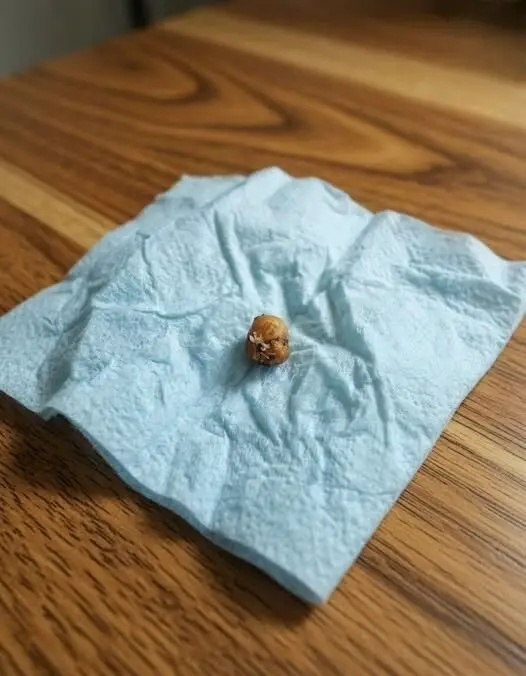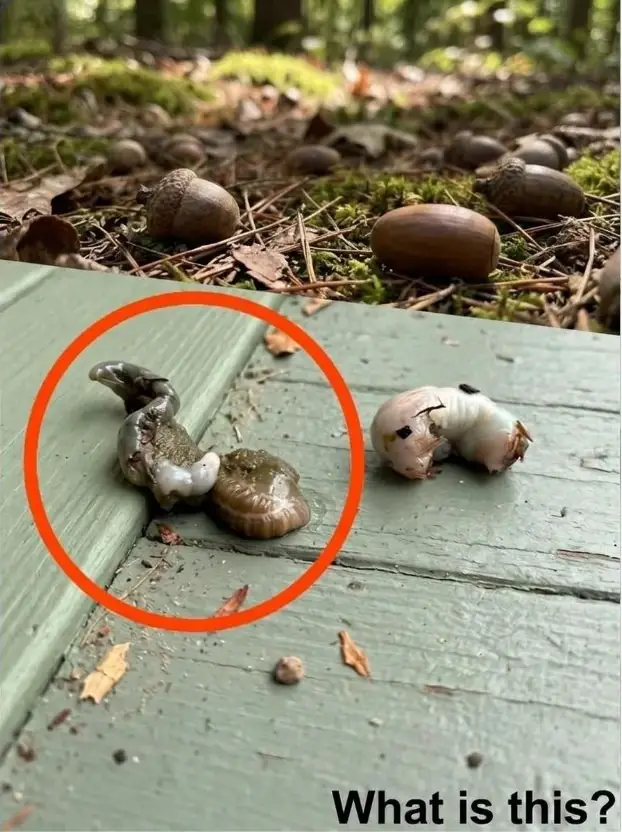
At first glance, the strange white, curled creature in the photo looks almost alien. Many people assume it’s some kind of parasite, unusual insect, or even something dangerous. However, the real answer surprises almost everyone the first time they learn it.
What you’re actually seeing is most likely an acorn weevil larva—a harmless little grub that develops inside acorns before eventually crawling out.
Although the sight can feel unsettling at first, this tiny creature plays an important role in forest ecosystems and is far more fascinating than frightening.
The photo and explanation shared online describe the surprising life cycle of these insects in detail.
What Exactly Is an Acorn Weevil?
Acorn weevils are small beetles belonging to the Curculio genus, known for their long snouts and unusual reproductive habits.
Female weevils drill tiny holes into developing acorns using their elongated mouthparts. Inside the acorn, they lay eggs that eventually hatch into larvae.
The larvae then spend weeks feeding safely inside the nut, protected from predators and harsh weather conditions.
As they grow larger, they consume much of the acorn’s interior. Once mature enough, they chew their way out and drop to the ground, where they burrow into soil to continue developing.
That dramatic moment—when the grub emerges from the acorn—is exactly what shocks many people online.
Why the Larva Looks So Strange
The grub’s appearance often triggers strong reactions because most people rarely see insects at this stage of development.
Acorn weevil larvae are:
- Creamy white or pale gray
- Legless
- Curved into a C-shape
- Soft-bodied
- Slightly translucent
Because they develop hidden inside acorns, people usually only notice them once they emerge unexpectedly.
Finding one inside an acorn collected outdoors can feel startling if you do not know what it is beforehand.
Fortunately, these larvae are harmless to humans and pets.
Are Acorn Weevils Dangerous?
Despite their unusual appearance, acorn weevil larvae are not dangerous.
They:
- Do not bite
- Do not sting
- Do not spread disease
- Do not infest homes like termites
- Do not parasitize humans or animals
Their entire life cycle revolves around oak trees and acorns.
Although they damage some acorns by feeding inside them, they are considered a natural part of woodland ecosystems.
In fact, many forest animals—including birds and squirrels—eat both acorns and the larvae inside them as valuable food sources.
Why Some Acorns Have Tiny Holes
If you have ever picked up acorns with tiny round holes, acorn weevils are often the reason.
The holes appear when mature larvae chew their escape route out of the shell before dropping into the soil below.
Not every damaged acorn contains a live larva by the time you find it. Sometimes the insect has already left long before.
People collecting acorns for crafts, decoration, or planting often discover this surprise accidentally weeks later when larvae emerge indoors.
The Acorn Weevil Life Cycle
The life cycle of an acorn weevil is surprisingly complex.
Step 1: Egg Laying
Adult female weevils pierce young acorns and deposit eggs inside.
Step 2: Larval Growth
The larvae hatch and feed safely within the acorn while the nut develops.
Step 3: Escape
Once mature, the grub chews a hole through the shell and exits.
Step 4: Burrowing Underground
The larva enters the soil, where it remains for months or sometimes even years before transforming into an adult beetle.
Step 5: Adult Emergence
Adult weevils eventually emerge to repeat the cycle during future acorn seasons.
Nature often hides surprisingly complicated life cycles inside ordinary objects people overlook every day.
Why People Online React So Strongly
Photos of acorn weevil larvae frequently go viral because they trigger curiosity and confusion immediately.
Many people initially guess:
- Parasite
- Alien creature
- Mutated insect
- Worm
- Dangerous pest
The contrast between an innocent-looking acorn and the hidden creature inside creates instant surprise.
However, once people learn the truth, reactions often shift from fear to fascination.
It serves as a reminder that forests and natural ecosystems contain countless hidden relationships most people never notice.
Can You Prevent Them?
If you collect acorns indoors for decoration or planting, you can reduce the chance of larvae emerging later.
One common method involves soaking acorns in warm water briefly. Floating acorns are often damaged or infested, while healthy ones usually sink.
Some people also freeze collected acorns for several days before storing them indoors.
Still, finding a larva occasionally is completely normal if acorns come directly from nature.
A Small Creature With a Big Ecological Role
Although acorn weevils may seem strange, they contribute to natural forest balance in important ways.
They help:
- Recycle nutrients
- Feed wildlife
- Influence oak tree reproduction
- Support biodiversity
Nature rarely wastes anything. Even tiny grubs hidden inside acorns become part of larger food chains and ecological cycles.
Final Thoughts
The mysterious creature in the photo may look shocking at first, but it is simply an acorn weevil larva carrying out one small part of an ancient natural process.
Far from being dangerous, these insects are harmless forest inhabitants that spend much of their lives hidden inside acorns before emerging to continue their development underground.
Sometimes the most surprising discoveries are not frightening at all—they are simply reminders of how much unseen life exists all around us.
And once you know the answer, those strange little holes in fallen acorns suddenly make perfect sense.
More Home Remedies
- Wrinkled Fingers After Water Exposure: What Your Skin May Be Telling You
- Skin Rash With Breathing Trouble? It Could Be a Life-Threatening Allergic Reaction
- I Thought It Was a Piece of Trash on the Bathroom Floor—Until It Moved
- If You Are Getting White Pimples on Your Lips or Intimate Area, Here’s What They Could Mean