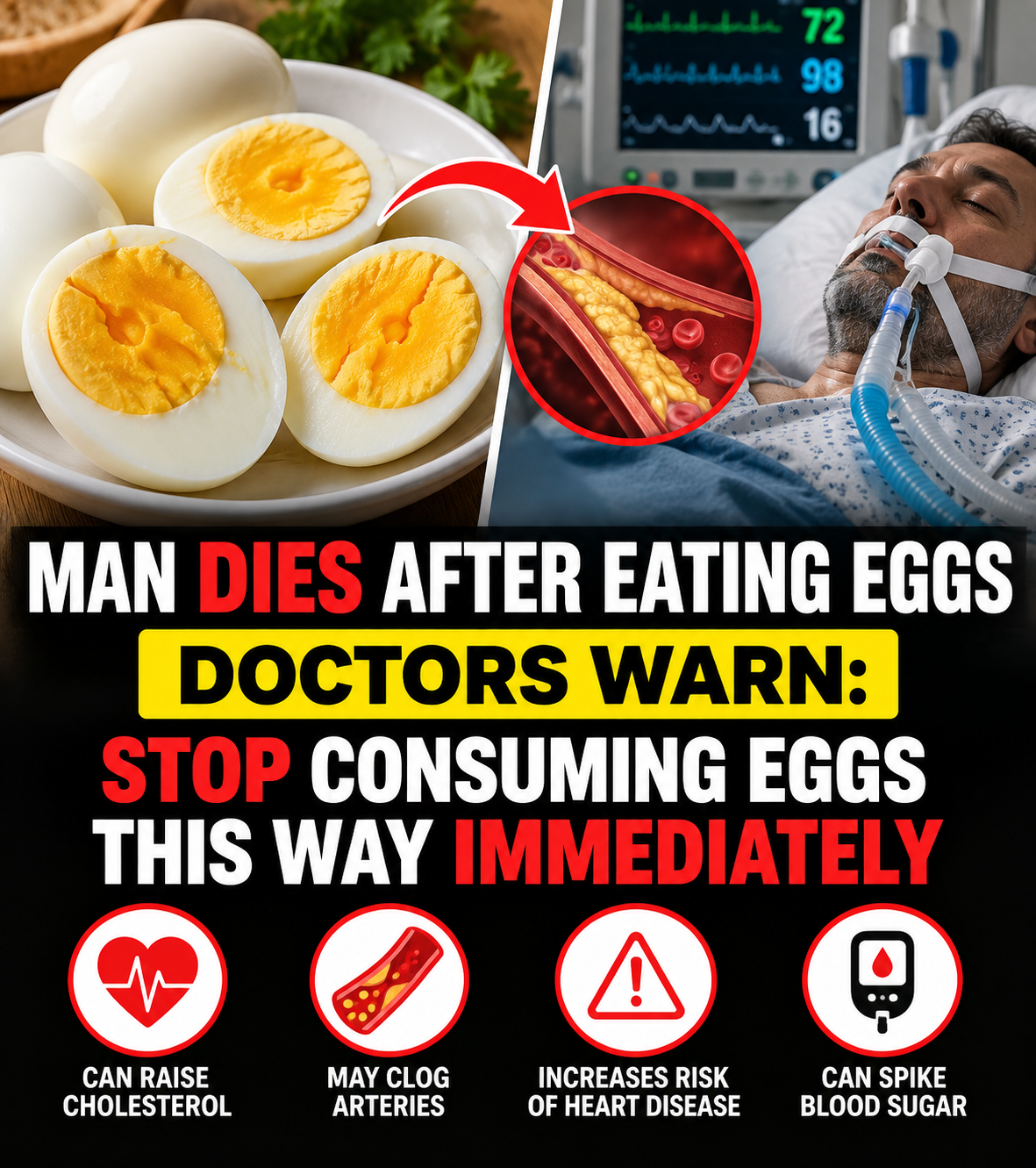
Can Eating Eggs the Wrong Way Really Be Dangerous? The short answer is yes, but the danger usually comes from unsafe handling, storage, or undercooking rather than from eggs themselves. Eggs remain a nutrient-dense, versatile food, yet raw or lightly cooked eggs can sometimes carry harmful bacteria such as Salmonella. Therefore, a few basic kitchen habits make a meaningful difference.
The safest approach starts before the pan gets hot. Choose clean, uncracked eggs from a refrigerated case, take them home promptly, and keep them cold. Then wash your hands and work surfaces after handling raw eggs. Finally, cook ordinary shell eggs thoroughly unless you use pasteurized eggs for a recipe that remains raw or lightly cooked. The FDA advises cooking eggs until both the yolk and white are firm and cooking egg-containing dishes thoroughly.
I remember making breakfast one morning and noticing a hairline crack in an egg just before I dropped it into the pan. For a moment, I considered using it because throwing food away felt wasteful. Then I realized how easy it was to replace one egg compared with dealing with foodborne illness. That tiny decision made me think differently about egg safety. Most precautions require almost no extra effort. Refrigerating eggs properly, checking the shells, washing your hands, and cooking them well can become automatic. Since then, I have treated egg safety as a simple routine rather than something to worry about.
Why Egg Safety Matters More Than Most People Realize
Raw and Undercooked Eggs Can Carry Salmonella
Can Eating Eggs the Wrong Way Really Be Dangerous? becomes easier to understand once you separate normal egg nutrition from food-safety risk.
Eggs themselves are not inherently dangerous. However, some shell eggs can become contaminated with Salmonella. Because you cannot reliably identify contamination by appearance, smell, or taste, safe handling matters even when an egg looks perfectly normal.
The FDA requires safe-handling instructions for shell eggs that have not received treatment specifically designed to destroy Salmonella. Those instructions tell consumers to keep eggs refrigerated, cook them until the yolks become firm, and thoroughly cook foods containing eggs.
This risk matters most with preparations that leave the egg raw or partially cooked.
Examples include homemade mayonnaise made with ordinary raw eggs, some Caesar dressings, certain homemade ice creams, raw cookie batter, traditional eggnog, and sauces that may not heat the egg sufficiently.
Fortunately, you do not have to abandon those foods completely.
Instead, use pasteurized shell eggs or pasteurized egg products when a recipe will remain raw or lightly cooked. The FDA specifically recommends pasteurized eggs or egg products for foods such as Caesar dressing, mayonnaise, eggnog, ice cream, and other dishes that do not receive thorough cooking.
That substitution lets you keep the texture of the original recipe while reducing risk.
Refrigeration Slows Bacterial Growth
Temperature plays another important role.
After buying eggs, store them promptly in a refrigerator set to 40°F or below. The FDA recommends keeping shell eggs in their original carton and using them within about three weeks for best quality.
The USDA also advises storing eggs in the coldest part of the refrigerator rather than in the refrigerator door. Temperatures fluctuate more around the door because people open it repeatedly.
Therefore, the main shelf usually provides a more stable environment.
Avoid leaving eggs or cooked egg dishes at room temperature for long periods.
The USDA advises against keeping eggs out of refrigeration for more than two hours.
Likewise, refrigerate cooked egg dishes promptly.
That rule becomes especially important at brunches, picnics, holiday buffets, and large gatherings where egg dishes may sit on the table longer than expected.
Cracked shells deserve attention too.
Do not buy eggs with cracked shells. Bacteria can enter through those openings. The USDA specifically recommends choosing clean, uncracked eggs from refrigerated cases.
These precautions sound simple because they are.
Yet they address the major ways bacteria can grow or move from raw eggs to other foods.
How to Cook Eggs More Safely at Home
Cook Ordinary Shell Eggs Until the Yolks and Whites Are Firm
Can Eating Eggs the Wrong Way Really Be Dangerous? often comes up when people discuss runny yolks.
The safest general guidance from the FDA remains clear: cook shell eggs until both the whites and yolks become firm. Scrambled eggs should also cook until they no longer look runny.
For casseroles and other dishes containing eggs, the FDA recommends an internal temperature of 160°F.
That guidance gives beginners a straightforward rule to follow.
If you enjoy recipes that traditionally contain runny or undercooked eggs, pasteurized eggs provide a safer option.
The risk from an individual soft-cooked egg may be relatively small, but “small” does not mean nonexistent. Consequently, people who want the lowest practical food-safety risk should follow the firm-yolk guidance or use pasteurized eggs.
High-risk individuals should take special care.
Pregnant people, young children, older adults, and people with weakened immune systems can face more serious consequences from foodborne infections. FDA guidance for pregnancy specifically recommends thoroughly cooked eggs and pasteurized products when recipes would otherwise contain raw or partially cooked eggs.
So, instead of treating soft yolks as automatically safe for everyone, match the cooking method to the eater’s risk level.
Prevent Cross-Contamination While You Cook
Cooking temperature solves only part of the problem.
Raw egg can also contaminate hands, utensils, bowls, counters, and other foods.
Therefore, wash your hands with warm, soapy water before and after handling raw eggs. Clean utensils, equipment, and work surfaces after they contact raw egg as well.
Do not place ready-to-eat food onto a plate that held raw egg unless you wash it thoroughly first.
Likewise, keep raw eggs separate from foods you plan to eat without further cooking.
These habits matter when making scrambled eggs, breading chicken, baking, or preparing desserts.
For example, after cracking eggs into a mixing bowl, do not immediately grab fresh fruit with egg-coated fingers.
Instead, wash your hands first.
The same principle applies to raw cookie dough.
The source material focuses on raw eggs, but raw flour can also create food-safety concerns. Therefore, eating uncooked dough generally creates avoidable risk even when the eggs themselves have been pasteurized.
Clean preparation also becomes important when separating yolks from whites.
Avoid repeatedly passing the yolk between shell halves if you want to minimize contact between the edible egg and the outside shell.
A clean egg separator or clean hands can offer a simpler method.
Ultimately, Can Eating Eggs the Wrong Way Really Be Dangerous? has a practical answer: careless preparation can increase risk, but basic hygiene sharply improves safety.
Common Egg Myths That Cause Unnecessary Fear
A Green Ring Around a Hard-Boiled Egg Does Not Mean It Spoiled
A greenish-gray ring around a hard-cooked egg can look alarming.
However, it usually results from a chemical reaction that occurs when eggs cook too long or cool too slowly.
Sulfur from the egg white can react with iron in the yolk, producing the discolored ring.
The color may look unappealing, but it does not automatically mean the egg has spoiled.
Therefore, you do not need to throw away an otherwise safely stored hard-boiled egg just because you see that ring.
You can reduce the discoloration by avoiding excessive cooking and cooling cooked eggs promptly.
Food safety after cooking depends more on storage time and temperature.
The FDA says hard-cooked eggs, whether peeled or still in the shell, should be used within one week after cooking.
The USDA gives the same general one-week refrigerator guidance for hard-cooked eggs.
Other cooked egg dishes have a shorter recommended refrigerator window.
FDA guidance recommends refrigerating leftover cooked egg dishes and using them within three to four days.
So, appearance alone should not guide every food-safety decision.
Instead, consider how long the food has been stored, whether it remained refrigerated, and whether you handled it safely.
Overcooking Does Not Make Eggs Healthier
Some people assume that cooking an egg longer automatically makes it more nutritious or safer.
Once an egg has reached safe doneness, extra cooking does not create additional health benefits.
Instead, excessive heat usually changes texture and flavor.
Egg whites can become rubbery.
Yolks can become dry and chalky.
Hard-boiled eggs can develop that green-gray ring.
Therefore, the goal involves cooking eggs adequately rather than endlessly.
At the other extreme, recipes that contain raw egg deserve more caution.
If a dish needs the texture of raw or minimally cooked egg, pasteurized eggs provide the best compromise between culinary results and food safety.
Can Eating Eggs the Wrong Way Really Be Dangerous? should not turn into fear of eggs.
Instead, it should encourage sensible handling.
The FDA’s recommendations focus on refrigeration, clean preparation, adequate cooking, and pasteurized products when needed.
Those steps cover most everyday situations.
You do not need elaborate equipment.
You do not need to wash eggs before refrigerating them.
And you do not need to cook every egg until it becomes dry and unpleasant.
You simply need to use the right technique for the preparation you plan to make.
How to Store, Serve, and Enjoy Eggs With Confidence
Follow Simple Refrigerator and Leftover Rules
Can Eating Eggs the Wrong Way Really Be Dangerous? also depends on what happens after cooking.
Cooked egg dishes should not remain at room temperature for extended periods.
The FDA recommends refrigerating or freezing eggs and other perishables within two hours. If outside temperatures rise above 90°F, that window drops to one hour.
That rule matters during summer cookouts and outdoor brunches.
Egg salad, quiche, breakfast casseroles, deviled eggs, and other dishes can warm quickly when left outside.
At home, store leftovers in shallow containers so they cool efficiently.
Then use cooked egg dishes within three to four days.
Hard-boiled eggs last longer.
Use them within one week when refrigerated properly.
When reheating cooked egg dishes, heat them thoroughly.
The FDA advises reheating previously cooked egg-containing foods to 165°F before serving.
These timelines make meal planning easier.
For example, you can prepare a breakfast casserole ahead, refrigerate leftovers promptly, and safely enjoy portions over the next few days.
Likewise, you can batch-cook hard-boiled eggs for lunches and snacks as long as you keep them chilled and use them within the recommended period.
Eggs Can Still Fit Into a Balanced Diet
Food-safety warnings sometimes make eggs sound more threatening than they are.
That framing misses the bigger picture.
Eggs remain a practical, nutrient-dense food that many people can enjoy as part of a balanced eating pattern.
They provide high-quality protein and several vitamins and minerals.
The source material also highlights nutrients such as vitamin A, vitamin D, vitamin B12, riboflavin, selenium, and choline.
However, nutrition needs vary, particularly for people managing specific medical conditions.
Therefore, anyone who has received personalized dietary guidance should follow that advice rather than applying a general egg recommendation to themselves.
For most households, the more immediate concern involves handling rather than fear.
Buy refrigerated eggs with intact shells.
Store them at 40°F or below.
Wash hands and surfaces after contact with raw egg.
Cook ordinary eggs thoroughly.
Choose pasteurized eggs when a recipe remains raw or undercooked.
Refrigerate leftovers promptly.
Those habits allow you to enjoy scrambled eggs, omelets, casseroles, baked goods, hard-boiled eggs, and countless other dishes with much more confidence.
Frequently Asked Questions
Can Eating Eggs the Wrong Way Really Be Dangerous?
Yes. Raw or undercooked eggs can carry Salmonella, and poor refrigeration or cross-contamination can increase food-safety risk. Proper storage, clean handling, and thorough cooking reduce that risk.
Is it safe to eat eggs with runny yolks?
FDA guidance recommends cooking ordinary shell eggs until both the yolk and white are firm. If you want a preparation that stays runny or lightly cooked, pasteurized eggs provide a safer choice.
How cold should eggs stay in the refrigerator?
Keep eggs refrigerated at 40°F or below. Store them promptly after purchase and preferably in their original carton.
How long do cooked eggs last in the refrigerator?
Hard-cooked eggs should be used within one week. Other cooked egg dishes generally should be eaten within three to four days when refrigerated properly.
Does a green ring around a hard-boiled yolk mean the egg is spoiled?
No. The discoloration usually comes from a harmless reaction between sulfur and iron caused by prolonged cooking or slow cooling. Storage time and temperature matter more when deciding whether a cooked egg remains safe to eat.
Conclusion
Can Eating Eggs the Wrong Way Really Be Dangerous? Yes, but the real lesson is much less frightening than alarming online claims sometimes suggest.
Eggs themselves do not suddenly become dangerous because you cooked them in the “wrong” pan or ate them at a certain time of day.
The meaningful risks come from contamination, inadequate refrigeration, poor hygiene, and eating ordinary shell eggs raw or undercooked.
Fortunately, the safest practices remain simple.
Choose refrigerated eggs with clean, uncracked shells.
Store them at 40°F or below.
Wash your hands, utensils, and work surfaces after handling raw eggs.
Cook eggs until the whites and yolks become firm, and cook casseroles and other egg dishes thoroughly.
When you make foods that traditionally contain raw or lightly cooked eggs, use pasteurized shell eggs or pasteurized egg products instead.
Then refrigerate cooked dishes promptly and use leftovers within the recommended window.
Hard-boiled eggs can stay refrigerated for up to one week, while most other cooked egg dishes should be used within three to four days.
Most importantly, do not let food-safety advice turn into unnecessary fear.
Eggs remain a versatile food that can fit comfortably into many balanced diets.
You simply need to respect the same basic principles that apply to other perishable foods: keep them cold, keep preparation clean, cook them appropriately, and store leftovers correctly.
Once those habits become routine, enjoying eggs safely becomes straightforward.
More Home Remedies
- Wrinkled Fingers After Water Exposure: What Your Skin May Be Telling You
- Skin Rash With Breathing Trouble? It Could Be a Life-Threatening Allergic Reaction
- I Thought It Was a Piece of Trash on the Bathroom Floor—Until It Moved
- If You Are Getting White Pimples on Your Lips or Intimate Area, Here’s What They Could Mean