5 Simple Natural Home Remedies to Help Prevent Cavities and Support Healthy Teeth can make your daily oral care routine feel easier, more natural, and more consistent. Still, the most important foundation remains simple: brush twice daily with fluoride toothpaste, clean between your teeth once daily, limit frequent sugar exposure, and visit your dentist regularly. The American Dental Association recommends brushing twice a day with fluoride toothpaste and cleaning between teeth daily, while the World Health Organization links cavity risk to free sugars, inadequate fluoride exposure, and poor plaque removal.
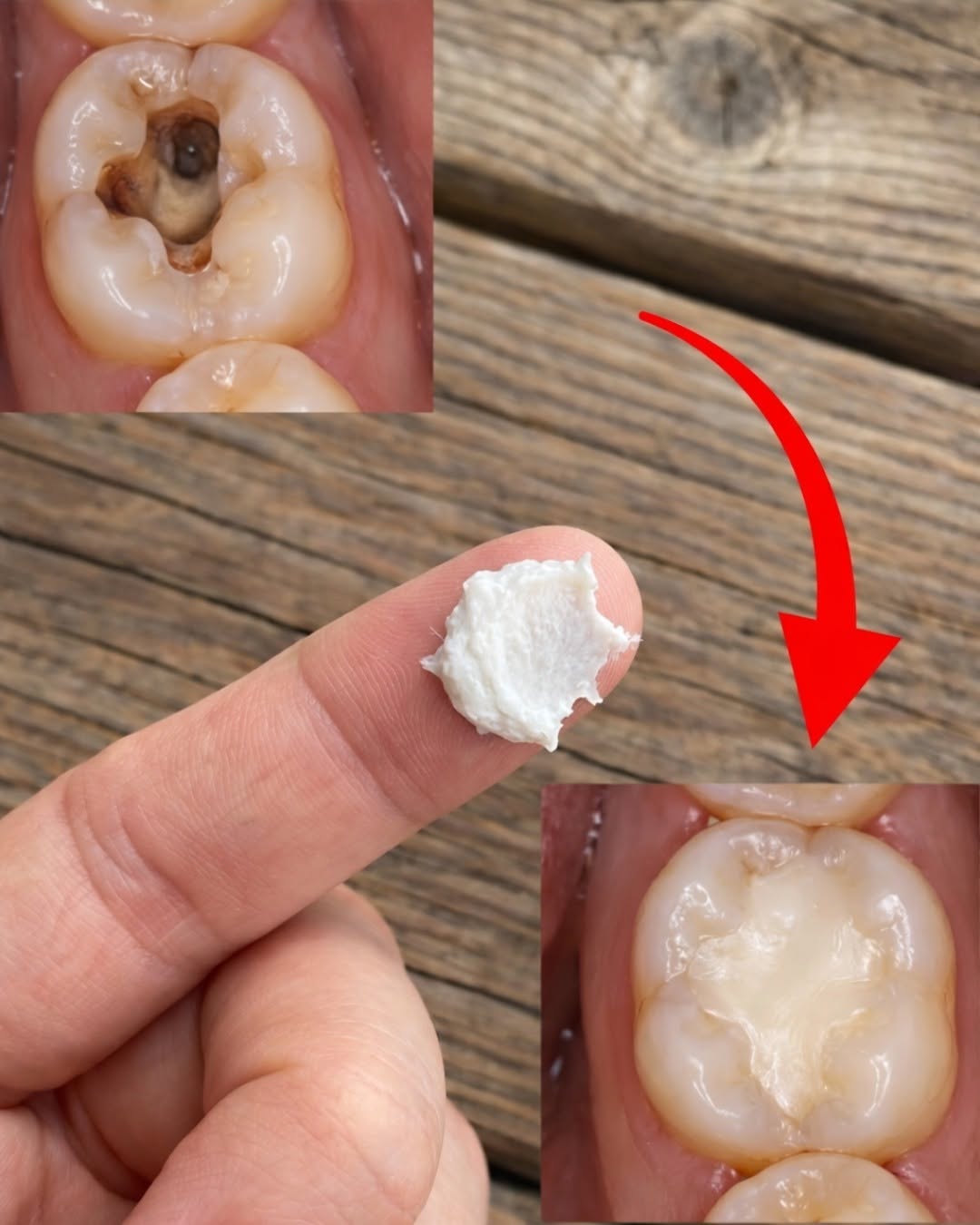
Natural habits can help support your mouth, but they do not reverse deep cavities, remove tartar, or replace professional dental care. Instead, they work best as small, supportive steps that reduce sugar exposure, increase saliva, and help create a healthier oral environment.
I once thought healthy teeth depended only on brushing harder. However, after a painful dental visit, I learned that my daily habits mattered just as much as my toothbrush. I started drinking unsweetened green tea, chewing sugar-free gum after meals, eating crunchy vegetables, and choosing cheese instead of candy when cravings hit. These changes felt small, yet they made my routine easier to maintain. Over time, my mouth felt cleaner between brushings, and I became more aware of how often sugar touched my teeth. That simple shift helped me treat dental care as a daily habit, not a last-minute emergency.
Why Natural Oral Care Works Best With Modern Dental Habits
The Real Goal Is Prevention
Cavities form when bacteria in plaque feed on sugars and produce acids that weaken enamel. Therefore, prevention focuses on reducing sugar exposure, removing plaque, supporting saliva, and strengthening enamel with fluoride.
Because enamel cannot fully regrow once a cavity becomes established, early prevention matters. This is why natural remedies should support proven care rather than replace it.
Fluoride toothpaste remains one of the most important tools because fluoride helps protect enamel from acid attacks. In addition, flossing removes plaque from areas a toothbrush cannot reach.
Saliva Is Your Mouth’s Natural Defense
Saliva helps wash away food particles, neutralize acids, and support enamel repair. For that reason, habits that increase saliva can help lower cavity risk.
Chewing sugar-free gum, eating fibrous vegetables, and staying hydrated all support saliva flow. The ADA notes that chewing sugar-free gum can increase saliva and may help reduce cavity risk when added to brushing with fluoride toothpaste and daily cleaning between teeth.
5 Simple Natural Home Remedies That Support Healthy Teeth
1. Drink Unsweetened Green Tea
Green tea contains plant compounds called catechins. These compounds may help reduce bacteria activity and support gum health. However, the key is to drink it without sugar, honey, or sweet syrups.
Try 1 to 2 cups daily. If caffeine bothers you, choose decaffeinated green tea. Also, rinse with water afterward if tea stains concern you.
Because sweet drinks feed cavity-causing bacteria, unsweetened green tea makes a better choice than soda, juice, or sweet coffee drinks.
2. Eat Crunchy Raw Vegetables
Carrots, celery, cucumber, and apples can help stimulate saliva through chewing. They also add fiber and reduce the urge to snack on sticky sweets.
Although crunchy foods do not replace brushing, they can help your mouth feel cleaner after meals. For best results, eat them at the end of lunch or dinner.
Celery sticks with plain yogurt dip, carrot sticks with hummus, or apple slices with cheese make simple snack options.
3. Choose Cheese or Plain Yogurt After Meals
Cheese and plain yogurt provide calcium and phosphorus, two minerals that support tooth structure. Cheese also helps stimulate saliva and may raise mouth pH after eating.
Choose low-sugar dairy options. Plain yogurt works better than flavored yogurt because many flavored varieties contain added sugar.
If you avoid dairy, choose calcium-fortified unsweetened alternatives and focus on other saliva-friendly habits.
4. Use Xylitol Gum Carefully
Xylitol is a sugar alcohol used in some sugar-free gums and mints. Unlike regular sugar, oral bacteria do not use xylitol in the same way to produce enamel-damaging acids.
Evidence on xylitol is mixed. Cochrane found limited evidence overall, though some evidence suggested fluoride toothpaste with xylitol may reduce tooth decay more than fluoride toothpaste alone in children’s permanent teeth.
Still, xylitol gum can be useful after meals because chewing increases saliva. Look for gum where xylitol appears near the top of the ingredient list.
Important note: xylitol is toxic to dogs, so keep gum and mints away from pets.
5. Try Oil Pulling Only as an Optional Extra
Oil pulling involves swishing edible oil, often coconut oil, then spitting it out. Some small studies suggest it may reduce plaque or oral bacteria, but the ADA states there are no reliable scientific studies proving oil pulling reduces cavities, whitens teeth, or improves overall oral health.
If you enjoy it, use it only as an extra step. Swish gently, spit oil into the trash, rinse, and then brush with fluoride toothpaste.
Never swallow the oil, and never use oil pulling instead of brushing, flossing, or seeing a dentist.
Equipment
- kettle
- Knife
- Cutting board
- serving plate
Ingredients
- 1 cup unsweetened green tea
- 1 cup raw carrot sticks
- 1 cup celery sticks
- 1/2 cup plain unsweetened yogurt
- 1 oz cheddar cheese cubes
- 1 piece xylitol sugar-free gum
Instructions
- Brew unsweetened green tea and let it cool slightly before drinking.
- Wash and cut carrots and celery into snack-size sticks.
- Serve the vegetables with plain unsweetened yogurt as a dip.
- Add cheddar cheese cubes to the plate for a calcium-rich snack.
- After eating, rinse with water and chew xylitol gum if brushing is not possible.
Notes
Nutrition
Natural Dental Trends to Avoid
Avoid Acidic “Whitening” Rinses
Lemon juice, apple cider vinegar, and other acidic rinses can weaken enamel. Although they may seem natural, acids can make teeth more sensitive and more vulnerable over time.
If you consume acidic foods or drinks, rinse with water afterward. Then wait before brushing, because brushing immediately after acid exposure can be harsh on softened enamel.
Be Careful With Abrasive Powders
Baking soda and charcoal often appear in natural whitening tips. However, frequent scrubbing with abrasive powders can wear enamel and irritate gums.
Activated charcoal has not shown strong evidence for safe whitening and may be too abrasive for regular use. Therefore, choose dentist-approved toothpaste instead of rough DIY scrubs.
A Simple Daily Routine for Stronger Teeth
Morning and Evening Basics
Brush for two minutes with fluoride toothpaste in the morning and before bed. Then clean between teeth once daily with floss, floss picks, or interdental brushes.
After meals, rinse with water. This simple step helps clear food particles and reduces acid exposure.
Smart Food Timing
Frequent snacking gives bacteria more chances to produce acids. So, instead of grazing all day, enjoy snacks at planned times.
Choose water, crunchy vegetables, cheese, plain yogurt, nuts, or xylitol gum when appropriate. Meanwhile, keep sticky candies, sweet drinks, and refined snacks occasional rather than constant.
Frequently Asked Questions
Can natural remedies heal cavities?
No. Natural habits may support prevention, but a true cavity needs professional dental care.
Is fluoride toothpaste still necessary?
Yes. Fluoride toothpaste remains one of the best proven tools for cavity prevention.
Is oil pulling safe?
It is generally low risk when done carefully, but it should not replace brushing, flossing, or dental visits.
Does xylitol gum prevent cavities?
It may help as part of a routine, mainly by increasing saliva, but evidence is mixed. Use it as a supportive tool.
What is the easiest habit to start today?
Rinse with water after meals and switch sugary drinks to water or unsweetened tea.
Conclusion
5 Simple Natural Home Remedies to Help Prevent Cavities and Support Healthy Teeth can help you build a stronger daily routine. Green tea, crunchy vegetables, cheese or plain yogurt, xylitol gum, and optional oil pulling may support oral health when used wisely.
However, the real foundation stays clear: fluoride toothpaste, daily cleaning between teeth, less frequent sugar exposure, water after meals, and regular dental visits. When natural habits and proven dental care work together, your smile gets the best support.
More Home Remedies
- Wrinkled Fingers After Water Exposure: What Your Skin May Be Telling You
- Skin Rash With Breathing Trouble? It Could Be a Life-Threatening Allergic Reaction
- I Thought It Was a Piece of Trash on the Bathroom Floor—Until It Moved
- If You Are Getting White Pimples on Your Lips or Intimate Area, Here’s What They Could Mean