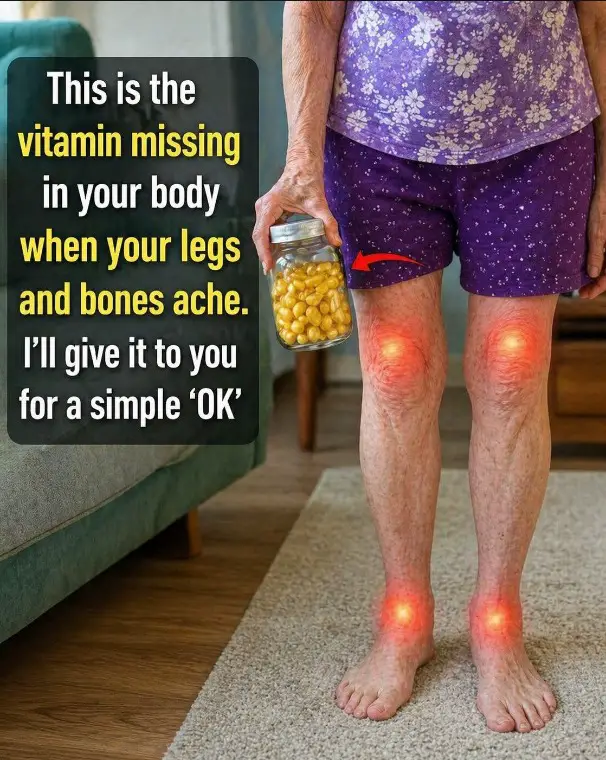
Many people notice it slowly at first.
You stand up after sitting for a while, and your hips feel stiff. Your legs ache after a short walk. Climbing stairs suddenly feels harder than it used to. At first, most people assume it is simply part of aging.
Sometimes that is true.
But sometimes the body may be signaling something deeper — including a possible nutritional deficiency that affects bones, muscles, and overall mobility.
One nutrient that receives significant attention in research on aging, bone health, and muscle function is vitamin D.
Often called the “sunshine vitamin,” vitamin D plays an important role in helping the body maintain strong bones and healthy muscles. When levels become too low, some people experience symptoms such as muscle weakness, bone discomfort, fatigue, or stiffness.
At the same time, it is important to avoid exaggerated online claims. Vitamin D deficiency is not the cause of every ache or pain, and hip or leg discomfort can result from many conditions ranging from arthritis to circulation problems to nerve issues.
Still, understanding how vitamin D affects the body may help explain why many doctors pay close attention to it — especially in older adults.
A retired teacher once described how her legs felt unusually heavy and sore during simple daily activities. She blamed aging for months and stopped taking regular walks because of the discomfort. During a routine appointment, her doctor discovered very low vitamin D levels through blood testing. After improving her diet, spending more time outdoors safely, and following medical guidance for supplementation, she gradually noticed improvements in strength and energy. Her experience reminded her that some physical changes people accept as “normal aging” may actually deserve closer attention.
Why Hip and Leg Pain Become More Common With Age
Muscles and Bones Naturally Change Over Time
Aging affects nearly every system in the body.
Over time:
- Muscle mass gradually decreases
- Bone density declines
- Flexibility changes
- Joint cartilage wears down
- Recovery slows
These changes may contribute to:
- Stiffness
- Soreness
- Reduced mobility
- Fatigue during movement
Even healthy aging can create noticeable physical differences.
Lifestyle Changes Also Matter
Many adults become less physically active with age.
At the same time:
- Time outdoors often decreases
- Nutrient absorption changes
- Appetite patterns shift
- Chronic medical conditions become more common
Together, these factors may increase the risk of vitamin deficiencies, including vitamin D deficiency.
What Vitamin D Actually Does
Vitamin D Helps the Body Use Calcium
Vitamin D plays a critical role in calcium absorption.
Without enough vitamin D, the body struggles to absorb calcium efficiently from food.
Calcium supports:
- Bone strength
- Muscle function
- Nerve signaling
- Heart function
This is why vitamin D and calcium are closely connected in discussions about bone health.
Muscles Also Depend on Vitamin D
Vitamin D affects more than bones alone.
Research suggests it also influences:
- Muscle contraction
- Balance
- Physical strength
- Coordination
Low levels may contribute to:
- Muscle weakness
- Increased fall risk
- Difficulty walking
- Fatigue
This becomes especially important for older adults trying to maintain independence and mobility.
Why Vitamin D Deficiency Is So Common
Sunlight Is a Major Source
The body naturally produces vitamin D when skin is exposed to sunlight.
However, many people receive limited sun exposure because of:
- Indoor lifestyles
- Sunscreen use
- Long winters
- Reduced outdoor activity
Older adults may produce vitamin D less efficiently as well.
Food Sources Are Limited
Unlike many nutrients, vitamin D is naturally present in relatively few foods.
Sources include:
- Fatty fish
- Egg yolks
- Fortified milk
- Fortified cereals
- Mushrooms exposed to UV light
Because dietary sources are limited, deficiency may develop gradually over time.
Symptoms Sometimes Linked to Low Vitamin D
Bone and Muscle Discomfort
Vitamin D deficiency may contribute to:
- Bone aches
- Muscle weakness
- Hip discomfort
- Leg pain
- Lower back pain
People often describe the discomfort as:
- Deep aching
- Generalized soreness
- Weakness rather than sharp pain
Fatigue and Low Energy
Low vitamin D levels have also been associated with:
- Fatigue
- Reduced stamina
- Low mood
- Difficulty recovering physically
However, these symptoms overlap with many other conditions, which is why proper medical evaluation matters.
Other Causes of Hip and Leg Pain
Not Every Ache Means Vitamin Deficiency
Hip and leg discomfort can result from many different causes, including:
- Arthritis
- Sciatica
- Poor circulation
- Muscle strain
- Nerve compression
- Injury
- Tendon inflammation
Vitamin D deficiency is only one possible explanation.
Persistent Pain Deserves Evaluation
People should seek medical advice if they experience:
- Severe pain
- Swelling
- Weakness
- Numbness
- Difficulty walking
- Pain that worsens steadily
Proper diagnosis matters because treatment depends on the underlying cause.
How Doctors Test Vitamin D Levels
Blood Testing Measures Vitamin D Status
Doctors commonly evaluate vitamin D using a blood test called:
- 25-hydroxy vitamin D test
This measures the amount of vitamin D circulating in the body.
Testing may be recommended for people with:
- Bone problems
- Osteoporosis
- Frequent falls
- Chronic fatigue
- Limited sun exposure
- Certain digestive disorders
Deficiency Ranges Vary
Medical organizations sometimes use slightly different ranges for defining deficiency or insufficiency.
A healthcare provider can interpret results based on:
- Age
- Medical history
- Symptoms
- Overall health
Safe Ways to Support Healthy Vitamin D Levels
Moderate Sun Exposure Helps
Safe sunlight exposure can help the body produce vitamin D naturally.
Even short periods outdoors may help depending on:
- Skin tone
- Geography
- Season
- Time of day
However, excessive sun exposure increases skin cancer risk, so balance matters.
Food Sources Can Support Intake
Vitamin D-rich foods include:
- Salmon
- Sardines
- Tuna
- Egg yolks
- Fortified dairy products
- Fortified plant milks
Combining nutrition with outdoor activity often supports overall health more effectively than relying on supplements alone.
Supplements May Help Some People
Doctors sometimes recommend vitamin D supplements for individuals with confirmed deficiency.
Supplement needs vary widely depending on:
- Blood levels
- Age
- Health conditions
- Medication use
Too much vitamin D can be harmful, so high-dose supplementation should not begin without medical guidance.
The Connection Between Vitamin D and Falls
Muscle Weakness Increases Fall Risk
Research has explored the relationship between vitamin D deficiency and falls in older adults.
Weak muscles and poor balance may increase the likelihood of:
- Falls
- Fractures
- Loss of independence
Maintaining adequate vitamin D levels may help support muscle performance alongside exercise and good nutrition.
Bone Health Matters Too
Vitamin D supports calcium balance, which influences bone density.
Stronger bones may reduce fracture risk if falls occur.
This is one reason vitamin D often becomes part of osteoporosis prevention strategies.
Daily Habits That Support Bone and Muscle Health
Physical Activity Matters
Movement helps preserve:
- Muscle strength
- Joint flexibility
- Balance
- Bone density
Helpful activities may include:
- Walking
- Resistance exercises
- Stretching
- Balance training
Nutrition Should Be Balanced
Bone and muscle health rely on many nutrients working together, including:
- Calcium
- Protein
- Magnesium
- Vitamin D
- Potassium
Whole-food nutrition supports overall wellness more effectively than focusing on one nutrient alone.
Sleep and Hydration Matter Too
Recovery, muscle function, and energy levels also depend on:
- Good sleep
- Hydration
- Stress management
Healthy aging rarely depends on a single solution.
Common Myths About Vitamin D
Myth: Vitamin D Cures All Pain
Vitamin D deficiency may contribute to discomfort, but not all aches result from low vitamin D.
Myth: More Vitamin D Is Always Better
Excessive supplementation can cause dangerous calcium imbalances.
Myth: Sunlight Alone Always Prevents Deficiency
Many people still develop low levels despite spending some time outdoors.
Myth: Only Older Adults Need Vitamin D
People of all ages can develop deficiency under certain conditions.
Myth: Supplements Replace Healthy Habits
Exercise, nutrition, sleep, and medical care remain equally important.
Frequently Asked Questions
Can low vitamin D cause leg pain?
It may contribute to muscle aches, weakness, or bone discomfort in some people.
What are common signs of vitamin D deficiency?
Fatigue, muscle weakness, bone pain, and low mood are possible symptoms.
How can I increase vitamin D naturally?
Safe sunlight exposure and foods like fatty fish and fortified dairy may help.
Should everyone take vitamin D supplements?
Not necessarily. Supplement needs vary and should ideally be guided by medical advice.
Can aging increase vitamin D deficiency risk?
Yes. Older adults may produce and absorb vitamin D less efficiently.
Conclusion
Aching hips and legs are common concerns as people age, but they should not always be dismissed automatically as “just getting older.” In some cases, low vitamin D levels may contribute to muscle weakness, bone discomfort, fatigue, or reduced mobility.
Vitamin D plays an important role in helping the body maintain strong bones, healthy muscles, and proper calcium balance. Because deficiency can develop quietly over time, many people remain unaware until symptoms gradually appear.
At the same time, it is important to remember that hip and leg pain have many possible causes. Proper medical evaluation remains essential for persistent or worsening symptoms.
Sometimes the body communicates softly before bigger problems develop. Paying attention to nutrition, movement, sunlight exposure, and overall wellness may help support healthier aging — one small daily habit at a time.
More Home Remedies
- Wrinkled Fingers After Water Exposure: What Your Skin May Be Telling You
- Skin Rash With Breathing Trouble? It Could Be a Life-Threatening Allergic Reaction
- I Thought It Was a Piece of Trash on the Bathroom Floor—Until It Moved
- If You Are Getting White Pimples on Your Lips or Intimate Area, Here’s What They Could Mean