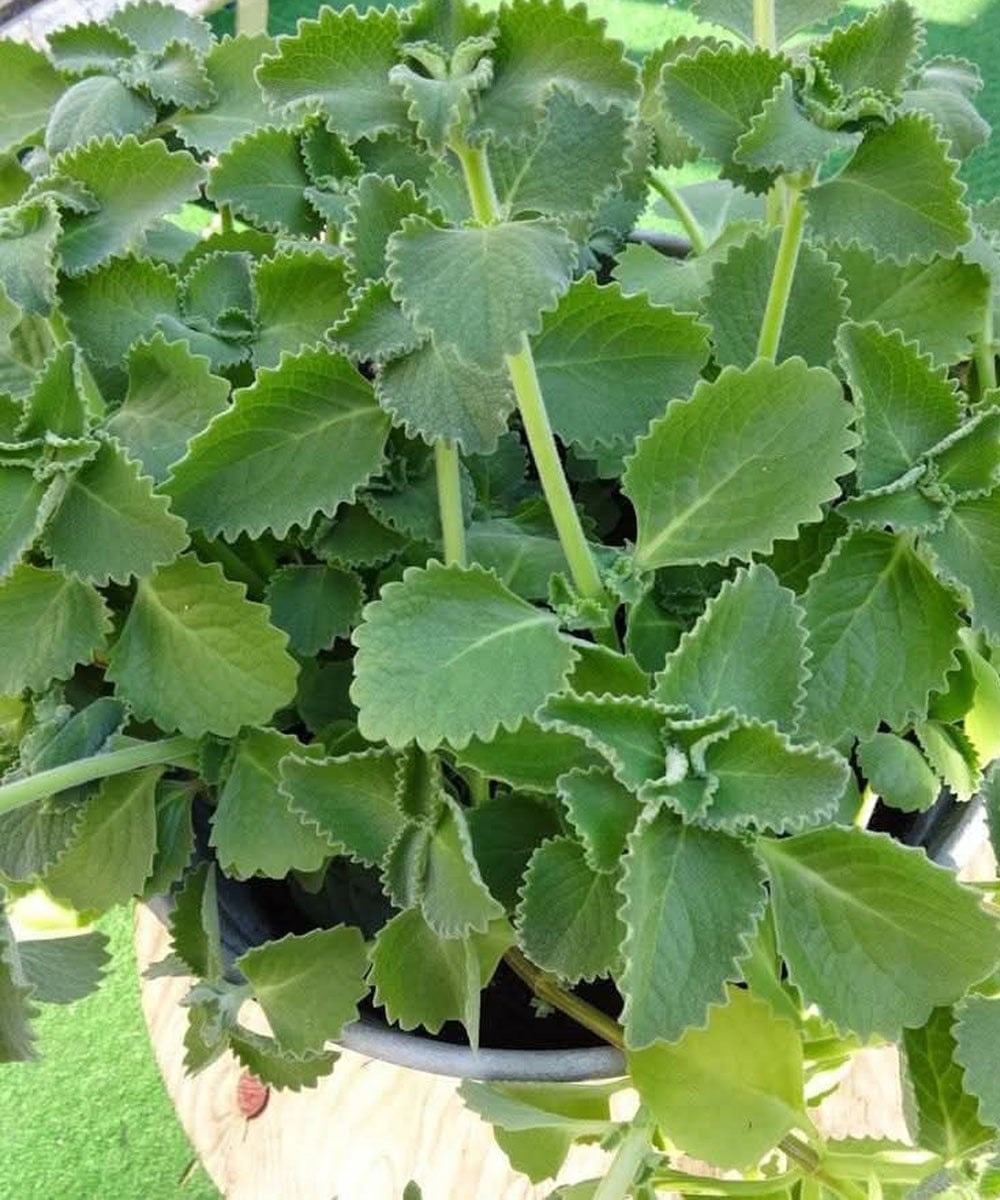
When most people think of oregano, they picture pizza, pasta sauce, or Mediterranean cooking. Yet this aromatic herb has a much longer history than its culinary reputation suggests. For centuries, oregano has been used in traditional herbal practices for its potential antimicrobial, antioxidant, and soothing properties.
Modern research has identified several naturally occurring compounds within oregano that may contribute to its wellness-supporting effects. While oregano is not a cure for disease, it can be a valuable addition to a healthy lifestyle when used appropriately.
What Makes Oregano Special?
Oregano contains a variety of plant compounds known as phytochemicals. Among the most studied are:
Carvacrol
Carvacrol is a naturally occurring compound that has demonstrated antimicrobial activity in laboratory studies. Researchers have investigated its effects against certain bacteria, fungi, and other microorganisms.
Thymol
Thymol is another natural compound found in oregano. It possesses antioxidant properties and is commonly used in products such as mouthwashes and oral hygiene preparations.
Together, these compounds contribute to oregano’s distinctive aroma and many of its potential wellness benefits.
Potential Benefits Supported by Research
1. Antioxidant Protection
Every day, the body produces unstable molecules called free radicals. Excessive free-radical activity may contribute to cellular damage and inflammation over time.
Oregano contains antioxidants such as:
- Rosmarinic acid
- Flavonoids
- Carvacrol
- Thymol
These compounds help neutralize free radicals and may support overall cellular health.
While oregano alone cannot prevent aging or disease, antioxidant-rich foods are an important part of a balanced diet.
2. Natural Antimicrobial Properties
Laboratory research has shown that oregano extracts and oregano oil may inhibit the growth of certain microorganisms.
Researchers have studied oregano’s activity against:
- E. coli
- Salmonella
- Staphylococcus species
- Certain yeasts, including Candida
However, most of these findings come from laboratory settings rather than large human clinical trials.
For this reason, oregano should not replace prescribed medical treatment for infections.
3. Digestive Support
Traditional herbal medicine has long used oregano to support digestive comfort.
Some preliminary research suggests compounds such as carvacrol may influence digestive function and help maintain a balanced gut environment.
People commonly enjoy oregano as part of meals that include:
- Soups
- Stews
- Roasted vegetables
- Mediterranean dishes
Its flavor may enhance meals while contributing beneficial plant compounds to the diet.
4. Seasonal Respiratory Support
Oregano tea has traditionally been used during cold and flu season.
Many people find warm herbal teas soothing when experiencing:
- Mild throat irritation
- Congestion
- Seasonal discomfort
Although oregano is not a treatment for respiratory illnesses, its aromatic compounds may provide gentle comfort when consumed as part of a warm beverage.
The Difference Between Culinary Oregano and Oregano Oil
Understanding this distinction is important.
Culinary Oregano
Fresh and dried oregano used in cooking is generally considered safe for most people when consumed as food.
Adding oregano to meals provides flavor along with beneficial plant compounds.
Oregano Essential Oil
Oregano oil is highly concentrated and much stronger than the herb itself.
Because of its potency, oregano oil requires careful use.
Potential concerns include:
- Mouth and throat irritation
- Digestive upset
- Skin irritation
- Interactions with certain medications
Pregnant or breastfeeding individuals and people with medical conditions should consult a healthcare professional before using oregano oil supplements.
Safe Ways to Enjoy Oregano
In Everyday Cooking
One of the easiest ways to benefit from oregano is simply to cook with it regularly.
Try adding:
- 1–2 teaspoons dried oregano
- 1 tablespoon fresh oregano
to:
- Tomato sauces
- Salad dressings
- Marinades
- Roasted vegetables
- Soups
Pairing oregano with olive oil may also help enhance the absorption of certain fat-soluble compounds.
As a Tea
For occasional use, oregano tea can be prepared by:
- Adding 1 teaspoon dried oregano to a cup.
- Pouring hot water over the herb.
- Steeping for 5–10 minutes.
- Straining and serving.
Many people enjoy adding lemon or honey for flavor.
Using Oregano Oil Carefully
If using oregano oil:
- Follow label instructions carefully.
- Never consume undiluted essential oil.
- Use only products intended for internal use when applicable.
- Avoid prolonged use without professional guidance.
Remember that concentrated herbal extracts are significantly more powerful than culinary herbs.
What Oregano Cannot Do
Because oregano is often promoted online as a “miracle herb,” it is important to keep expectations realistic.
Oregano cannot:
- Replace antibiotics when medically necessary
- Cure chronic diseases
- Eliminate infections on its own
- Substitute for professional medical care
Its greatest value lies in supporting a healthy diet and lifestyle rather than serving as a standalone treatment.
Final Thoughts
Oregano may be one of the most overlooked herbs in the kitchen. Beyond its distinctive flavor, it contains naturally occurring compounds that have attracted significant scientific interest for their antioxidant and antimicrobial properties.
While research continues to explore its full potential, the evidence suggests that oregano can be a flavorful and beneficial addition to everyday meals. Whether sprinkled over roasted vegetables, stirred into soup, or enjoyed occasionally as a tea, this humble herb offers more than just taste.
Sometimes the simplest wellness tools are already sitting on the spice rack—quietly contributing to a healthy, balanced lifestyle one meal at a time.
More Home Remedies
- Wrinkled Fingers After Water Exposure: What Your Skin May Be Telling You
- Skin Rash With Breathing Trouble? It Could Be a Life-Threatening Allergic Reaction
- I Thought It Was a Piece of Trash on the Bathroom Floor—Until It Moved
- If You Are Getting White Pimples on Your Lips or Intimate Area, Here’s What They Could Mean