Tonsil stones may sound alarming, but they are actually very common and usually harmless. These small, hard lumps can appear in the crevices of the tonsils and often become noticeable because of bad breath, throat discomfort, or the feeling that something is stuck in the back of the throat.
Many people discover tonsil stones accidentally while brushing their teeth or looking in the mirror. Others may struggle with symptoms for years without realizing what is causing them. Because they are not discussed very often, tonsil stones can feel embarrassing or confusing, especially when chronic bad breath becomes difficult to explain.
The good news is that tonsil stones are typically manageable with good oral hygiene, hydration, and simple home care. In some cases, medical treatment may help if they become large, painful, or recurrent.
Understanding what tonsil stones are, why they form, and how to prevent them can make a huge difference in comfort and confidence.
What Are Tonsil Stones?
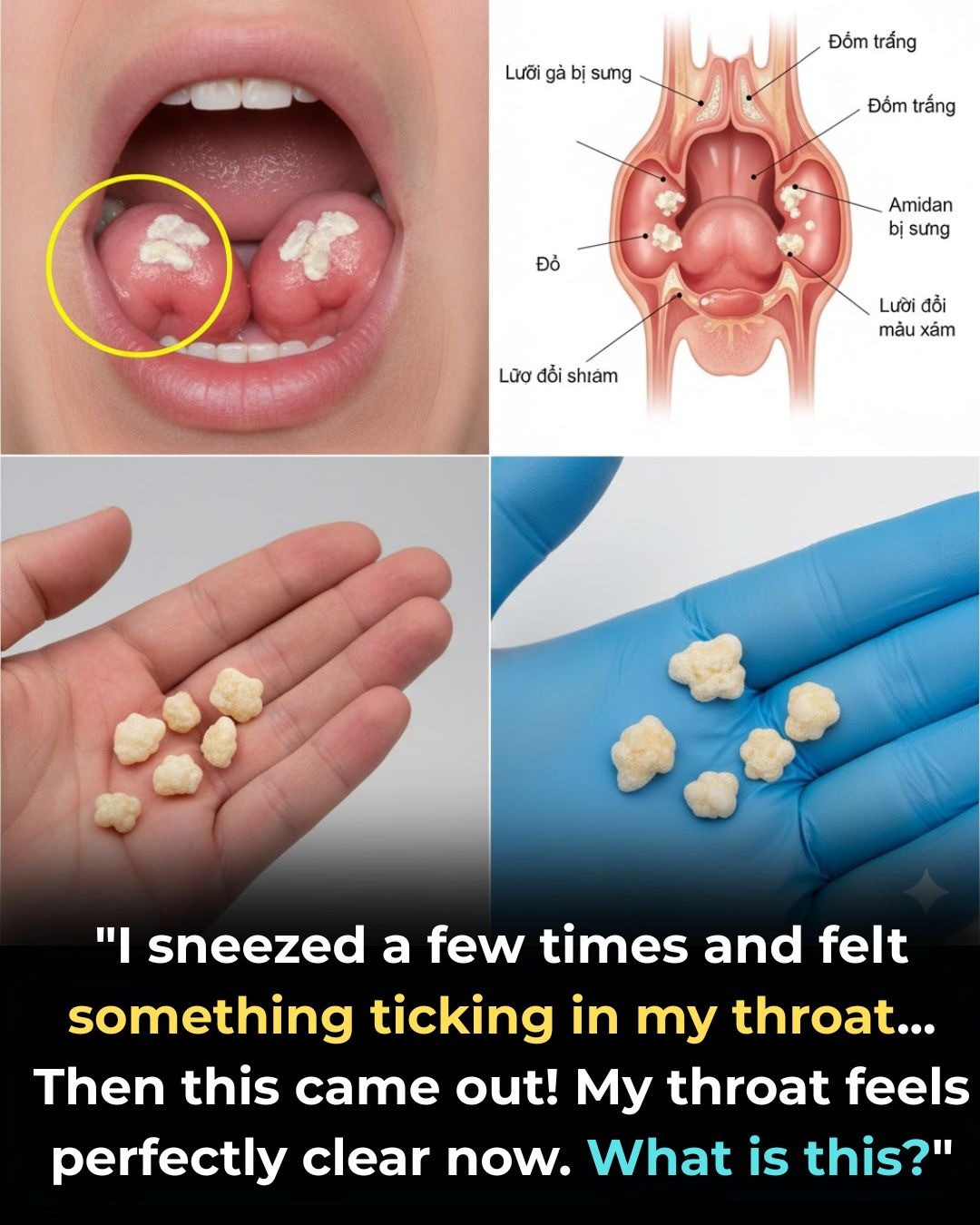
Tonsil stones, also known as tonsilloliths, are small accumulations of debris that become trapped inside tiny pockets in the tonsils called crypts.
The tonsils naturally contain folds and crevices. In some people, these spaces are deeper than normal, making it easier for material to collect over time.
Tonsil stones are usually made from:
- food particles
- mucus
- dead cells
- bacteria
- minerals from saliva
As these materials build up, they harden or calcify into small stones.
They may appear:
- white
- yellow
- cream-colored
and range in size from tiny grains to larger lumps.
Some tonsil stones remain hidden deep inside the tonsils, while others become visible near the surface.
Why Tonsil Stones Smell So Bad
One of the most frustrating symptoms of tonsil stones is persistent bad breath.
The odor comes from sulfur-producing bacteria that thrive inside trapped debris.
These bacteria release gases that create:
- foul smells
- rotten odors
- sulfur-like breath
- sour taste in the mouth
This explains why brushing teeth alone often does not solve the problem.
Many people become extremely self-conscious because chronic bad breath can affect:
- relationships
- confidence
- social interactions
- work situations
Sometimes tonsil stones are the hidden cause people never think to check.
Common Symptoms of Tonsil Stones
Not everyone experiences symptoms. Some people have tonsil stones for years without noticing them.
However, common symptoms may include:
Persistent Bad Breath
This is often the first and most noticeable sign.
Bad breath caused by tonsil stones usually:
- returns quickly after brushing
- smells unusually strong
- persists despite mouthwash
Feeling Something Stuck in the Throat
Many people describe:
- irritation
- pressure
- the sensation of a foreign object
especially while swallowing.
Visible White Spots
Tonsil stones sometimes appear as:
- white dots
- yellow lumps
- tiny clusters
on the tonsils.
Sore Throat
Large or irritated stones can cause mild throat discomfort.
Ear Pain
Because nerves in the throat connect to the ears, tonsil stones may create referred ear pain even without an ear infection.
Trouble Swallowing
Larger stones occasionally make swallowing uncomfortable.
What Causes Tonsil Stones?
Several factors increase the likelihood of developing tonsil stones.
Large Tonsil Crypts
People with deeper crevices naturally trap more debris.
Chronic Tonsillitis
Repeated inflammation can enlarge crypts and increase bacterial buildup.
Poor Oral Hygiene
Bacteria multiply more easily when:
- food particles remain in the mouth
- plaque builds up
- tongue cleaning is neglected
Dry Mouth
Saliva naturally helps wash away debris and bacteria.
When the mouth becomes dry, debris stays trapped longer.
Dry mouth may result from:
- dehydration
- medications
- mouth breathing
- sleep apnea
Post-Nasal Drip
Excess mucus draining into the throat feeds bacterial growth and increases buildup inside the tonsils.
Smoking
Smoking alters oral bacteria and contributes to chronic throat irritation.
Are Tonsil Stones Dangerous?
In most cases, tonsil stones are harmless.
They are annoying rather than dangerous.
However, they can become problematic if they cause:
- repeated infections
- chronic inflammation
- severe bad breath
- pain
- swallowing difficulties
Very large tonsil stones are uncommon but may require medical treatment.
How to Remove Tonsil Stones Safely
Many small tonsil stones come out naturally during:
- coughing
- gargling
- sneezing
- eating
For visible stones, gentle removal methods may help.
Gargling Salt Water
Warm salt water helps:
- loosen debris
- reduce bacteria
- calm inflammation
Mix:
- 1/2 teaspoon salt
- 1 cup warm water
and gargle thoroughly.
Using a Cotton Swab
A soft cotton swab may gently push small visible stones loose.
Important:
- use light pressure only
- avoid digging deeply
- stop if pain or bleeding occurs
Water Flossers
Some people use water flossers on the lowest setting to flush out tonsil crypts.
Strong pressure should be avoided because the tonsils are delicate.
Gentle Coughing
Sometimes forceful coughing naturally dislodges hidden stones.
What NOT to Do
Never use:
- sharp tools
- metal picks
- bobby pins
- tweezers
Attempting aggressive removal can cause:
- bleeding
- infection
- injury
- scarring
The tonsils contain sensitive tissue and many blood vessels.
How to Prevent Tonsil Stones
Although prevention is not always possible, several habits reduce the risk significantly.
Maintain Excellent Oral Hygiene
Brush:
- teeth
- gums
- tongue
at least twice daily.
Floss regularly to reduce bacteria.
Stay Hydrated
Drinking enough water helps saliva naturally clean the mouth.
Gargle Regularly
Salt water or alcohol-free mouthwash can reduce bacterial buildup.
Treat Nasal Congestion
Managing allergies and post-nasal drip reduces mucus accumulation.
Reduce Smoking
Smoking increases bacterial growth and oral dryness.
Clean the Tongue
The tongue holds large amounts of odor-producing bacteria.
Tongue scrapers can help dramatically.
Can Diet Affect Tonsil Stones?
Yes, in some people.
Certain foods may contribute to:
- mucus production
- bacterial growth
- debris accumulation
Some people notice worsening after:
- dairy products
- sugary foods
- processed foods
However, triggers vary from person to person.
A balanced diet and proper hydration support overall oral health.
Why Some People Get Tonsil Stones Repeatedly
Recurring tonsil stones often happen because of anatomy.
Some tonsils simply contain:
- deeper folds
- larger crypts
- more surface area
Even with excellent hygiene, debris may continue collecting.
This can become frustrating for people who feel they are constantly battling bad breath or throat irritation.
When to See a Doctor
Medical evaluation is important if tonsil stones become:
- painful
- frequent
- very large
- infected
You should also see a doctor if you experience:
- fever
- severe swelling
- trouble swallowing
- persistent sore throat
- one-sided tonsil enlargement
An ENT specialist can confirm whether the issue is truly tonsil stones or another condition.
Medical Treatments for Tonsil Stones
For severe or chronic cases, doctors may recommend additional treatment.
Antibiotics
Antibiotics may temporarily reduce bacteria but usually do not prevent future stones permanently.
Cryptolysis
Laser or radiofrequency procedures smooth the tonsil surface and reduce deep crevices where debris collects.
Tonsillectomy
Complete tonsil removal is usually reserved for:
- severe recurring tonsil stones
- chronic tonsillitis
- persistent symptoms affecting quality of life
Recovery can be uncomfortable, but some patients experience major long-term relief.
The Emotional Side of Chronic Bad Breath
People rarely talk about how emotionally difficult tonsil stones can feel.
Chronic bad breath often causes:
- embarrassment
- anxiety
- social withdrawal
- reduced confidence
Many people become afraid to:
- speak closely
- laugh
- date
- attend social gatherings
Because tonsil stones are treatable, recognizing the cause often brings huge relief.
Tonsil Stones vs. Other Conditions
Sometimes white spots on the tonsils are not tonsil stones.
Other possibilities include:
- strep throat
- tonsillitis
- oral thrush
- abscesses
- infections
That’s why persistent or painful symptoms should always be evaluated professionally.
Can Children Get Tonsil Stones?
Yes, although they are more common in teenagers and adults.
Children with:
- frequent tonsillitis
- allergies
- enlarged tonsils
may also develop them.
Do Tonsil Stones Go Away Permanently?
For some people, yes.
Others experience recurring stones throughout life.
Consistency with:
- oral hygiene
- hydration
- throat care
often reduces frequency dramatically.
Final Thoughts
Tonsil stones are surprisingly common and usually harmless, but they can cause major frustration because of bad breath and throat discomfort.
Although they may feel embarrassing, they are simply a buildup of trapped debris and bacteria inside the tonsils — not a sign of poor hygiene or serious illness in most cases.
The good news is that most tonsil stones respond well to:
- hydration
- salt-water gargles
- improved oral hygiene
- gentle care
For persistent or severe cases, medical treatments are available and often highly effective.
Most importantly, no one should feel ashamed about having tonsil stones. Many people experience them at some point in life, and understanding the condition is the first step toward relief.
A healthy mouth is not about perfection — it is about consistent care, awareness, and paying attention to what the body is trying to tell you.
More Home Remedies
- Wrinkled Fingers After Water Exposure: What Your Skin May Be Telling You
- Skin Rash With Breathing Trouble? It Could Be a Life-Threatening Allergic Reaction
- I Thought It Was a Piece of Trash on the Bathroom Floor—Until It Moved
- If You Are Getting White Pimples on Your Lips or Intimate Area, Here’s What They Could Mean