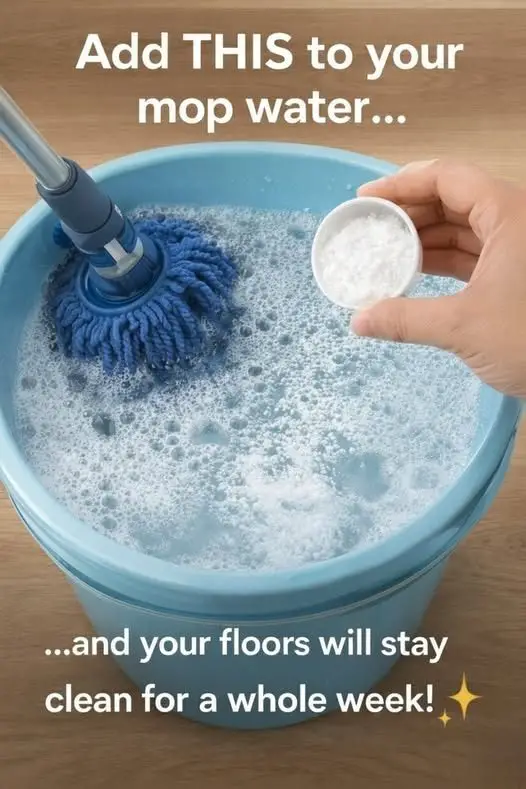
A clean floor can completely transform the feeling of a home. Freshly mopped surfaces not only look beautiful, but they also create a healthier and more relaxing environment for everyone in the house. However, many store-bought floor cleaners contain harsh chemicals, overpowering synthetic fragrances, and sticky residues that can leave floors dull over time.
Fortunately, you can create an effective homemade floor cleaner using simple pantry ingredients. This easy solution helps remove dirt, grease, footprints, and everyday grime while leaving floors naturally shiny and pleasantly scented.
Even better, homemade floor cleaners cost very little to make, reduce plastic waste, and avoid many of the unnecessary chemicals found in commercial products.
Why Homemade Floor Cleaners Work So Well
Many people assume expensive cleaning products work better than homemade alternatives. In reality, simple ingredients often clean extremely effectively when combined properly.
White vinegar helps dissolve mineral deposits, grease, and odors naturally. Meanwhile, rubbing alcohol speeds up evaporation, which reduces streaks and helps floors dry faster.
Liquid Castile soap gently lifts dirt without leaving behind heavy residue. Essential oils can also add a fresh scent while contributing mild antibacterial properties depending on the oil selected.
Together, these ingredients create a balanced cleaning solution that removes grime while remaining gentle enough for many common household surfaces.
Homemade cleaners also give you complete control over what enters your home environment. That matters especially for households with children, pets, allergies, or fragrance sensitivities.
Benefits of This Homemade Floor Cleaner
One reason this recipe has become so popular is its simplicity. Most ingredients are already sitting in kitchen cabinets or bathroom closets.
Some of the biggest advantages include:
- Streak-free shine
- Quick drying time
- Fresh natural scent
- Lower cost than commercial cleaners
- Reduced chemical exposure
- Eco-friendly ingredients
- Less plastic packaging waste
Unlike many heavy commercial formulas, this mixture does not leave sticky buildup behind when used correctly.
As a result, floors often stay cleaner longer because dust and dirt have less residue to cling to afterward.
Basic Homemade Floor Cleaner Recipe
This all-purpose version works well for many sealed hard flooring surfaces, including tile, vinyl, laminate, and some sealed hardwood floors.
Ingredients
- 1 gallon warm water
- ½ cup white vinegar
- ¼ cup rubbing alcohol (70%) or vodka
- 1 tablespoon liquid Castile soap
- 10–15 drops essential oil (optional)
Why Each Ingredient Matters
White Vinegar
Vinegar naturally cuts through grease, odors, and light mineral buildup. It helps brighten floors without requiring harsh chemicals.
However, vinegar should never be used on:
- Unsealed wood
- Marble
- Granite
- Limestone
- Natural stone surfaces
The acidity may gradually dull or damage sensitive materials.
Rubbing Alcohol
Alcohol speeds up drying and helps reduce streaking. Because it evaporates quickly, floors dry faster and feel cleaner afterward.
Castile Soap
Castile soap gently lifts dirt and grime while remaining mild and biodegradable. Unlike many dish soaps, it generally leaves less residue behind when diluted correctly.
Essential Oils
Essential oils add natural fragrance and can help create a fresher-smelling home.
Popular options include:
- Lemon
- Lavender
- Tea tree
- Orange
- Peppermint
- Eucalyptus
Safe Hardwood Floor Alternative
Wood floors require extra care because too much moisture or acidity can damage finishes over time.
For sealed hardwood floors, try this gentler version instead.
Hardwood Cleaner Recipe
- 1 gallon warm water
- ¼ cup rubbing alcohol or vodka
- 1 tablespoon liquid Castile soap
- 1–2 teaspoons olive oil or jojoba oil
- 10 drops lemon or orange essential oil
The small amount of oil helps restore subtle shine without making floors greasy.
However, using too much oil can create slippery surfaces, so moderation matters.
How to Mop Floors Properly
Even the best cleaner performs poorly if floors are mopped incorrectly.
Step 1: Sweep or Vacuum First
Always remove dust, crumbs, pet hair, and debris before mopping. Otherwise, dirt simply spreads around during cleaning.
Step 2: Use a Damp Mop, Not a Soaking Wet One
Excess water can damage flooring materials, especially wood and laminate. Wring out the mop thoroughly so it remains damp rather than dripping.
Step 3: Work in Sections
Mop smaller sections gradually while moving backward toward the exit. This prevents footprints across freshly cleaned areas.
Step 4: Allow Floors to Air Dry
The alcohol in the solution helps speed up evaporation naturally. Most floors dry fairly quickly without streaks.
For additional shine, lightly buff dry floors with a clean microfiber cloth afterward.
Best Essential Oils for Fresh-Smelling Floors
Different essential oils create different moods and benefits throughout the home.
Lemon
Lemon oil offers a bright, fresh scent while helping cut through grease. It works especially well in kitchens and bathrooms.
Lavender
Lavender creates a calming atmosphere ideal for bedrooms and living rooms.
Tea Tree
Tea tree oil has natural antimicrobial properties and works well in high-traffic areas.
Peppermint
Peppermint provides an energizing scent and may help discourage insects in entryways and mudrooms.
Orange
Orange oil leaves behind a warm, clean citrus aroma that many people find comforting and refreshing.
Cleaning Mistakes to Avoid
Although homemade cleaners work well, a few combinations can cause problems if used improperly.
Never Mix Bleach and Vinegar
Combining bleach with vinegar creates toxic chlorine gas, which can seriously harm the lungs and respiratory system.
Avoid Too Much Soap
Excess soap leaves sticky residue that attracts more dirt later. Small amounts work best.
Don’t Overuse Oil
Oil-heavy cleaners can create slippery films on vinyl, laminate, or tile flooring.
Avoid Undiluted Vinegar
Straight vinegar may weaken floor sealants over time when used repeatedly without dilution.
Are Homemade Cleaners Safe for Pets and Kids?
Many people prefer homemade cleaners because they reduce exposure to harsh synthetic chemicals.
When diluted correctly, these recipes are generally gentler than many commercial alternatives. However, some essential oils may irritate pets, especially cats.
Always:
- Keep pets away until floors dry completely
- Use pet-safe essential oils carefully
- Avoid excessive concentrations
- Store cleaning mixtures safely out of reach
When uncertain, consult your veterinarian before using strong fragrances around sensitive animals.
Why Floors Sometimes Stay Dirty After Mopping
Many homeowners notice floors becoming sticky or cloudy shortly after cleaning. Usually, this happens because:
- Too much soap was used
- Dirty mop water spread residue
- The mop head itself was dirty
- Floors were over-saturated
Changing mop water regularly and using smaller amounts of cleaning solution usually solves the issue quickly.
Microfiber mops also tend to clean more effectively than traditional string mops because they trap dirt instead of pushing it around.
Final Thoughts
A truly clean floor does more than shine. It helps create a healthier, fresher, and more welcoming home environment for everyone inside.
This homemade floor cleaner offers a simple way to remove dirt naturally while avoiding many of the harsh chemicals found in commercial products. With just a few affordable ingredients, you can create floors that look beautiful, smell fresh, and stay cleaner longer.
Best of all, homemade cleaning solutions allow you to care for your home in a gentler, more intentional way.
Sometimes the simplest recipes work best—not only for cleanliness, but for peace of mind as well.
More Home Remedies
- Wrinkled Fingers After Water Exposure: What Your Skin May Be Telling You
- Skin Rash With Breathing Trouble? It Could Be a Life-Threatening Allergic Reaction
- I Thought It Was a Piece of Trash on the Bathroom Floor—Until It Moved
- If You Are Getting White Pimples on Your Lips or Intimate Area, Here’s What They Could Mean