As we get older, many of us begin to notice small aches that weren’t there before. Climbing stairs may feel a little harder, getting out of bed may require an extra stretch, and stiff knees or a sore back can become part of everyday life. While pain-relieving medications can certainly help in some situations, many people also look for natural ways to ease discomfort and improve mobility.
One technique that has been practiced for thousands of years is acupressure. Unlike acupuncture, which uses fine needles, acupressure relies on gentle but firm finger pressure applied to specific points on the body. Supporters believe these points help encourage relaxation, improve circulation, and reduce muscle tension.
Although scientific evidence varies depending on the condition being treated, some studies suggest that acupressure may provide short-term relief for certain types of pain, especially when combined with other healthy lifestyle habits.
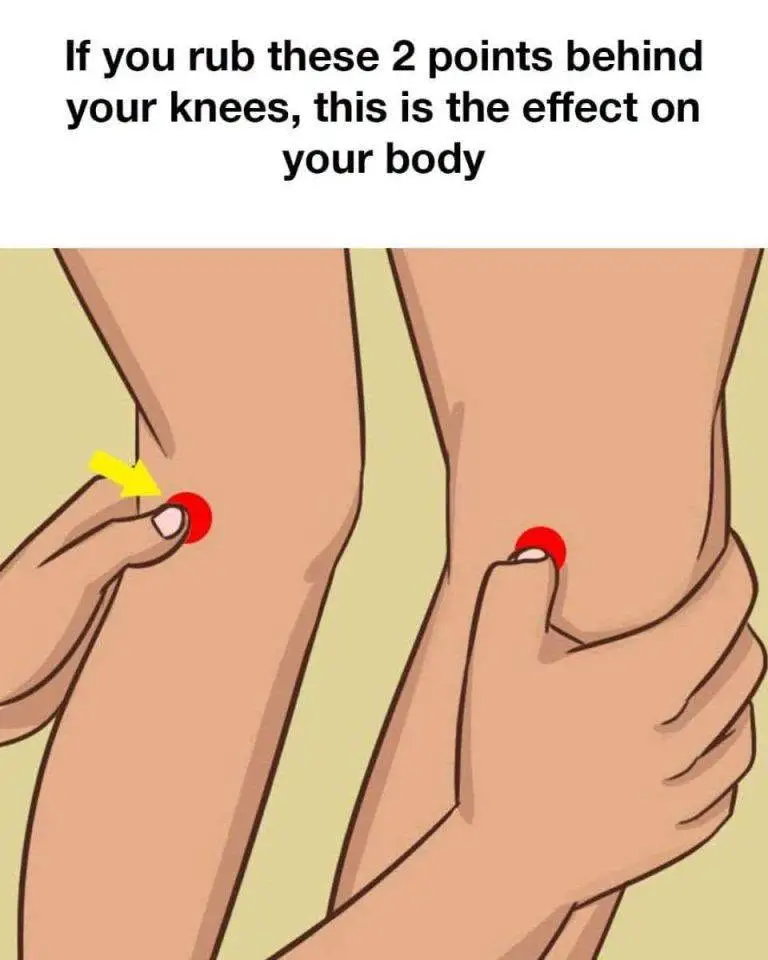
Let’s explore two well-known acupressure points located near the knee, what traditional practitioners believe they do, and how to use them safely.
What Is Acupressure?
Acupressure is a technique rooted in traditional Chinese medicine that has been practiced for centuries.
The method involves applying steady pressure with the fingers, thumbs, or palms to precise areas of the body known as acupressure points.
According to traditional medicine, stimulating these points helps restore the body’s natural balance and supports overall well-being.
Modern researchers suggest that some benefits may come from:
- Relaxation of tense muscles
- Increased local blood circulation
- Activation of the body’s natural pain-relieving mechanisms
- Reduced stress and muscle tightness
While more research is still needed, many people find acupressure to be a calming addition to their wellness routine.
Two Common Acupressure Points Around the Knee
Among the many pressure points described in traditional Chinese medicine, two are frequently associated with improving comfort and mobility in the legs.
These are commonly known as:
- GB34 (Gallbladder 34)
- ST36 (Stomach 36)
Both are located close to the knee but in slightly different positions.
GB34: The Gallbladder 34 Point
GB34 is found on the outside of the lower leg.
To locate it:
- Sit comfortably with your knee slightly bent.
- Find the bony bump on the outside of your knee.
- Move just below this area and slightly forward.
- You’ll often notice a small depression where gentle pressure can be applied.
In traditional Chinese medicine, GB34 is considered one of the primary points for supporting muscles, tendons, and joints.
Many practitioners recommend stimulating this area when experiencing:
- Muscle tightness
- Knee stiffness
- Hip discomfort
- General leg fatigue
Some traditional sources also associate this point with relief from certain digestive or nerve-related symptoms, although scientific evidence remains limited.
ST36: The Stomach 36 Point
ST36 is one of the best-known acupressure points in traditional medicine.
To find it:
- Place four fingers directly below your kneecap.
- From that point, move about one finger-width toward the outside of your shinbone.
- The spot often feels slightly tender when pressed firmly.
Traditional practitioners have long regarded ST36 as an important point for supporting overall vitality.
It is commonly used for:
- Muscle soreness
- Fatigue
- Digestive discomfort
- General feelings of low energy
Because of its wide range of traditional uses, ST36 is sometimes referred to as one of the body’s “strengthening” points.
How to Massage These Points
If you’d like to try acupressure at home, the process is simple.
- Sit comfortably with your legs relaxed.
- Locate GB34 and ST36 on one leg.
- Use your thumb or index finger to apply firm but comfortable pressure.
- Massage each point using small circular motions.
- Continue for 30 to 60 seconds.
- Repeat on the opposite leg.
The pressure should feel noticeable but not painful.
If you experience sharp pain, numbness, or significant discomfort, stop immediately.
Many practitioners recommend repeating the routine once or twice daily as part of a relaxation or stretching routine.
What Benefits Might You Notice?
People who regularly practice acupressure often report:
- Reduced feelings of muscle tightness
- Greater relaxation
- Temporary relief from minor aches
- Improved flexibility after stretching
- A greater sense of overall well-being
It’s important to remember that results vary from person to person.
Acupressure should not be viewed as a replacement for medical care but may serve as a complementary wellness practice for some individuals.
Other Traditional Uses of GB34 and ST36
In traditional Chinese medicine, these two acupressure points have been used for centuries for more than just muscle stiffness.
Although modern scientific evidence is still evolving, practitioners commonly use them as part of holistic treatment plans for a variety of concerns.
GB34 (Gallbladder 34)
Traditionally, this point is associated with supporting healthy movement and flexibility. Some practitioners believe stimulating GB34 may help with:
- Muscle and tendon tension
- Hip discomfort
- Sciatic pain
- Knee stiffness
- General joint mobility
Some traditional texts also mention its use for nausea and digestive complaints, although more clinical research is needed to confirm these effects.
ST36 (Stomach 36)
ST36 is considered one of the most versatile acupressure points in traditional practice.
It is commonly used to support:
- Digestive health
- Energy levels
- Muscle recovery
- Immune function
- General vitality
Some people also report feeling more relaxed and energized after stimulating this point as part of a daily wellness routine.
Additional Natural Ways to Ease Morning Stiffness
Acupressure works best when combined with other healthy habits that support muscles and joints.
Here are several simple strategies that may help reduce stiffness, especially after waking up.
Stay Physically Active
Gentle movement helps lubricate the joints and improves circulation.
Activities such as:
- Walking
- Stretching
- Swimming
- Yoga
- Tai Chi
can all contribute to better flexibility over time.
Prioritize Quality Sleep
Your muscles and connective tissues repair themselves while you sleep.
Poor sleep quality may contribute to increased pain sensitivity and muscle tightness the following day.
Aim for a consistent sleep schedule and create a comfortable sleeping environment whenever possible.
Keep Warm
Cold temperatures can sometimes make muscles feel tighter.
If you tend to wake up stiff, consider:
- Using warm blankets.
- Wearing comfortable sleepwear.
- Keeping your bedroom at a comfortable temperature.
Many people also find that a heating pad provides temporary relief for sore muscles.
Start the Day with a Warm Shower
Warm water helps relax muscles and may improve circulation.
A few minutes under a warm shower followed by gentle stretching can make it easier to begin the day with greater comfort.
Stay Hydrated
Although hydration alone won’t eliminate joint pain, drinking enough water supports healthy muscles, connective tissues, and overall body function.
When Should You See a Doctor?
While occasional stiffness is common, persistent or severe pain should not simply be ignored.
Consult a healthcare professional if you experience:
- Severe knee pain.
- Swelling or redness around a joint.
- Sudden inability to bear weight.
- Fever along with joint pain.
- Symptoms lasting several weeks without improvement.
- Numbness or weakness in the legs.
These symptoms may indicate conditions that require medical evaluation rather than self-treatment.
Frequently Asked Questions
Is acupressure scientifically proven?
Research suggests acupressure may help reduce certain types of pain and promote relaxation for some people. However, results vary, and more high-quality studies are needed to fully understand its effectiveness for specific medical conditions.
Is acupressure the same as acupuncture?
No.
Acupuncture involves inserting very fine needles into specific points on the body.
Acupressure uses only finger or thumb pressure without needles.
How often can I massage these points?
Many people perform acupressure once or twice daily for a few minutes.
If pressure causes pain or discomfort, reduce the intensity or stop altogether.
Can acupressure cure arthritis?
No.
Acupressure is not a cure for arthritis or other chronic joint diseases.
Some individuals may find it temporarily relieves muscle tension or discomfort, but it should not replace medical treatment recommended by your healthcare provider.
Who should avoid acupressure?
Speak with your healthcare provider before trying acupressure if you:
- Are pregnant (certain pressure points may not be appropriate).
- Have circulation disorders.
- Have open wounds or skin infections near the treatment area.
- Have recently experienced fractures or major injuries.
Final Thoughts
Acupressure has been practiced for thousands of years and continues to be used by many people as a natural way to encourage relaxation and ease everyday muscle tension. The GB34 and ST36 points, located near the knees, are among the best-known locations in traditional Chinese medicine and are often associated with supporting flexibility, comfort, and overall well-being.
While scientific research continues to investigate how acupressure works, many people find that gentle massage of these areas, combined with regular exercise, good sleep, proper hydration, and healthy lifestyle habits, helps them feel more comfortable throughout the day.
Most importantly, remember that persistent or severe pain should always be evaluated by a qualified healthcare professional. Acupressure can be a helpful complement to conventional care, but it is not a substitute for proper medical diagnosis or treatment.
Sometimes, a few minutes of mindful self-care each day can become a valuable part of maintaining mobility, reducing stress, and supporting your overall health.