If you’ve spent any time on social media lately, you’ve probably seen a flood of “miracle” household hacks promising to solve everyday problems with items already sitting in your kitchen. Some are surprisingly effective. Others sound a little too good to be true.
One recent viral trend caught my attention because it seemed so simple.
The claim?
A bowl of ordinary granulated sugar can sharpen dull scissors.
The demonstration looked convincing. Someone repeatedly stabbed and snipped their scissors through sugar crystals, then magically sliced through paper as if the blades were brand new.
As someone who owns more than a few pairs of tired kitchen scissors, I had to find out whether this trick actually works—or whether it’s another internet myth.
So I decided to put it to the test.
The Theory Behind the Sugar Trick
Supporters of the hack claim that granulated sugar acts as a mild abrasive.
The idea is that repeatedly cutting or stabbing through sugar crystals supposedly:
- Polishes the blade edge
- Removes tiny imperfections
- Realigns slightly bent edges
- Restores cutting performance
At first glance, the explanation sounds plausible.
After all, some DIY sharpening methods do involve abrasive materials. Cutting aluminum foil or fine-grit sandpaper can sometimes provide minor improvements to slightly dull blades.
The question is whether sugar can accomplish the same thing.
Setting Up the Experiment
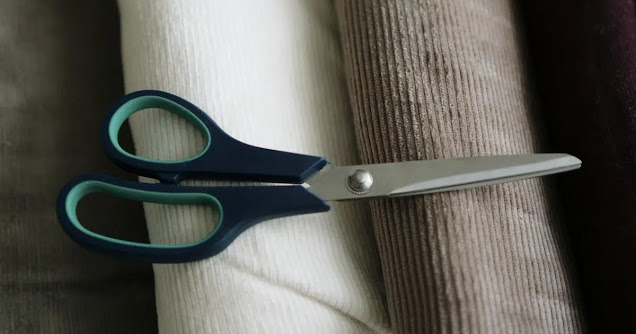
To keep things realistic, I chose a pair of kitchen scissors that had clearly seen better days.
These scissors had spent years cutting:
- Herb stems
- Food packaging
- Plastic bags
- Twine
- General household items
They weren’t completely useless, but they definitely struggled.
Materials Used
For the test, I gathered:
- One pair of dull kitchen scissors
- One cup of granulated white sugar
- A small bowl
- Paper for testing
- Fabric scraps
- Plastic wrap
Nothing fancy. Just everyday household items.
The Initial Test
Before starting, I checked how well the scissors performed.
The results weren’t impressive.
When cutting paper:
- The blades snagged
- The paper crumpled
- Cuts looked jagged
- Extra force was required
Fabric wasn’t much better.
The scissors could still cut, but only with noticeable resistance.
Clearly, the blades needed help.
Testing the Sugar Method
I poured the sugar into a bowl and began following the viral instructions.
For approximately three minutes, I:
- Stabbed the scissors repeatedly into the sugar
- Opened and closed the blades through the crystals
- Mimicked the motions shown in the videos
Sugar crystals scattered slightly around the bowl, and the blades accumulated a thin coating of fine sugar dust.
Afterward, I wiped the scissors clean with a damp cloth and prepared for the moment of truth.
The Results
Unfortunately, the dramatic transformation promised by the videos never happened.
When I tested the scissors again:
- Paper still snagged
- Cuts remained uneven
- Fabric cutting felt nearly identical
- Plastic wrap continued to bunch up
In short, I noticed no meaningful improvement.
If anything, the blades initially felt slightly rougher due to sugar residue until they were cleaned thoroughly.
The sugar trick simply didn’t sharpen the scissors.
Why Sugar Doesn’t Sharpen Metal
The disappointing result becomes easier to understand when you look at the science.
Sugar Is Too Soft
Effective sharpening requires a material harder than the metal being sharpened.
Steel used in scissors typically has a hardness far greater than granulated sugar.
Sugar crystals break apart easily when pressure is applied.
Rather than grinding or refining the blade edge, they simply crumble.
Because of this, sugar lacks the hardness necessary to remove metal and create a sharper cutting surface.
Sharpening Requires Precision
Real sharpening isn’t random.
Professional sharpening restores a blade by grinding at a consistent angle.
This process creates a clean, refined edge capable of slicing efficiently.
When scissors are plunged into sugar:
- Contact points are inconsistent
- Pressure varies constantly
- No controlled angle is maintained
Without precision, meaningful sharpening cannot occur.
The Difference Between Cleaning and Sharpening
Some people may experience a temporary improvement after trying the sugar trick.
In many cases, this likely occurs because the process removes dirt, sticky residue, or debris from the blades.
Cleaner blades often perform better.
However, cleaning and sharpening are not the same thing.
A clean dull blade remains dull.
Methods That Actually Work
If sugar isn’t the answer, what should you do when your scissors lose their edge?
Fortunately, there are several effective options.
Cut Aluminum Foil
This popular method has some merit.
Folding aluminum foil several times and making repeated cuts may help polish minor imperfections.
While it won’t restore severely worn blades, it can provide a small improvement.
Use Fine Sandpaper
Fine-grit sandpaper is genuinely abrasive.
Cutting through folded sandpaper can help refine light dullness and remove tiny burrs from the cutting edge.
Many crafters use this technique for maintenance between sharpenings.
Clean the Blades Thoroughly
Sometimes scissors feel dull because they’re dirty.
Sticky buildup from:
- Tape
- Glue
- Sap
- Food residue
can interfere with smooth cutting.
Cleaning blades with rubbing alcohol often restores performance surprisingly well.
Use a Scissor Sharpener
Dedicated scissor sharpeners are inexpensive and designed specifically for the task.
Many models cost less than twenty dollars and can provide significantly better results than DIY internet hacks.
Professional Sharpening
For high-quality scissors, professional sharpening remains the gold standard.
A skilled technician can restore blades to near-original performance by properly grinding and honing the cutting edges.
How to Keep Scissors Sharp Longer
Prevention is often easier than repair.
To extend the life of your scissors:
Use Them Only for Their Intended Purpose
One of the fastest ways to dull scissors is cutting inappropriate materials.
For example:
- Fabric scissors should stay dedicated to fabric.
- Kitchen shears should not be used for cardboard.
- Craft scissors should avoid heavy packaging.
Store Them Properly
Keep blades:
- Closed when not in use
- Protected from moisture
- Stored where edges won’t strike other tools
Clean Them Regularly
Removing residue prevents buildup that can affect performance.
A quick wipe after use can make a significant difference over time.
Why Viral Hacks Spread So Quickly
The sugar trick illustrates an interesting aspect of internet culture.
People love simple solutions.
A household item already sitting in the pantry feels far more appealing than purchasing a sharpener or visiting a professional.
These videos also create compelling before-and-after moments that attract attention, even when the results may not be entirely representative.
Sometimes the appeal of a hack comes more from hope than evidence.
Final Verdict: Save the Sugar for Baking
After testing the method myself and examining the science behind it, the conclusion is straightforward.
The viral sugar trick does not meaningfully sharpen dull scissors.
Sugar lacks the hardness required to grind or refine a steel edge, and the random contact between blade and crystal provides none of the precision needed for true sharpening.
While the process may help remove some surface debris, it won’t restore a worn cutting edge.
If your scissors are genuinely dull, your time is better spent cleaning them properly, using a dedicated sharpener, or seeking professional sharpening.
As for the sugar?
It belongs in your coffee, cookies, and cakes—not in your toolbox.
Sometimes the simplest solution isn’t a viral hack. It’s using the right tool for the job.