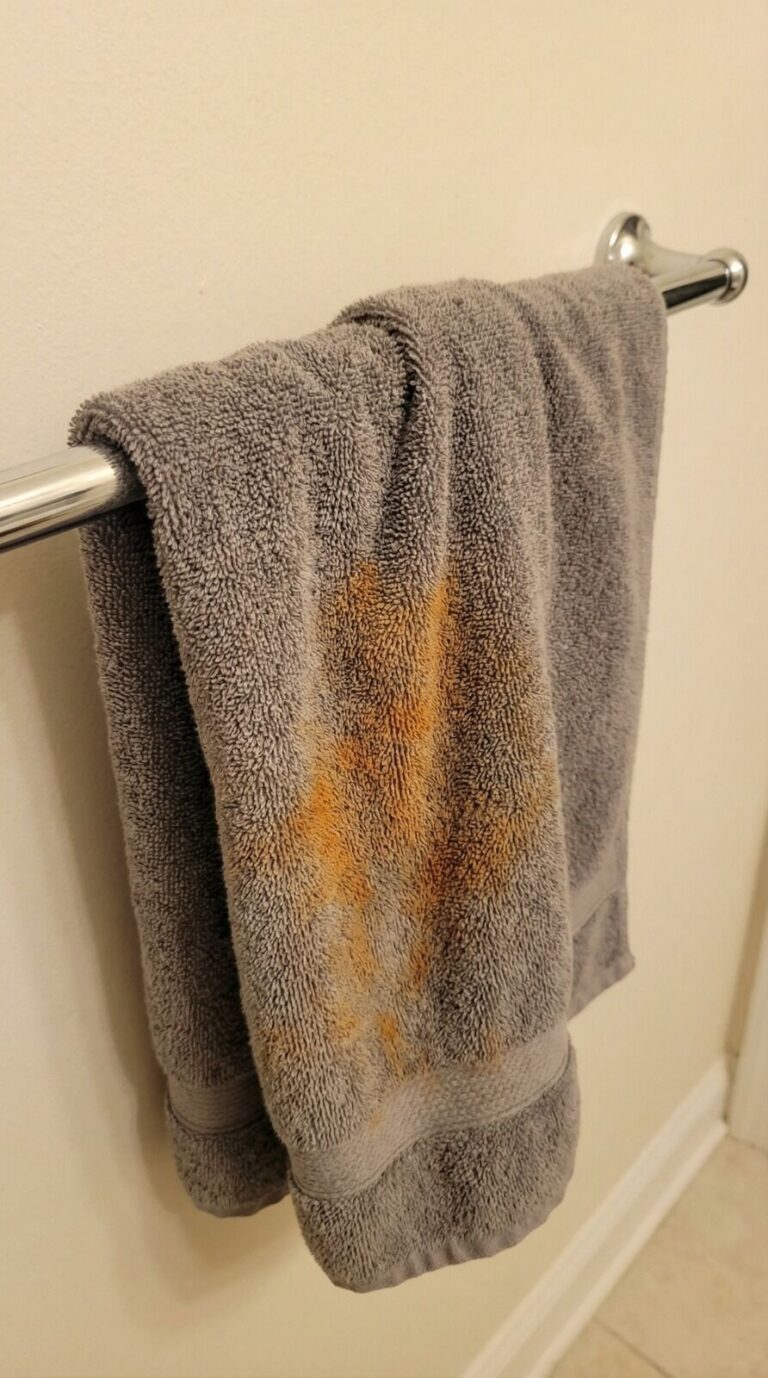
Few household frustrations are as disappointing as discovering a stubborn stain on a favorite shirt, tablecloth, or set of sheets. Whether it’s coffee during a busy morning, pasta sauce at dinner, or a mysterious grease spot that seems to appear out of nowhere, stains often feel permanent.
Fortunately, some of the most effective stain-removal solutions don’t come from expensive commercial products. Many everyday household ingredients can help lift stains, brighten fabrics, and eliminate odors naturally.
While no method works on every stain or fabric type, these simple techniques can often restore clothing and linens without relying on harsh chemicals.
Why Natural Stain Removers Work
Many pantry staples contain properties that help break down stains naturally.
For example:
- Mild acids can dissolve certain residues.
- Alkaline ingredients help loosen dirt and oils.
- Natural abrasives assist with lifting surface grime.
- Odor-neutralizing compounds freshen fabrics.
The key is choosing the right treatment for the type of stain and fabric involved.
Always check care labels before treating garments, and test any solution on a hidden area first.
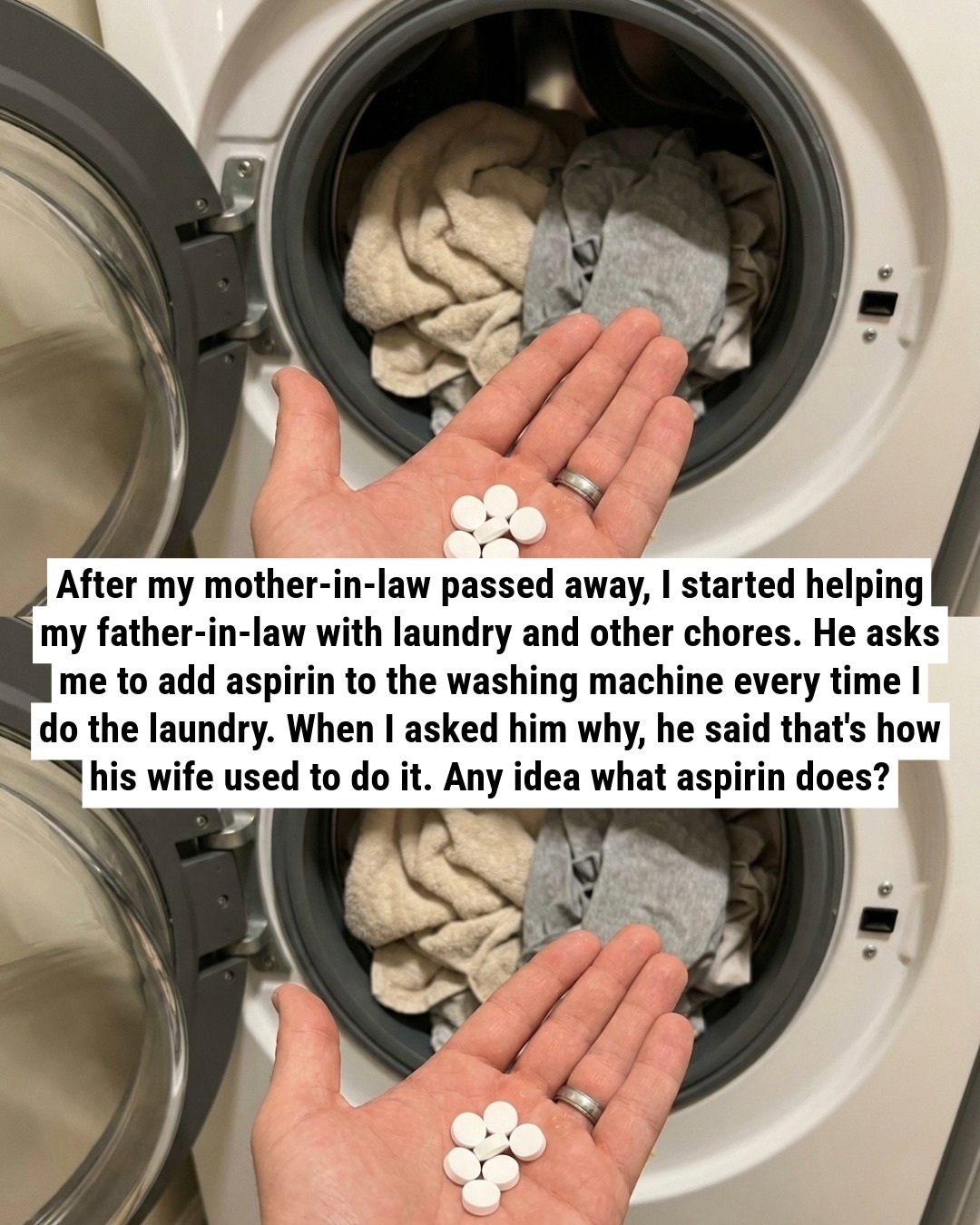
1. Aspirin Soak for Sweat Stains and Yellowing
One traditional laundry trick involves using plain aspirin tablets to help brighten stained fabrics.
Why It May Help
Aspirin contains acetylsalicylic acid, which can assist in breaking down some discoloration caused by sweat and body oils.
Many people use this method to tackle:
- Yellow underarm stains
- Collar discoloration
- Dingy white fabrics
- Grayish buildup on light-colored clothing
How to Use It
- Crush 5–6 uncoated aspirin tablets into a fine powder.
- Fill a basin or sink with warm water.
- Stir the powder into the water until dissolved.
- Soak the stained garment for 30–60 minutes.
- Wash according to the care label.
Best For
- White cotton shirts
- Athletic wear
- Light-colored fabrics
Avoid Using On
- Silk
- Wool
- Delicate specialty fabrics
The mild acidity may weaken sensitive fibers.
2. Vinegar and Lemon Solution for Food and Grease Stains
White vinegar and lemon juice have long been used as natural cleaning agents.
Why This Combination Works
White vinegar helps dissolve certain residues and neutralize odors.
Lemon juice contains citric acid, which may help brighten fabrics and loosen stains.
Together, they create a powerful natural pretreatment for many common household stains.
How to Use It
Mix:
- ½ cup white vinegar
- ½ cup fresh lemon juice
- ½ cup water
Apply directly to the stain or soak the affected area.
Allow it to sit for approximately 30 minutes before rinsing thoroughly and laundering as usual.
Best For
- Coffee stains
- Tea stains
- Tomato sauce
- Grass stains
- Mild grease spots
- Fruit stains
Extra Brightening Tip
After washing, allow white fabrics to dry in sunlight when appropriate.
Natural sunlight can provide additional brightening effects.
Avoid Using On
- Silk
- Leather
- Suede
- Delicate dyed fabrics
Citric acid may contribute to fading on some materials.
3. Baking Soda for Odors and Everyday Stains
Baking soda remains one of the most versatile household cleaning products available.
Why Baking Soda Works
Baking soda:
- Neutralizes odors
- Helps loosen dirt
- Acts as a mild abrasive
- Softens water during washing
Because it is gentle, it works well for many fabric-cleaning situations.
Method One: Baking Soda Paste
For concentrated stains:
- Mix three parts baking soda with one part water.
- Stir into a thick paste.
- Apply directly to the stain.
- Allow it to sit for 15–30 minutes.
- Rinse and wash normally.
Method Two: Baking Soda Soak
For odors or widespread grime:
- Dissolve one cup of baking soda in warm water.
- Soak clothing for 15–30 minutes.
- Launder as usual.
Best For
- Gym clothing
- Musty laundry
- Mud stains
- General dirt
- Underarm odors
Laundry Booster Tip
Adding ½ cup of baking soda directly to the washing machine may help improve freshness and reduce odors.
Quick Stain Guide
Different stains respond better to different treatments.
| Stain Type | Recommended Treatment |
|---|---|
| Coffee | Vinegar and lemon solution |
| Tea | Vinegar and lemon solution |
| Grease | Baking soda paste first |
| Grass | Vinegar and lemon solution |
| Sweat stains | Aspirin soak |
| Mud | Baking soda treatment |
| Wine | Blot immediately, then vinegar treatment |
| Odors | Baking soda soak |
Common Stain-Removal Mistakes
Sometimes the biggest problem isn’t the stain itself—it’s the treatment method.
Using Hot Water Too Soon
Hot water can permanently set certain stains, especially:
- Blood
- Dairy
- Eggs
- Sweat proteins
Use cold water first when treating protein-based stains.
Scrubbing Aggressively
Vigorous rubbing often pushes stains deeper into fibers and may damage fabric.
Instead, blot or gently work treatments into the stain.
Waiting Too Long
Fresh stains are usually much easier to remove than old ones.
Treat spills as soon as possible whenever practical.
Skipping the Rinse
Cleaning residue left behind can attract dirt and cause discoloration over time.
Always rinse treatments thoroughly before laundering.
Important Safety Notes
Even natural ingredients should be used carefully.
Never mix:
- Vinegar and bleach
- Lemon juice and bleach
Combining acidic cleaners with bleach can produce dangerous fumes.
Always store cleaning products safely and keep them out of reach of children and pets.
Preventing Future Stains
While accidents happen, a few simple habits can help protect clothing and linens.
Consider:
- Treating spills immediately
- Wearing aprons while cooking
- Using stain-resistant tablecloths
- Washing heavily soiled items promptly
- Keeping baking soda and vinegar readily available
Small actions often prevent stains from becoming permanent problems.
Final Thoughts
You don’t always need expensive specialty products to rescue stained clothing and linens. Many effective stain-fighting ingredients may already be sitting in your kitchen cabinet.
Aspirin can help brighten yellowed fabrics. Vinegar and lemon can tackle many food-related stains. Baking soda remains one of the best all-purpose solutions for odors and everyday grime.
Although no stain-removal method works perfectly every time, these simple household remedies can often save favorite garments, freshen linens, and extend the life of fabrics naturally.
The next time a spill threatens your favorite shirt, don’t panic. Your best stain remover may already be waiting in the pantry.
More Home Remedies
- Wrinkled Fingers After Water Exposure: What Your Skin May Be Telling You
- Skin Rash With Breathing Trouble? It Could Be a Life-Threatening Allergic Reaction
- I Thought It Was a Piece of Trash on the Bathroom Floor—Until It Moved
- If You Are Getting White Pimples on Your Lips or Intimate Area, Here’s What They Could Mean