How to Get Rid of Pantry Moths and Keep Them Out for Good is something many homeowners search after spotting those tiny fluttering moths near kitchen lights or discovering mysterious webbing inside a bag of flour. One moment your pantry seems perfectly clean, and the next you realize pests have quietly invaded your food storage.
The frustrating part is that pantry moths usually arrive long before you notice them. They often hitchhike home inside sealed packages from the grocery store, hiding as tiny eggs inside grains, cereal, rice, pasta, nuts, or pet food. By the time adult moths appear, the infestation has usually already spread.
I still remember opening a container of oatmeal one evening and noticing thin silky threads stretching across the surface. At first, I thought it was dust or packaging fibers. Then I saw movement. Within days, tiny moths started appearing near the pantry light every evening. I cleaned shelves three separate times before finally learning that pantry moths hide in cracks, corners, unopened boxes, and even under shelf liners. Once I followed a complete system instead of random cleaning, the problem finally disappeared for good.
What Pantry Moths Actually Are
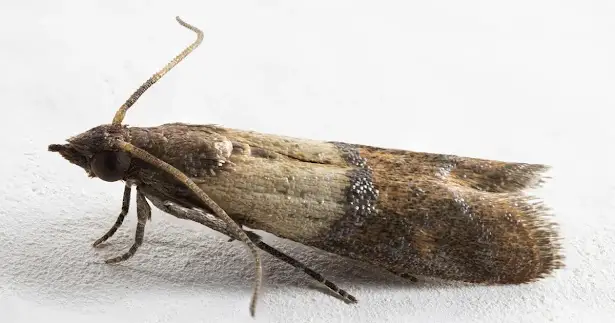
Pantry moths, often called Indian meal moths, are one of the most common household pantry pests. Unlike clothing moths, these insects target dry food products.
Adult moths themselves do not damage food very much. The real problem comes from their larvae.
Where Pantry Moths Hide
Pantry moth larvae commonly infest:
- Flour
- Rice
- Pasta
- Cereal
- Crackers
- Nuts
- Seeds
- Dried fruit
- Chocolate
- Pet food
- Birdseed
They spin thin webbing that clumps food together and creates the unmistakable signs people usually notice first.
Why Pantry Moths Spread So Quickly
A single female moth can lay hundreds of eggs. Because the eggs are tiny and nearly invisible, infestations often spread before homeowners realize anything is wrong.
That is why seeing even one adult moth should immediately trigger a full pantry inspection.
Signs You Have Pantry Moths
Pantry moth infestations often begin subtly.
Common Warning Signs
Watch for:
- Small gray or brown moths flying near lights
- Tiny worms or larvae inside food
- Silky webbing in food packages
- Clumped grains or flour
- Cocoons in pantry corners
- Strange odors in dry goods
Most people first notice adult moths flying during evening hours.
Why One Moth Usually Means More
Unfortunately, seeing one moth rarely means there is only one moth.
Adult moths are usually the final visible stage of a much larger hidden infestation already growing inside stored food products.
Step 1: Empty the Entire Pantry
The first step is complete inspection.
Remove Everything
Take every item out of:
- Pantry shelves
- Cabinets
- Drawers
- Food baskets
- Pet food storage areas
Even unopened products should be checked carefully.
Inspect Packages Thoroughly
Hold packages up to light and look for:
- Tiny holes
- Webbing
- Larvae
- Clumped contents
- Movement
Cardboard and thin plastic offer very little protection against larvae.
Step 2: Throw Away Contaminated Food
This step feels wasteful, but it is essential.
What Should Be Discarded
Throw away anything showing:
- Webs
- Larvae
- Clumps
- Strange smells
- Cocoon material
When in doubt, it is usually safer to discard questionable items.
Seal Trash Immediately
Place contaminated products inside sealed garbage bags and remove them from the home quickly. Otherwise, surviving moths may escape and restart the cycle.
Step 3: Deep Clean the Pantry
Cleaning removes eggs and hidden cocoons that survive after food removal.
Vacuum Every Surface
Vacuum:
- Shelf corners
- Cracks
- Cabinet seams
- Hinges
- Shelf brackets
- Under liners
Pay close attention to tiny crevices because moth larvae love dark hidden spaces.
Wash Shelves Thoroughly
Use:
- Hot soapy water
- Vinegar solution
- Mild disinfectant
Then dry everything completely before returning food.
Moisture encourages future pest problems.
Step 4: Freeze or Protect Dry Goods
Many people unknowingly reintroduce moth eggs with new groceries.
Freeze Newly Purchased Dry Goods
Place new pantry items in the freezer for 4 days before storage.
This kills:
- Eggs
- Larvae
- Hidden pests
It works especially well for:
- Flour
- Rice
- Oats
- Nuts
- Seeds
Use Airtight Containers
The best long-term defense is proper storage.
Use:
- Glass jars
- Thick plastic containers
- Sealed food bins
Avoid relying on:
- Thin plastic bags
- Cardboard boxes
- Paper packaging
Pantry moth larvae can chew through surprisingly weak materials.
Step 5: Use Pantry Moth Traps
Pheromone traps help interrupt the breeding cycle.
How Traps Work
These traps attract male moths using scent pheromones. Capturing males reduces reproduction and helps monitor infestation levels.
Where to Place Traps
Place traps:
- Near pantry shelves
- Inside cabinets
- Close to food storage areas
Replace them regularly according to package instructions.
Natural Ways to Deter Pantry Moths
Some natural scents may help discourage moth activity.
Common Natural Deterrents
Many people use:
- Bay leaves
- Cedar blocks
- Peppermint oil
- Lavender sachets
While these methods do not eliminate infestations alone, they may help support prevention efforts.
Avoid Direct Food Contact
Essential oils should never touch food directly. Keep oils on cotton balls or separate scent pouches only.
Mistakes That Keep Pantry Moths Coming Back
Many infestations return because one hidden source survives.
Incomplete Cleaning
Missing even one contaminated item allows eggs and larvae to continue developing.
Keeping “Almost Fine” Food
People often try saving partially contaminated products. Unfortunately, invisible eggs may remain.
Ignoring Pet Food
Pet food and birdseed are extremely common moth breeding areas.
Always inspect them carefully.
How Long Does It Take to Eliminate Pantry Moths?
Most infestations improve dramatically within 1–2 weeks after aggressive cleaning and food removal.
However, monitoring should continue for at least 2 months because overlooked eggs may hatch later.
Consistency matters more than speed.
Frequently Asked Questions
Are pantry moths dangerous?
They are not directly harmful, but contaminated food should not be eaten because it may contain bacteria or mold.
Can pantry moths infest unopened food?
Yes. Eggs often arrive from stores inside sealed products.
Do pantry moths bite people?
No. Pantry moths do not bite humans or pets.
Can larvae chew through plastic?
Yes. Thin plastic and cardboard are surprisingly vulnerable.
Should I call an exterminator?
Usually not. Most pantry moth infestations can be eliminated with thorough cleaning and proper food storage.
Final Thoughts
How to Get Rid of Pantry Moths and Keep Them Out for Good comes down to acting quickly, cleaning thoroughly, and changing how dry goods are stored.
Pantry moths are incredibly common, and they do not mean your kitchen is dirty. These pests often arrive hidden inside store-bought products long before you notice them.
The key is persistence:
- Inspect everything carefully
- Discard contaminated food
- Vacuum every corner
- Store foods properly
- Use traps consistently
Once you break the breeding cycle and seal food correctly, your pantry can become completely moth-free again.
And after going through it once, you will never look at a forgotten bag of flour the same way again.
More Home Remedies
- California Mom Issues Urgent Fireworks Warning After Teen Suffers Devastating Hand Injuries
- This Is the Silent Disease That Can Strike Without Warning
- The Midnight Ache: Understanding Nighttime Leg Cramps and How to Find Relief
- My 8-Year-Old Has Been Experiencing This for Two Months—Understanding Hives in Children