There is something deeply comforting about homemade jam. The gentle bubbling on the stove, the sweet aroma filling the kitchen, and the simple transformation of fresh fruit into glossy jars of flavor all create a feeling that store-bought preserves rarely capture.
Homemade jam is more than a recipe. It is patience, tradition, and creativity blended together in one pot. Long before supermarkets lined shelves with colorful jars, families preserved seasonal fruit at home so they could enjoy sweetness long after harvest season ended.
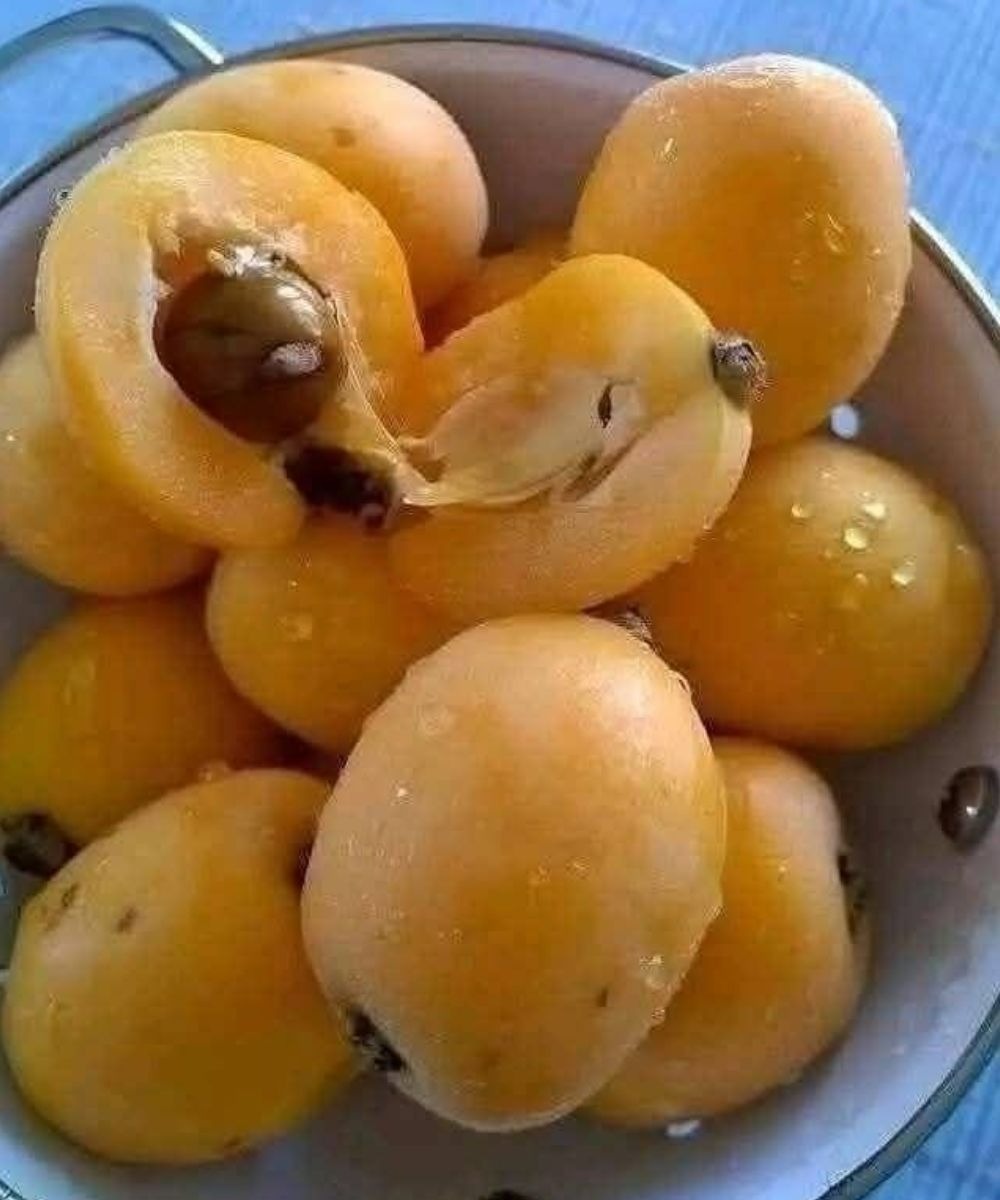
One of the most charming examples of this tradition is Jam Mazah, sometimes called Mazaah Confitor. This simple fruit preserve relies on only a few ingredients and slow cooking to develop rich flavor naturally. No complicated equipment is required, and the process itself becomes part of the reward.
A woman once remembered visiting her aunt during summer harvest season. Behind the house stood several fruit trees, including one old quince tree most people ignored because the fruit was tart and difficult to prepare. Her aunt patiently peeled, chopped, and simmered the fruit for hours until the kitchen smelled warm and sweet. By evening, jars of glowing amber jam cooled along the windowsill while the metal lids softly pinged into place. Years later, she still described that day as the moment she truly understood how food can preserve memories as much as flavor.
What Makes Homemade Jam So Special?
Slow Cooking Creates Deeper Flavor
Many commercial jams cook quickly with added pectin and large amounts of sugar.
Traditional homemade jam takes a slower approach.
As fruit gently simmers:
- Water evaporates
- Natural sugars concentrate
- Flavor deepens
- Texture thickens naturally
This slower cooking process creates a richer and more complex taste that highlights the fruit itself rather than overwhelming sweetness.
The result tastes more authentic and vibrant.
Homemade Jam Uses Simple Ingredients
One reason many people love Jam Mazah is its simplicity.
At its core, the recipe usually contains:
- Fruit
- Sugar
- Lemon juice
That is all.
Lemon juice helps activate the fruit’s natural pectin while balancing sweetness with acidity.
Unlike some processed preserves, homemade jam allows the fruit flavor to remain the center of attention.
Choosing the Best Fruit for Jam
Almost Any Fruit Can Work
One of the most exciting parts of jam-making is flexibility.
Many fruits work beautifully, including:
- Strawberries
- Blueberries
- Peaches
- Apricots
- Cherries
- Apples
- Pears
- Figs
- Quinces
- Mixed berries
Different fruits create different textures, colors, and levels of sweetness.
Some fruits contain more natural pectin, while others may need slightly longer cooking times.
Slightly Underripe Fruit Often Works Best
Very ripe fruit tastes sweet but may contain less natural pectin.
Slightly underripe fruit often provides:
- Better thickening
- Brighter acidity
- Stronger structure
For example:
- Firm apples
- Slightly tart berries
- Fresh peaches
can create beautifully balanced jam textures.
At the same time, bruised or spoiled fruit should always be avoided because it affects flavor and shelf life.
The Science Behind Jam Thickening
Natural Pectin Does the Work
Pectin is a natural fiber found in fruit.
When combined with:
- Sugar
- Acid
- Heat
it forms the gel-like consistency associated with jam.
Some fruits naturally contain more pectin than others.
High-pectin fruits include:
- Apples
- Quinces
- Citrus
- Plums
Lower-pectin fruits such as strawberries may require slightly longer cooking to thicken properly.
Why Lemon Juice Matters
Lemon juice plays several important roles in jam-making.
It helps:
- Activate pectin
- Brighten flavor
- Balance sweetness
- Improve preservation
Without enough acidity, some jams may remain runny.
Even a small amount of lemon juice can dramatically improve texture and flavor balance.
Step-by-Step Jam-Making Process
Preparing the Fruit
The first step involves washing and preparing the fruit carefully.
Depending on the fruit, preparation may include:
- Peeling
- Coring
- Pitting
- Chopping
- Mashing
Smaller pieces cook more evenly and break down faster.
People who prefer chunky rustic jam may leave larger fruit pieces intact.
Those who prefer smoother jam may lightly mash the fruit before cooking.
Macerating the Fruit
One traditional technique involves combining fruit and sugar before cooking and allowing the mixture to rest.
This process, called maceration, helps:
- Draw out natural juices
- Dissolve sugar
- Improve texture
- Enhance flavor
Even 30 to 60 minutes of resting time can make a noticeable difference.
Slow Simmering Creates the Magic
Once heated, the fruit mixture gradually transforms.
During cooking:
- Foam rises to the top
- Fruit softens
- Liquid thickens
- Color deepens
Gentle simmering works best because aggressive boiling may scorch the jam or alter texture.
The kitchen often fills with an incredible aroma during this stage.
How to Tell When Jam Is Ready
The Plate Test Is Simple and Reliable
Traditional jam makers often rely on the “plate test” instead of thermometers.
The process works like this:
- Place a small plate in the freezer
- Spoon hot jam onto the cold plate
- Wait 30 seconds
- Push the jam gently with a finger
If the surface wrinkles slightly and holds shape, the jam is usually ready.
If it runs quickly like syrup, it needs more cooking time.
Texture Continues Changing as Jam Cools
Many beginners worry that warm jam seems too thin.
However, jam thickens significantly while cooling.
Overcooking may create jam that becomes overly stiff or sticky once cold.
Patience is important.
Storing Homemade Jam Safely
Refrigerator Storage
Simple refrigerator storage works well for small batches.
Refrigerated jam usually stays fresh for:
- 3 to 4 weeks
Clean jars and proper sealing help extend freshness.
Freezing Jam
Jam also freezes surprisingly well.
When freezing:
- Leave headspace for expansion
- Use freezer-safe jars
- Label jars clearly
Frozen jam may last:
- Up to 6 months
Water-Bath Canning
People who want shelf-stable storage often use water-bath canning.
This process creates airtight seals that allow safe room-temperature storage for much longer periods.
Sterilized jars and proper processing times are important for safety.
Common Jam Problems and Easy Fixes
Why Jam Sometimes Stays Runny
Several factors can prevent jam from setting properly.
Common causes include:
- Insufficient cooking
- Too little acid
- Too little sugar
- Low-pectin fruit
Fortunately, many runny jams can be fixed by simmering longer or adding a little extra lemon juice.
Why Jam Becomes Too Thick
Overcooked jam may become:
- Rubbery
- Sticky
- Too stiff
Adding a small amount of water or lemon juice while reheating may help loosen the texture.
Foam Is Completely Normal
Foam naturally rises during cooking because air becomes trapped in the boiling fruit mixture.
Skimming foam helps create:
- Clearer jam
- Smoother appearance
- Cleaner flavor
Although harmless, removing excess foam improves presentation.
Creative Flavor Variations
Warm Spices Add Complexity
Simple additions can completely transform homemade jam.
Popular flavor additions include:
- Cinnamon sticks
- Vanilla
- Ginger
- Cardamom
- Star anise
These ingredients create warm, aromatic preserves perfect for colder seasons.
Mixing Fruits Creates Unique Blends
Many jam makers enjoy combining fruits for layered flavor.
Examples include:
- Strawberry-blueberry
- Peach-apricot
- Apple-pear
- Fig-cardamom
Experimenting with combinations often leads to surprisingly delicious results.
Delicious Ways to Use Homemade Jam
Breakfast Favorites
Jam naturally pairs with:
- Toast
- Biscuits
- Pancakes
- Oatmeal
- Yogurt
Even a small spoonful can add brightness and sweetness to simple breakfasts.
Savory Pairings
Homemade jam also works beautifully in savory dishes.
It pairs well with:
- Cheese boards
- Roasted meats
- Salad dressings
- Sandwiches
Berry jams mixed with vinegar or mustard create flavorful glazes and sauces.
Baking and Desserts
Jam can fill:
- Cakes
- Cookies
- Pastries
- Thumbprint cookies
It also works as a topping for cheesecakes and ice cream.
Why Homemade Jam Feels So Meaningful
Preserving More Than Fruit
Many people discover that jam-making becomes emotionally satisfying in unexpected ways.
The process encourages:
- Slower living
- Creativity
- Patience
- Seasonal awareness
Each jar captures not only fruit but also time, effort, and memory.
Homemade Food Creates Connection
Giving someone homemade jam often feels deeply personal.
A simple jar can communicate:
- Care
- Hospitality
- Tradition
- Warmth
This may explain why homemade preserves continue surviving even in modern kitchens filled with convenience foods.
Frequently Asked Questions
Do I need commercial pectin for homemade jam?
No. Many fruits contain enough natural pectin when combined with sugar and lemon juice.
Why is lemon juice important?
Lemon juice helps activate pectin and balances sweetness with acidity.
Can I reduce the sugar?
Yes, but lower sugar may affect texture, preservation, and thickness.
How long does homemade jam last?
Refrigerated jam usually lasts several weeks, while frozen or canned jam lasts much longer.
What fruits work best for jam?
Berries, peaches, apples, pears, figs, cherries, and quinces all work beautifully.
Conclusion
Homemade jam is one of the simplest ways to transform ordinary fruit into something lasting and memorable. With only a few ingredients and a little patience, fresh produce becomes glossy jars filled with rich flavor, warmth, and tradition.
Jam Mazah reminds people that great food does not always require complicated techniques or expensive ingredients. Sometimes the most satisfying recipes come from slowing down, stirring patiently, and letting simple ingredients speak for themselves.
Whether spread across warm toast, spooned into yogurt, or gifted to someone special, homemade jam carries something many store-bought products cannot replicate — a sense of care, memory, and homemade comfort.
And perhaps that is why these old recipes continue surviving generation after generation. Because every jar holds more than sweetness alone. It holds a small reminder that some of life’s best things still come slowly.
More Home Remedies
- Wrinkled Fingers After Water Exposure: What Your Skin May Be Telling You
- Skin Rash With Breathing Trouble? It Could Be a Life-Threatening Allergic Reaction
- I Thought It Was a Piece of Trash on the Bathroom Floor—Until It Moved
- If You Are Getting White Pimples on Your Lips or Intimate Area, Here’s What They Could Mean