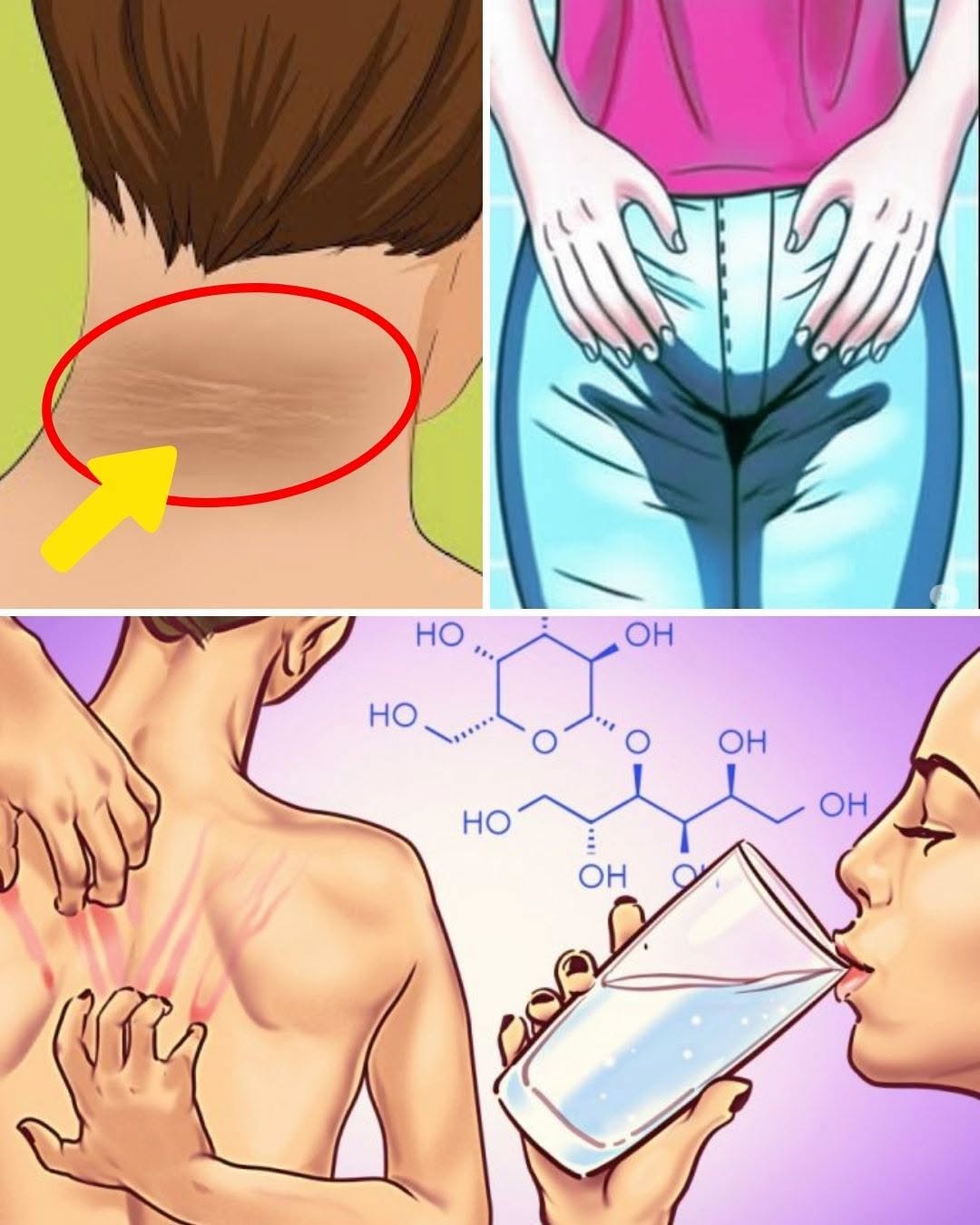
The 8 Signs That Indicate You Have Too Much Sugar in Your Body can be easy to overlook because high blood sugar does not always make someone feel obviously sick. In fact, type 2 diabetes can develop slowly, and some people notice few or no symptoms for years. However, when blood glucose rises enough, the body often begins sending recognizable signals.
People often describe this problem as having “too much sugar in the body,” but the more accurate term is high blood glucose, or hyperglycemia. Glucose provides essential energy, so your body needs it. Problems develop when glucose remains in the bloodstream at levels that are too high because the body does not make enough insulin, cannot use insulin effectively, or both.
Importantly, symptoms alone cannot diagnose diabetes. Several everyday conditions can cause thirst, fatigue, blurry vision, frequent urination, or changes in appetite. Therefore, blood testing matters whenever these symptoms become persistent or appear together.
A few years ago, someone in my extended family started carrying a water bottle everywhere. At first, everyone joked that he had finally become serious about hydration. However, he also started waking several times each night to use the bathroom, and he looked unusually tired during the day. Because each change seemed small on its own, he ignored them for months. Eventually, a routine medical appointment led to blood testing and an explanation. That experience changed how I think about subtle symptoms. One unusual day means little, but several persistent changes deserve attention. Sometimes the body whispers long before it forces us to listen.
Understanding the First Signs of High Blood Sugar
1. You Feel Thirsty Much More Often
Persistent thirst ranks among the most recognizable signs of high blood glucose. When extra glucose circulates in your bloodstream, your kidneys work to remove some of it through urine. As a result, your body can lose more fluid than usual.
Therefore, you may feel thirsty even after drinking plenty of water.
This thirst often feels different from the temporary thirst you experience after exercise, salty food, or a hot afternoon. Instead, it may continue throughout the day. You might keep refilling your glass, wake up wanting water, or notice an unusually dry mouth.
Still, thirst does not automatically mean diabetes. Hot weather, medications, dehydration, high-sodium meals, fever, and many other conditions can make you thirsty.
However, increased thirst becomes more meaningful when it appears alongside another classic symptom: frequent urination.
NIDDK lists increased thirst and urination among the common symptoms of diabetes, while the American Diabetes Association also identifies them as key symptoms of hyperglycemia.
Consequently, a sudden and lasting change in how much you drink should not simply become your new normal without explanation.
2. You Urinate More Frequently, Especially at Night
Frequent urination often accompanies increased thirst.
When blood glucose becomes high, the kidneys may remove more glucose through urine. Water follows that glucose, so urine volume can rise. Consequently, you may visit the bathroom much more often than before.
For some people, nighttime changes become especially noticeable. You may start waking several times to urinate even though you previously slept through the night.
Of course, frequent urination has many possible causes. Increased fluid intake, urinary tract problems, pregnancy, prostate conditions, certain medications, caffeine, and other health issues can all change bathroom habits.
Nevertheless, persistent thirst and frequent urination occurring together deserve attention.
NIDDK specifically notes that people with regularly elevated blood glucose may urinate too often.
Moreover, repeatedly losing fluid can contribute to dehydration, which may leave you feeling dry, weak, or unusually tired.
Energy, Hunger, and Weight Can Change
3. You Feel Tired Even After Resting
Everyone feels tired occasionally. A difficult week, poor sleep, stress, illness, or a demanding schedule can drain your energy.
However, persistent fatigue can also occur when blood glucose stays high.
Glucose circulates in the bloodstream to provide fuel, but cells need insulin to use that glucose effectively. With diabetes, the body may not produce enough insulin or may not respond to it properly. Therefore, having plenty of glucose in the blood does not necessarily mean that cells can access energy normally.
As a result, some people describe heavy, stubborn fatigue that does not improve as much as expected after sleeping.
Additionally, excessive urination can interrupt sleep. Dehydration may also worsen tiredness. Therefore, several effects can overlap.
NIDDK includes fatigue among common diabetes symptoms, and it notes that people with high blood glucose may feel tired.
Still, fatigue remains extremely nonspecific. Anemia, sleep apnea, thyroid disorders, infections, depression, medication effects, nutritional deficiencies, and countless other conditions can produce similar symptoms.
Therefore, instead of assuming that fatigue means high blood sugar, pay attention to patterns. Fatigue alongside unusual thirst, frequent urination, blurry vision, or unexplained weight changes provides a stronger reason to discuss testing with a healthcare professional.
4. You Feel Hungry Even After Eating or Lose Weight Unexpectedly
Persistent hunger can seem confusing when blood glucose is already high.
However, glucose must move from your blood into your cells before your body can use it efficiently for energy. When insulin does not work properly, your cells may struggle to access that fuel.
Consequently, some people feel unusually hungry even after eating.
NIDDK lists increased hunger among common symptoms of diabetes.
Unexpected weight loss can also occur, particularly with type 1 diabetes. When the body cannot use glucose normally, it may begin breaking down stored fat and muscle for energy.
Therefore, someone may eat normally or even feel hungrier while still losing weight.
Unexplained weight loss deserves medical attention regardless of whether diabetes causes it. Many other conditions can contribute to unintended weight loss, so it should never become something you diagnose from an online symptom list alone.
Moreover, type 1 diabetes symptoms can develop rapidly over days or weeks, whereas type 2 symptoms often emerge much more gradually.
That distinction matters because rapidly worsening thirst, urination, weight loss, weakness, nausea, or breathing problems can require urgent evaluation.
Changes in Vision, Skin, and Healing Matter Too
5. Your Vision Becomes Blurry
High blood glucose can temporarily affect vision.
Changes in glucose levels can influence fluid balance in parts of the eye, which may make vision seem blurry or difficult to focus. NIDDK includes blurred vision among the recognized symptoms of diabetes, and high blood glucose can also cause blurry vision.
You may notice that words appear less sharp, your usual glasses seem less effective, or your vision seems to fluctuate.
However, blurry vision has many potential causes. Dry eyes, eyestrain, migraine, prescription changes, cataracts, retinal conditions, and other problems can affect sight.
Therefore, never assume that changing vision simply reflects blood sugar.
Sudden significant vision loss, severe eye pain, new flashing lights, or a curtain-like shadow over your vision requires prompt medical attention.
Long-term uncontrolled diabetes can also damage blood vessels in the eyes. Consequently, regular eye care becomes especially important for anyone already diagnosed with diabetes.
The key distinction involves persistence and pattern. Temporary minor blurring after staring at a screen differs from repeated unexplained changes that occur alongside thirst, fatigue, or frequent urination.
6. Cuts and Sores Heal More Slowly Than Expected
Most small cuts begin improving steadily with ordinary care. However, persistently high blood glucose can interfere with several processes involved in healing.
Over time, diabetes can affect circulation, immune function, and nerve health. Consequently, wounds may heal more slowly, particularly on the feet or lower legs.
NIDDK includes sores that do not heal among recognized diabetes symptoms.
Therefore, repeatedly noticing that minor wounds linger longer than expected deserves attention.
You should also take foot wounds seriously if you already have diabetes. Reduced sensation can make it easier to overlook an injury, while circulation problems can complicate healing.
However, diabetes does not cause every slow-healing wound. Poor circulation from other causes, smoking, infection, nutritional problems, medications, and repeated irritation can also delay recovery.
Seek medical care promptly if a wound becomes increasingly red, swollen, warm, painful, or begins draining pus. Fever, spreading redness, or rapidly worsening tissue changes can signal infection and require timely treatment.
Recurrent Infections and Nerve Symptoms Can Provide Additional Clues
7. You Experience Frequent Infections
Repeated infections can sometimes accompany diabetes.
NIDDK lists frequent urinary tract, skin, and yeast infections among common diabetes symptoms.
High glucose levels can create conditions that make certain infections easier to develop, while poorly controlled diabetes may weaken parts of the body’s immune response.
Consequently, someone may notice repeated yeast infections, recurring skin problems, or urinary infections.
However, frequent infections have many potential explanations. Medication use, immune disorders, hormonal changes, hygiene factors, anatomical conditions, antibiotic exposure, and other medical issues can contribute.
Therefore, the important clue involves a change from your normal pattern.
If you rarely experienced infections before and suddenly begin dealing with them repeatedly, tell your healthcare professional. Likewise, recurrent infections alongside thirst, frequent urination, fatigue, or blurry vision can strengthen the reason to check blood glucose.
Good glucose management can also become important after a diabetes diagnosis because persistently elevated blood sugar can make infections harder to manage.
8. You Notice Tingling or Numbness in Your Hands or Feet
Tingling, burning, numbness, or a pins-and-needles sensation in the feet or hands can sometimes appear in people with diabetes.
Persistently high blood glucose can damage nerves over time, producing diabetic neuropathy. NIDDK notes that some people with type 2 diabetes discover the condition after developing numbness, pain, or tingling in their feet or hands.
However, nerve symptoms should never automatically get blamed on sugar.
Vitamin B12 deficiency, pinched nerves, carpal tunnel syndrome, spinal problems, alcohol-related nerve damage, medication effects, thyroid disorders, circulation problems, and several neurological conditions can cause similar sensations.
Therefore, persistent or worsening numbness deserves proper medical evaluation.
Sudden numbness or weakness affecting one side of the body, especially with facial drooping, difficulty speaking, confusion, or severe headache, can indicate a medical emergency and requires immediate attention.
For gradual symptoms, a clinician may review your blood glucose, nutritional status, medications, circulation, and neurological health to identify the cause.
Frequently Asked Questions
Can I tell whether my blood sugar is high just by how I feel?
No. Symptoms can provide clues, but they cannot confirm high blood glucose. Some people with diabetes have few or no noticeable symptoms, particularly during the early stages of type 2 diabetes. Blood testing provides the reliable way to diagnose diabetes.
Does eating too much sugar directly cause diabetes?
Not in the simple way that phrase suggests. Type 1 and type 2 diabetes have different causes. Type 2 diabetes involves factors such as insulin resistance, genetics, body weight, physical activity, age, and other health influences. A dietary pattern that contributes to excess calorie intake and weight gain can affect type 2 diabetes risk, but eating one sugary dessert does not directly create diabetes.
Can someone have diabetes without any of these eight signs?
Yes. Many people with type 2 diabetes have no symptoms or symptoms so mild that they do not notice them. Therefore, people with relevant risk factors may need testing even when they feel well.
When does high blood sugar become an emergency?
Very high blood glucose can become dangerous. Diabetic ketoacidosis can cause nausea, vomiting, very dry mouth, fruity-smelling breath, trouble breathing, severe fatigue, confusion, or fainting. It requires immediate treatment.
What should I do if I recognize several of these symptoms?
Arrange a medical evaluation rather than trying to diagnose yourself. A healthcare professional can use blood tests and your medical history to determine whether diabetes, prediabetes, another condition, or a temporary problem explains the symptoms.
Conclusion
The 8 Signs That Indicate You Have Too Much Sugar in Your Body are better understood as possible warning signs of persistently high blood glucose. Increased thirst, frequent urination, fatigue, increased hunger or unexplained weight loss, blurry vision, slow-healing sores, recurrent infections, and tingling or numbness can all occur with diabetes.
However, none of these symptoms proves that you have diabetes.
That distinction matters because the same symptoms can arise from many unrelated conditions. Furthermore, some people with diabetes experience no obvious symptoms at all.
Therefore, the most valuable response to a persistent change is not panic. It is testing.
If several of these symptoms have appeared together, especially if they continue for days or weeks, discuss them with a healthcare professional. Blood tests can provide information that symptoms alone cannot.
Likewise, do not ignore rapidly worsening symptoms. Severe weakness, vomiting, trouble breathing, fruity-smelling breath, confusion, fainting, or other signs of serious illness require urgent medical attention.
High blood glucose becomes much easier to address when people recognize it early. Consequently, knowing the warning signs can help you notice meaningful changes without turning every tired day or extra glass of water into a reason for alarm.
The goal is simple: notice patterns, take persistent symptoms seriously, and let appropriate testing provide the answer.
More Home Remedies
- Wrinkled Fingers After Water Exposure: What Your Skin May Be Telling You
- Skin Rash With Breathing Trouble? It Could Be a Life-Threatening Allergic Reaction
- I Thought It Was a Piece of Trash on the Bathroom Floor—Until It Moved
- If You Are Getting White Pimples on Your Lips or Intimate Area, Here’s What They Could Mean