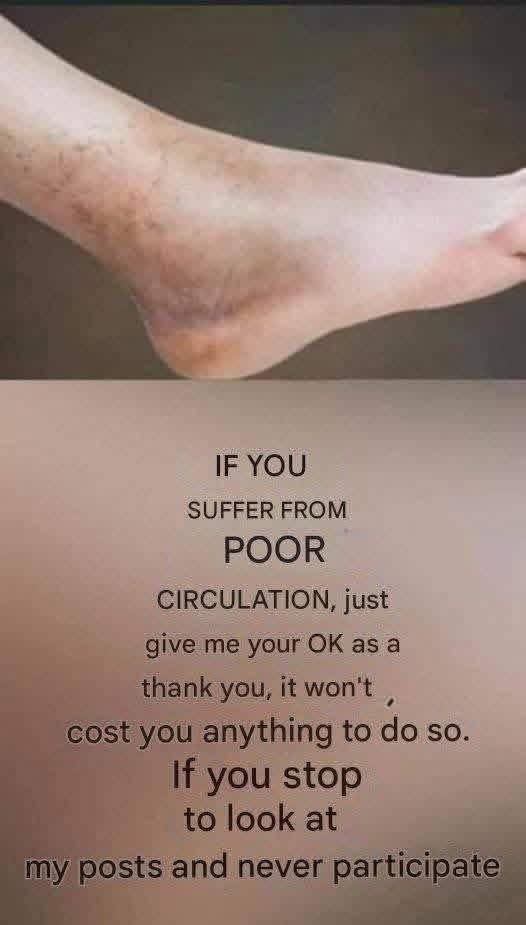
That constant heaviness, aching, or tired feeling in your legs is not something you should automatically blame on aging. While serious conditions like peripheral artery disease (PAD) require medical evaluation, many cases of poor leg circulation develop from everyday lifestyle habits. The encouraging news is that you can improve circulation naturally with consistent, simple changes.
Before reaching for supplements, focus on movement, hydration, nutrition, and daily habits. These foundational strategies often create noticeable improvements within weeks.
🔍 Common Causes of Poor Leg Circulation
Understanding the cause helps you choose the right solution. Here are some of the most common contributors:
Sedentary Lifestyle
Your calf muscles act as a “second heart.” When you walk, they contract and help pump blood back up toward your heart. However, when you sit for long hours, blood pools in your lower legs, causing heaviness and swelling.
Varicose Veins
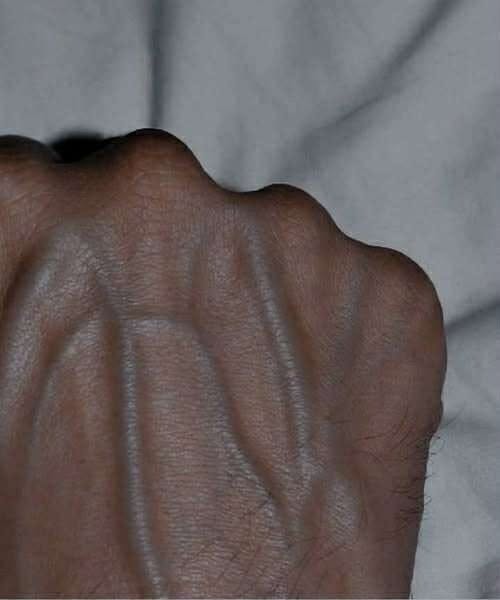
Damaged vein valves allow blood to flow backward instead of upward. As a result, pressure builds in the veins, leading to swelling, fatigue, and visible vein bulging.
Obesity
Excess body weight increases pressure on the veins and reduces mobility. Over time, this slows circulation and strains blood vessels.
Smoking
Nicotine constricts blood vessels, while carbon monoxide reduces oxygen in the bloodstream. Together, they significantly impair circulation.
Chronic Conditions
Diabetes, high blood pressure, and high cholesterol gradually damage blood vessel walls. Consequently, circulation weakens over time.
Dehydration & Poor Diet
When you do not drink enough water, your blood thickens. Meanwhile, nutrient-poor diets reduce vessel elasticity and tissue health.
⚠️ When to See a Doctor
While mild circulation issues often improve with lifestyle changes, seek medical attention if you notice:
- Leg pain that does not improve with rest
- Open sores or skin discoloration
- One leg significantly more swollen than the other
- Sudden sharp pain with warmth or redness
These symptoms could indicate more serious conditions that require prompt care.
🌿 Natural, Evidence-Based Solutions (Start Here Before Supplements)
Small daily habits can dramatically improve circulation. Start with these strategies.
✅ 1. Move Every Hour — Even for Just 2 Minutes
If you sit for work, set a timer. Every hour, stand up and move for at least two minutes.
Simple options include:
- Marching in place
- Walking to refill your water bottle
- Doing 20 calf raises
- Stretching your hamstrings
These movements reactivate your calf muscle pump and help push blood upward.
Consistency matters more than intensity. Short, frequent movement beats one long workout at the end of the day.
✅ 2. Walk Daily — Your Calves Are Your Circulation Engine
Brisk walking remains one of the most effective ways to improve leg circulation. Aim for 20–30 minutes per day.
Walking improves:
- Blood vessel flexibility
- Oxygen delivery
- Muscle tone in the lower legs
- Overall cardiovascular health
If 30 minutes feels overwhelming, start with 10 minutes after meals and build gradually.
✅ 3. Elevate Your Legs Properly
At the end of the day, lie down and elevate your legs above heart level for 15–20 minutes.
Use pillows or rest your legs against a wall. This position helps gravity move pooled blood back toward your heart.
Many people notice reduced swelling within days of consistent elevation.
✅ 4. Stay Hydrated
Dehydration thickens blood and reduces circulation efficiency.
Aim for consistent water intake throughout the day. While individual needs vary, most adults benefit from 6–8 glasses daily.
Add hydrating foods such as:
- Cucumbers
- Watermelon
- Citrus fruits
- Leafy greens
Proper hydration also supports vessel elasticity and nutrient delivery.
✅ 5. Improve Your Diet for Vascular Health
Focus on whole, circulation-supporting foods:
Eat More:
- Leafy greens (rich in nitrates that support blood flow)
- Berries (antioxidants protect blood vessels)
- Fatty fish (omega-3 fatty acids reduce inflammation)
- Nuts and seeds (support vascular elasticity)
- Garlic (may promote healthy blood flow)
Reduce:
- Processed foods
- Excess salt
- Refined sugar
- Trans fats
A diet rich in fiber and antioxidants protects vessel walls and supports long-term circulation.
✅ 6. Try Contrast Showers
Alternating warm and cool water stimulates blood vessel contraction and dilation.
How to do it:
- Use warm water for 3 minutes.
- Switch to cool water for 30–60 seconds.
- Repeat 2–3 times.
Always finish with cool water on your legs.
This method may help improve vascular responsiveness over time.
✅ 7. Wear Compression Socks (If Recommended)
Compression socks gently support veins and prevent blood pooling.
They can be especially helpful if you:
- Stand for long hours
- Travel frequently
- Experience mild varicose veins
However, choose proper sizing and consult a professional if you have underlying conditions.
✅ 8. Maintain a Healthy Weight
Even modest weight loss reduces pressure on leg veins and improves mobility.
Pair balanced nutrition with regular movement. Over time, reduced strain allows blood to circulate more efficiently.
✅ 9. Stop Smoking
If you smoke, quitting may be the single most powerful step you can take for circulation.
Blood vessels begin improving within weeks of stopping. Oxygen delivery also increases significantly.
Although quitting can feel challenging, the circulation benefits are substantial.
🌟 Daily Circulation Routine (Simple and Practical)
Here’s an easy daily template:
Morning:
- 10-minute walk
- Hydrate before coffee
Midday:
- Stand and move every hour
- Calf raises or short walk
Evening:
- Leg elevation for 15 minutes
- Light stretching
This routine requires no supplements, no expensive equipment, and no drastic lifestyle overhaul—just consistency.
💡 Final Thoughts
Leg heaviness, fatigue, and swelling often signal impaired circulation—but they are not always permanent. In many cases, lifestyle adjustments significantly improve symptoms.
Movement, hydration, balanced nutrition, and daily habits form the foundation of healthy circulation. While supplements may play a role in certain situations, they should not replace these core strategies.
If symptoms persist or worsen, consult a healthcare provider to rule out serious conditions. However, for many people, small consistent changes restore comfort, energy, and lighter-feeling legs.
Start today. Your circulation responds best to action.
More Home Remedies
- Wrinkled Fingers After Water Exposure: What Your Skin May Be Telling You
- Skin Rash With Breathing Trouble? It Could Be a Life-Threatening Allergic Reaction
- I Thought It Was a Piece of Trash on the Bathroom Floor—Until It Moved
- If You Are Getting White Pimples on Your Lips or Intimate Area, Here’s What They Could Mean