You’ve probably seen the headlines.
“If you sleep in the fetal position, you’re overly sensitive.”
“People who sleep on their stomachs are anxious.”
“Side sleepers are lazy.”
“Back sleepers are perfectionists.”
These claims spread quickly on social media because they’re simple, entertaining, and often feel surprisingly personal. But how much truth is actually behind them?
The answer may surprise you.
While researchers have explored possible links between sleep positions and personality traits, the reality is far more complex than viral posts suggest. Your sleep posture is influenced by comfort, body structure, health conditions, habits, stress levels, mattress quality, and even room temperature.
In other words, your favorite sleeping position says far more about what helps your body rest comfortably than it does about your character.
Let’s separate fact from fiction and explore what science actually says about the way we sleep.
Why People Are Fascinated by Sleep Positions
Humans have always searched for hidden meanings in everyday behaviors.
From handwriting analysis to zodiac signs to personality quizzes, we’re naturally curious about what our habits reveal about us.
Sleep is especially fascinating because it happens when our conscious mind steps aside. Many people assume that the position we naturally adopt while sleeping must reveal something deep about our personality.
Throughout history, cultures around the world have assigned meaning to sleeping postures.
Ancient Traditions
In some traditional healing systems, sleeping positions were believed to influence:
- Digestion
- Energy flow
- Circulation
- Emotional balance
Medieval Beliefs
Historical European medicine linked body positions during sleep to theories about bodily “humors” and temperament.
Modern Social Media
Today, social media has transformed sleep positions into personality tests that generate millions of views.
Unfortunately, many of these claims oversimplify both sleep science and human psychology.
The Most Important Myth to Bust: Sleep Position Does Not Determine Laziness
Let’s address the biggest misconception immediately.
There is no scientific evidence that sleeping in a particular position means you’re lazy.
None.
Your work ethic, ambition, productivity, and motivation are shaped by numerous factors, including:
- Personality
- Environment
- Physical health
- Mental health
- Education
- Habits
- Sleep quality itself
Sleep posture is not one of them.
In fact, sleep is one of the most productive things your body does.
During sleep, your brain:
- Consolidates memories
- Processes information
- Regulates emotions
- Supports learning
Meanwhile, your body:
- Repairs tissues
- Produces hormones
- Supports immune function
- Restores energy
Sleep is not laziness.
It is biological maintenance.
What Actually Influences Sleep Position?
Several practical factors determine how we sleep.
Physical Comfort
Your body naturally seeks positions that reduce pressure on joints and muscles.
Body Structure
The shape of your shoulders, hips, spine, and neck influences what feels comfortable.
Health Conditions
Conditions such as:
- Back pain
- Acid reflux
- Sleep apnea
- Pregnancy
- Arthritis
often dictate sleep position.
Habit
Many adults still sleep similarly to how they slept as children.
Stress Levels
Stress can influence muscle tension and comfort preferences throughout the night.
Understanding these influences helps explain why sleep posture is primarily about physical needs rather than personality traits.
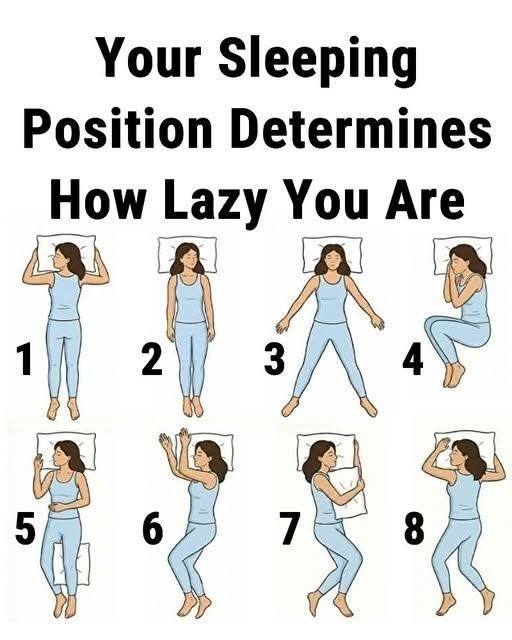
The Fetal Position: Comfort and Protection
The fetal position is the most common sleeping posture worldwide.
What It Looks Like
- Side sleeping
- Knees drawn toward the chest
- Slightly curled body
Why People Sleep This Way
This position often feels naturally protective and comfortable.
It reduces pressure on the spine and can create a sense of security.
The Personality Myth
Some personality theories suggest fetal sleepers are shy, sensitive, or emotionally vulnerable.
What Science Says
There is little evidence that the fetal position predicts personality.
More likely, it simply feels comfortable.
Many people adopt this posture after stressful days because curling up can feel physically soothing.
Health Benefits
- May reduce snoring
- Often relieves lower back strain
- Supports spinal comfort
Potential Drawbacks
Curling too tightly may:
- Restrict breathing
- Cause morning stiffness
- Increase joint pressure
Using a pillow between the knees can improve alignment significantly.
The Log Position: Straight Side Sleeping
This position involves sleeping on your side with arms resting alongside your body.
Common Associations
Popular personality theories often describe log sleepers as:
- Easygoing
- Social
- Trusting
The Reality
The position itself reveals little about personality.
However, it is one of the healthiest sleep positions from a physical standpoint.
Health Benefits
- Helps keep airways open
- Reduces snoring
- Supports spinal alignment
- Often improves sleep quality
Tips for Comfort
Choose a pillow that properly fills the gap between your neck and mattress.
Proper support prevents neck strain.
The Hugger Position: Reaching Forward
Some side sleepers extend their arms forward or hug a pillow.
Why It Feels Good
Hugging a pillow can:
- Reduce shoulder pressure
- Improve spinal alignment
- Create a sense of comfort
Personality Claims
These sleepers are often described as thoughtful or emotionally connected.
Again, evidence for such claims is limited.
Practical Explanation
Many people simply find this posture relaxing because it provides additional support.
The Soldier Position: Sleeping Flat on the Back
The Soldier position involves:
- Lying flat on the back
- Arms resting at the sides
- Legs extended
Common Personality Claims
Some suggest back sleepers are:
- Disciplined
- Reserved
- Organized
What We Actually Know
Back sleeping is often chosen because it supports neutral spinal alignment.
It says more about comfort preferences than personality.
Health Benefits
- Excellent spinal alignment
- Reduced facial pressure
- May decrease wrinkle formation
Potential Problems
Back sleeping can worsen:
- Snoring
- Sleep apnea
- Breathing difficulties
Individuals with these conditions often benefit from side sleeping instead.
The Starfish Position: Open and Relaxed
This position involves sleeping on your back with arms spread outward.
Personality Stereotypes
Starfish sleepers are frequently described as:
- Generous
- Good listeners
- Open-minded
More Likely Explanation
People who sleep comfortably in this position may simply feel physically secure in their sleep environment.
Health Considerations
The same concerns that apply to back sleeping apply here:
- Increased snoring risk
- Potential sleep apnea issues
Some people also experience arm numbness due to nerve compression.
The Freefall Position: Sleeping on the Stomach
The Freefall position places the sleeper face-down with the head turned to one side.
Why Some People Prefer It
Stomach sleeping can:
- Reduce snoring
- Create feelings of security
- Feel comfortable for certain body types
Personality Myths
Internet quizzes often portray stomach sleepers as:
- Bold
- Outgoing
- Controlling
There is little scientific evidence supporting these claims.
Health Drawbacks
Most sleep specialists consider stomach sleeping the least ideal position because it:
- Twists the neck
- Strains the spine
- Increases back pain risk
- May cause shoulder discomfort
If You Must Sleep on Your Stomach
Try:
- Using a very thin pillow
- Sleeping with a pillow under your hips
- Gradually transitioning to side sleeping
Can Sleep Position Affect Health?
Absolutely.
While sleep posture doesn’t determine personality, it can significantly influence health.
For Acid Reflux
Left-side sleeping is often recommended because it helps reduce nighttime reflux.
For Snoring
Side sleeping generally keeps airways more open.
For Back Pain
Many people benefit from side sleeping with a pillow between their knees.
For Pregnancy
Healthcare providers often recommend left-side sleeping to support circulation.
For Neck Pain
Back sleeping with proper support can be beneficial.
What Science Really Says About Personality and Sleep
One frequently cited study by sleep researcher Chris Idzikowski suggested some associations between sleep positions and personality traits.
However, these findings were observational and do not establish cause and effect.
Important limitations include:
- Small sample sizes
- Self-reported data
- Cultural influences
- Lack of replication
Modern sleep researchers generally agree that personality is far too complex to be accurately determined by sleeping posture alone.
How to Optimize Your Sleep Position
Rather than worrying about what your position says about you, focus on how it affects your comfort and health.
Improve Alignment
Use supportive pillows that maintain spinal neutrality.
Support Your Knees
A pillow between the knees can dramatically improve side sleeping comfort.
Choose the Right Mattress
Your mattress should support your body without creating pressure points.
Listen to Your Body
Pain, stiffness, and frequent waking often signal that adjustments are needed.
The Bottom Line
Your sleep position is not a personality test.
It does not determine whether you’re lazy, hardworking, outgoing, shy, intelligent, or ambitious.
What it does reflect is your body’s ongoing effort to find comfort, support, and rest.
The fetal sleeper isn’t weak.
The starfish sleeper isn’t overly trusting.
The stomach sleeper isn’t controlling.
The side sleeper isn’t lazy.
They’re simply people sleeping in the positions that feel best for their bodies.
Instead of judging your sleep posture, focus on creating a sleep environment that promotes healthy, restorative rest.
Because the real goal isn’t discovering what your sleep position says about your personality.
It’s waking up feeling refreshed, healthy, and ready for the day ahead.
And that’s something every sleep position can help you achieve.
More Blog
- Drinking Water on an Empty Stomach — What Science Actually Supports (No Hype, Just Facts)
- Waking Up Between 3 and 5 AM? It Might Be Your Soul Trying to Talk to You
- What a “Bleach” Patch on Your Underwear Really Means — And Why It’s Actually a Good Sign
- This Drink May Weaken Your Bones From The Inside — But Everyone Drinks It Anyway