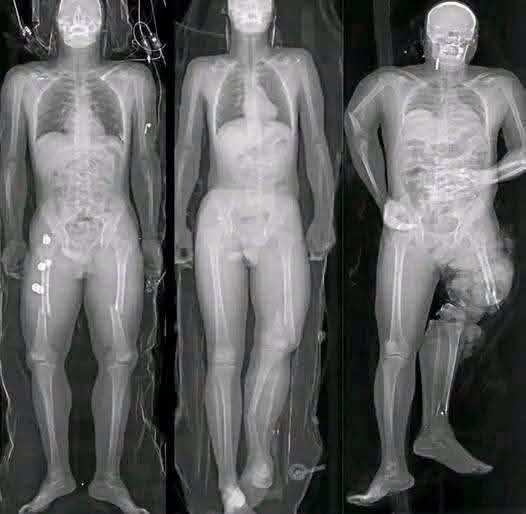
Since the COVID-19 vaccines became available, billions of doses have been administered worldwide. Alongside extensive scientific research, a large amount of information—and misinformation—has circulated online. Social media posts often use dramatic images or alarming headlines that can leave people uncertain about what to believe.
Understanding how vaccines are monitored, what known side effects exist, and how to recognize misleading claims can help people make informed decisions based on reliable evidence. While questions about health are natural, evaluating information carefully is essential for avoiding unnecessary fear and ensuring that concerns are addressed through trusted medical sources.
Why COVID-19 Vaccine Posts Often Go Viral
Health-related content spreads quickly online, especially when it appeals to emotions rather than evidence. Posts that suggest hidden dangers or urgent warnings frequently receive more attention than balanced scientific explanations.
How Fear-Based Messages Capture Attention
Many viral posts rely on striking visuals and emotionally charged language.
Common techniques include:
- Dramatic images of syringes or medical equipment.
- Headlines suggesting immediate danger.
- Claims presented without supporting evidence.
- References to medical terms without proper context.
- Emotional stories that lack verification.
These approaches are designed to encourage rapid sharing before readers take time to verify the information.
The Importance of Context
Some online posts mention real medical conditions, such as myocarditis, but fail to explain how uncommon these events are or who may be affected.
Without context, isolated facts can create a misleading impression.
Scientific research evaluates health risks by examining large populations rather than individual anecdotes. This allows experts to determine whether an event occurs more frequently than expected and whether it is likely to be associated with a vaccine or another factor.
Looking at complete evidence instead of isolated examples provides a more accurate understanding of vaccine safety.
Understanding Vaccine Safety Monitoring
COVID-19 vaccines continue to be monitored long after their approval. This ongoing process helps researchers identify rare side effects while confirming the vaccines’ overall safety and effectiveness.
How Safety Is Monitored
Health agencies around the world collect information from multiple sources, including:
- Clinical studies
- Healthcare providers
- Vaccine safety reporting systems
- Hospital records
- Public health surveillance programs
- Ongoing scientific research
When unusual events are reported, experts investigate whether they represent a true safety concern or are coincidental occurrences.
This continuous monitoring allows public health recommendations to be updated whenever new, high-quality evidence becomes available.
When to Seek Medical Advice
Most vaccine side effects are mild and temporary, such as soreness at the injection site, fatigue, headache, or low-grade fever.
However, anyone experiencing persistent or severe symptoms should contact a healthcare professional for evaluation.
Seeking medical advice is especially important if symptoms include:
- Chest pain
- Difficulty breathing
- Persistent high fever
- Severe allergic reactions
- Sudden neurological symptoms
- Symptoms that continue or worsen over time
Prompt evaluation helps identify the underlying cause and ensures appropriate treatment if needed.
Evaluating Health Information Critically
The internet provides immediate access to health information, but not every article, video, or social media post is accurate. Learning how to distinguish reliable information from misleading content is an important part of making informed health decisions.
How to Recognize Reliable Sources
When reading about vaccines or other medical topics, consider where the information comes from.
Trustworthy sources typically include:
- National public health agencies
- Licensed healthcare professionals
- Peer-reviewed medical journals
- Major hospitals and academic medical centers
- Established scientific organizations
Reliable health information generally explains both the benefits and the risks of medical treatments, provides evidence for its claims, and acknowledges when uncertainty exists.
Be cautious of content that:
- Uses sensational or alarming headlines.
- Claims to reveal a “hidden truth.”
- Relies only on personal anecdotes.
- Offers no scientific references.
- Encourages fear instead of understanding.
Taking a few moments to verify information before sharing it can help reduce the spread of misinformation.
Why Scientific Knowledge Changes
Science is an ongoing process rather than a fixed set of answers. As researchers collect more data, recommendations may evolve to reflect new evidence.
This does not mean earlier guidance was intentionally misleading. Instead, it demonstrates that scientific conclusions are updated when stronger evidence becomes available.
This continual review helps improve public health recommendations and ensures that healthcare providers base their advice on the most current and reliable information.
Staying Informed and Protecting Your Health
Whether you have received a COVID-19 vaccine or are simply looking for accurate health information, staying informed through credible sources is the best way to make confident decisions.
Managing Questions or Concerns
If you have questions about vaccines or experience symptoms that concern you, speaking with a qualified healthcare professional is the most reliable course of action.
They can:
- Review your medical history.
- Evaluate any symptoms.
- Explain known risks and benefits.
- Recommend appropriate testing if necessary.
- Provide personalized medical advice.
Online discussions can be informative, but they should never replace professional medical care.
Building Confidence Through Evidence
The COVID-19 pandemic demonstrated the importance of scientific research, public health surveillance, and international collaboration. Vaccines remain among the most carefully monitored medical products, with ongoing studies continuing to evaluate their safety and effectiveness.
By relying on evidence-based information rather than emotionally charged social media posts, individuals can better understand health recommendations and make informed decisions that reflect their personal circumstances.
Staying curious, asking questions, and consulting trusted medical professionals are all valuable steps toward protecting both individual and community health.
Frequently Asked Questions
Are COVID-19 vaccines still being monitored for safety?
Yes. COVID-19 vaccines continue to undergo extensive safety monitoring through national and international surveillance systems. Health authorities review reports from healthcare providers, research studies, and vaccine safety databases to identify rare adverse events and update recommendations when necessary.
Are serious side effects common?
Serious side effects are uncommon. Most people experience only mild, short-term reactions such as soreness at the injection site, fatigue, headache, or a low-grade fever. Rare adverse events have been identified through ongoing monitoring, allowing healthcare providers to recognize and manage them appropriately.
Why do misleading vaccine posts spread so quickly?
Social media algorithms often prioritize content that generates strong emotional reactions. Posts that use fear, sensational headlines, or dramatic images may receive more engagement than balanced, evidence-based information, allowing misinformation to spread rapidly.
How can I tell if health information is trustworthy?
Look for information from reputable public health organizations, licensed healthcare professionals, peer-reviewed scientific research, and established medical institutions. Be cautious of claims that rely solely on personal stories, promise hidden truths, or lack supporting scientific evidence.
What should I do if I have concerns after receiving a COVID-19 vaccine?
If you experience symptoms that concern you or persist longer than expected, contact your healthcare provider. They can evaluate your condition, determine whether further testing is needed, and recommend the most appropriate course of care based on your individual medical history.
Conclusion
COVID-19 vaccines remain among the most extensively studied and closely monitored medical products in history. Ongoing research and safety surveillance continue to provide valuable information, helping healthcare professionals identify rare side effects while confirming the overall benefits of vaccination in preventing severe illness.
At the same time, the widespread availability of online information makes it increasingly important to distinguish verified medical evidence from misleading or incomplete claims. Taking the time to evaluate sources, understand scientific context, and consult qualified healthcare professionals can help individuals make informed decisions about their health.
Questions about vaccines are understandable, and seeking accurate information is always worthwhile. By relying on credible scientific evidence, maintaining open communication with healthcare providers, and approaching online claims thoughtfully, people can make well-informed choices that support both their own health and the well-being of their communities.