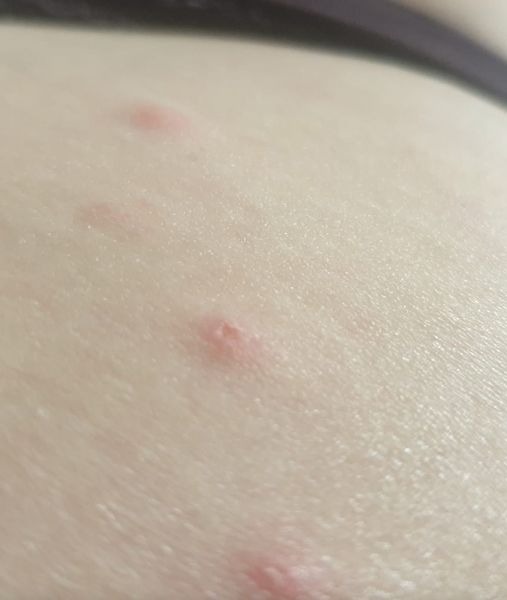
Bug bites are a part of everyday life for many people, especially during warm weather and outdoor activities. Most bites are harmless and disappear within a few days, but some can trigger allergic reactions, infections, or even transmit diseases. Because many bites look surprisingly similar at first, it can be difficult to know when simple home care is enough and when medical attention may be necessary.
The appearance, location, and symptoms surrounding a bite often provide important clues. Some bites itch intensely, while others burn or become painful. Certain insects bite in clusters, while others leave a single swollen welt or distinctive rash.
Learning to recognize common bite patterns can help people respond calmly and appropriately instead of panicking over every red bump.
A father once noticed several small itchy bumps on his son’s ankles after a weekend at a relative’s house with pets. At first, he assumed they were mosquito bites. However, the bites appeared in tight clusters and became extremely itchy overnight. After checking the home more carefully, the family discovered a flea problem in the carpets and pet bedding. Once the infestation was treated, the bites stopped appearing. His experience showed how understanding bite patterns can help identify the actual source of irritation much faster.
Why Bug Bites Affect People Differently
The Body Reacts to Saliva or Venom
Most bug bites do not hurt because of the puncture itself. Instead, symptoms usually develop because the body reacts to insect saliva, venom, or proteins injected into the skin.
This immune response may cause:
- Redness
- Swelling
- Itching
- Warmth
- Pain
Some people react more strongly than others depending on:
- Skin sensitivity
- Allergies
- Immune response
- Previous exposure
Children often scratch bites more intensely, which may increase irritation and infection risk.
Not Every Bite Is Dangerous
The majority of common bug bites heal without complications.
Simple home care is often enough for:
- Mosquito bites
- Mild flea bites
- Minor spider bites
- Bed bug bites
However, certain situations deserve closer attention, especially if symptoms worsen or spread.
Warning signs include:
- Fever
- Difficulty breathing
- Rapid swelling
- Severe pain
- Pus or infection
- Bull’s-eye rashes
- Dizziness
Recognizing these differences can help people know when professional medical care becomes necessary.
Mosquito Bites
Small Itchy Welts on Exposed Skin
Mosquito bites are among the most common insect bites worldwide.
Typical features include:
- Small raised bumps
- Pink or red swelling
- Intense itching
- Tiny puncture point in the center
Mosquitoes usually target exposed areas such as:
- Arms
- Legs
- Face
- Neck
The itching happens because the immune system reacts to mosquito saliva.
Most bites improve within a few days.
When Mosquito Bites Need More Attention
In some regions, mosquitoes can transmit illnesses such as:
- West Nile virus
- Dengue fever
- Zika virus
- Malaria
People should seek medical advice if bites are followed by:
- Fever
- Severe headache
- Muscle aches
- Rash
- Fatigue
This is especially important after travel to tropical or high-risk areas.
Flea and Bed Bug Bites
Flea Bites Often Appear in Clusters
Flea bites commonly affect:
- Ankles
- Lower legs
- Waistline areas
Typical signs include:
- Tiny red bumps
- Clusters or straight lines
- Severe itching
- Small halos of redness
Fleas often come from pets, carpets, or furniture.
Persistent flea bites usually suggest an infestation requiring environmental treatment in addition to skin care.
Bed Bug Bites Often Appear Overnight
Bed bug bites frequently appear:
- On the arms
- Neck
- Face
- Hands
They often form rows or clusters sometimes described as “breakfast, lunch, and dinner” patterns.
Signs of bed bugs may include:
- Blood spots on sheets
- Dark specks on mattresses
- Bites appearing after sleep
Although bed bugs are not known to spread major diseases, they can cause significant discomfort, stress, and sleep disruption.
Tick Bites and Lyme Disease
Tick Bites Can Be Easy to Miss
Ticks attach firmly to the skin while feeding on blood.
They often hide in warm areas such as:
- Armpits
- Groin
- Scalp
- Behind knees
A tick bite itself may look like a small red bump.
Because ticks can remain attached for hours or days, careful removal matters.
Bull’s-Eye Rash Requires Medical Attention
One of the most important warning signs after a tick bite is a bull’s-eye rash called erythema migrans.
This expanding circular rash may signal Lyme disease.
Other symptoms can include:
- Fever
- Fatigue
- Joint pain
- Headaches
Prompt antibiotic treatment greatly reduces complications.
Ticks should be removed carefully with tweezers by grasping close to the skin and pulling straight outward.
Spider Bites
Most Spider Bites Are Mild
Despite common fears, most spiders cause only minor irritation.
Typical mild spider bites may include:
- Redness
- Mild swelling
- Small puncture marks
- Local tenderness
Symptoms usually improve within a few days.
Dangerous Spider Bites Are Rare
Some spiders require urgent medical attention.
Black widow spider bites may cause:
- Muscle cramps
- Severe pain
- Sweating
- Abdominal pain
Brown recluse spider bites may lead to:
- Blistering
- Skin breakdown
- Ulcers
- Tissue damage
Any rapidly worsening spider bite should be evaluated immediately.
Bee Stings and Fire Ant Bites
Bee Stings Can Trigger Allergic Reactions
Bee stings often produce:
- Sharp pain
- Red swelling
- Local warmth
Honeybees may leave behind a visible stinger.
The stinger should be scraped away gently rather than squeezed.
Most stings improve with:
- Cold compresses
- Antihistamines
- Pain relief
Anaphylaxis Is a Medical Emergency
Some individuals develop severe allergic reactions called anaphylaxis.
Emergency symptoms include:
- Trouble breathing
- Facial swelling
- Widespread hives
- Dizziness
- Rapid heartbeat
Emergency treatment and epinephrine are required immediately.
Fire Ant Bites Create Painful Pustules
Fire ant bites often form:
- Burning red bumps
- White pus-filled blisters
- Clusters on feet or ankles
The bites sting first and itch later.
Scratching increases infection risk.
Chigger and Horse Fly Bites
Chigger Bites Cause Intense Itching
Chiggers are tiny mite larvae that attach to skin outdoors.
Their bites commonly appear:
- Around sock lines
- At the waist
- Behind knees
Symptoms include:
- Intense itching
- Red bumps
- Small blisters
The itching may persist for days.
Horse Fly Bites Are Painful
Horse flies cut the skin instead of piercing it cleanly.
Their bites often cause:
- Pain
- Swelling
- Bleeding
- Large red welts
Because the bite damages skin more aggressively, soreness may last longer than with mosquito bites.
Head Lice Reactions
Lice Do Not Technically Bite
Head lice feed on blood from the scalp.
The itching actually comes from allergic reactions to lice saliva.
Signs include:
- Itchy scalp
- Tiny red bumps
- Sores from scratching
- Visible nits attached to hair shafts
Lice spread mainly through head-to-head contact.
Lice Are Not a Sign of Poor Hygiene
One common myth is that lice only affect unclean hair.
In reality, lice can affect anyone regardless of cleanliness.
Treatment usually involves:
- Special shampoos
- Fine-tooth combing
- Washing bedding and hats
General Bite Care Tips
Simple Home Care Often Helps
Most mild bites improve with:
- Soap and water cleansing
- Cold compresses
- Anti-itch creams
- Oral antihistamines
- Avoiding scratching
Keeping fingernails short helps reduce skin damage from scratching.
Watch for Infection
Repeated scratching may introduce bacteria into the skin.
Signs of infection include:
- Increasing redness
- Warmth
- Pus
- Swelling
- Fever
Medical care may be needed if infection develops.
When to Seek Emergency Care
Serious Symptoms Should Never Be Ignored
Emergency medical attention is necessary if bites cause:
- Difficulty breathing
- Swelling of lips or throat
- Confusion
- Severe dizziness
- Widespread hives
- Rapid heartbeat
These symptoms may indicate severe allergic reactions.
Persistent or Unusual Symptoms Matter Too
People should also seek medical care if they experience:
- Bull’s-eye rashes
- Severe pain
- Fever after bites
- Expanding redness
- Ulcers
- Persistent swelling
Early treatment often prevents more serious complications.
Preventing Bug Bites
Basic Prevention Strategies
Helpful prevention measures include:
- Insect repellent
- Long sleeves outdoors
- Checking for ticks
- Washing bedding regularly
- Treating pets for fleas
- Using window screens
Outdoor Awareness Helps
Avoiding tall grass, standing water, and infested environments may reduce exposure significantly.
Quickly showering after outdoor activities may also help remove ticks or chiggers before they attach firmly.
Frequently Asked Questions
Which bug bites itch the most?
Flea bites, chigger bites, and mosquito bites commonly cause intense itching.
What does a Lyme disease rash look like?
It often appears as an expanding circular bull’s-eye rash after a tick bite.
Are bed bugs dangerous?
Bed bugs are usually not medically dangerous but can cause itching, stress, and sleep problems.
When should I worry about a spider bite?
Seek medical care if severe pain, blistering, muscle cramps, or skin ulcers develop.
Can scratching bug bites cause infection?
Yes. Broken skin from scratching may allow bacteria to enter.
Conclusion
Most bug bites are harmless irritations that improve with simple care and patience. However, understanding common bite patterns can help people recognize when symptoms may signal something more serious.
Mosquitoes, fleas, ticks, spiders, bed bugs, and other insects all leave different clues through their bite appearance, location, and symptoms. Paying attention to these patterns helps guide safer decisions and earlier treatment when needed.
The most important thing is not to panic over every bump or itch. Instead, focus on observing symptoms carefully, practicing good skin care, and seeking medical help when warning signs appear.
Sometimes awareness itself becomes one of the best forms of protection. Knowing what to watch for can turn fear into calm, informed action.
More Home Remedies
- Wrinkled Fingers After Water Exposure: What Your Skin May Be Telling You
- Skin Rash With Breathing Trouble? It Could Be a Life-Threatening Allergic Reaction
- I Thought It Was a Piece of Trash on the Bathroom Floor—Until It Moved
- If You Are Getting White Pimples on Your Lips or Intimate Area, Here’s What They Could Mean