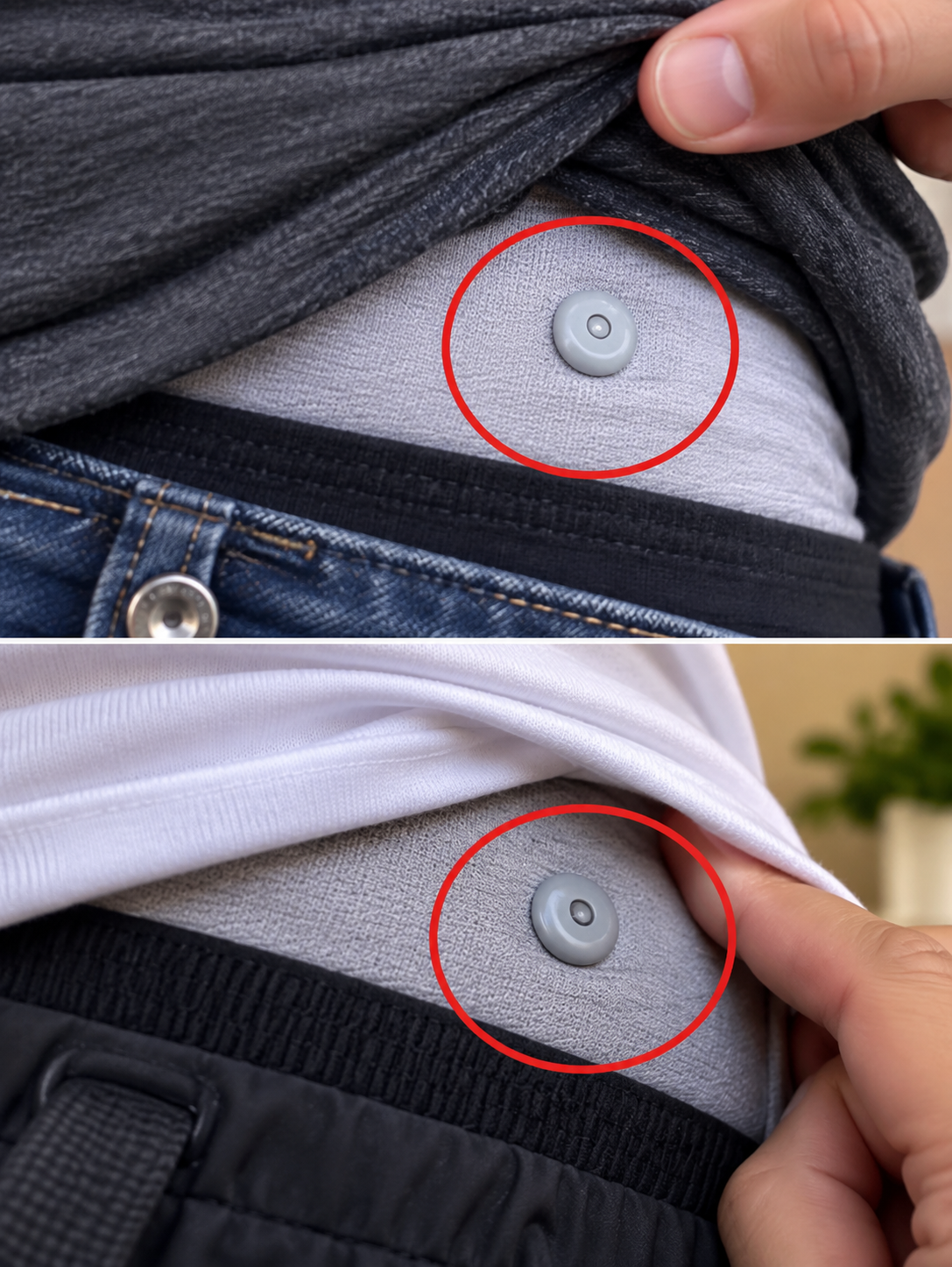
That button on your seat belt may look insignificant, but depending on which small part you are looking at, it can serve an important purpose. Some cars have a push-button or lever on the B-pillar that adjusts the shoulder belt’s upper anchor. Meanwhile, many seat belt straps also have a small plastic button or stud that simply keeps the metal latch plate from sliding too far down the webbing.
Those two parts perform completely different jobs. Unfortunately, social media posts sometimes confuse them or describe ordinary seat belt components as hidden emergency features. That confusion matters because a seat belt works best when you wear and position it exactly as the vehicle manufacturer intended.
I once noticed the little plastic piece on a seat belt after the latch plate stopped at exactly the same place every time I unbuckled. At first, it seemed too simple to have a real purpose. Then I noticed another “button” near the shoulder anchor that actually moved when pressed. Seeing both parts on the same seat belt made the confusion understandable. One helps keep the buckle hardware conveniently positioned, while the other may adjust how the shoulder belt crosses your body.
Understanding the difference takes only a few minutes. More importantly, it can help you avoid unsafe seat belt hacks and get a better fit every time you drive.
What the Button on Your Seat Belt Actually Does
The Small Button Attached to the Belt Webbing
If you’re talking about the small round plastic button attached directly to the seat belt fabric, you are usually looking at a seat belt stop button, sometimes called a seat belt stopper. This little component prevents the movable latch plate from sliding too far along the webbing when nobody is wearing the belt.
Without the stop, the latch plate could slide downward when you release the seat belt. Consequently, you might need to reach farther down beside the seat whenever you want to buckle up. The stopper keeps the latch plate in a convenient resting position.
The stop button does not release the belt during an emergency. It also does not loosen the restraint or control the retractor. Instead, it performs a simple positioning function. The seat belt’s important restraint functions come from other components, including the webbing, buckle, latch plate, retractor, anchors, and, in many modern vehicles, pretensioners and load-management systems.
The Adjustable Button Near Your Shoulder
Another component frequently described as the button on your seat belt sits on the vehicle’s B-pillar rather than on the belt fabric. Many vehicles have an adjustable upper shoulder-belt anchor at this location. Pressing or squeezing its release mechanism lets you move the shoulder anchor higher or lower.
This adjustment helps accommodate occupants of different heights. Ideally, the shoulder portion of a three-point belt should cross the middle of the chest and shoulder rather than running under the arm or behind the back. NHTSA advises wearing the shoulder belt across the middle of the chest and away from the neck.
However, vehicles use different designs. Some provide several fixed adjustment positions, while others may not offer a height-adjustable upper anchor at all. Therefore, consult your vehicle owner’s manual before moving or modifying any seat belt component.
How to Position Your Seat Belt Correctly
Getting the Shoulder Belt in the Right Place
Proper positioning matters more than making the belt feel loose or barely noticeable. The shoulder portion should run across your chest and shoulder. Although the belt can pass near the neck, it should not be deliberately routed under your arm or placed behind your back to make it feel more comfortable.
If your vehicle provides an adjustable shoulder anchor, use it according to the owner’s manual. Move the anchor until the belt follows the recommended path while allowing the retractor to work normally. After adjustment, make sure the mechanism locks securely into its intended position.
Also, avoid attaching unapproved clips, clamps, or other objects to create extra slack. Seat belts form part of an engineered restraint system, and changing how the webbing moves can interfere with normal operation. If your belt feels uncomfortable even after adjustment, check the owner’s manual or ask the vehicle manufacturer or dealer about approved options.
Positioning the Lap Belt Correctly
The lap portion matters just as much as the shoulder portion. NHTSA recommends securing the lap belt across the hips, below the stomach. This position allows the belt to load stronger areas of the pelvis during a crash.
Avoid positioning the lap belt high across the abdomen. Likewise, remove unnecessary slack and make sure the webbing does not twist. A twisted belt can create a narrower contact area and may prevent the restraint from sitting as intended.
Pregnant occupants should still use both portions of a lap-and-shoulder belt. NHTSA recommends placing the lap belt below the belly so it sits snugly across the hips and pelvic bone, while the shoulder belt goes between the breasts and away from the neck. Never place the shoulder belt under the arm or behind the back.
Dangerous Seat Belt Myths You Should Ignore
Myth: The Button Is a Secret Emergency Release
One particularly misleading claim says the button on your seat belt provides a hidden way to escape after an accident. The little stopper on the webbing does nothing of the sort. Likewise, an adjustable shoulder anchor changes belt positioning; it does not replace the normal buckle release.
During ordinary use, you release the seat belt by pressing the buckle’s designated release button. You should not pull apart, cut, pry, or modify seat belt components because an online post describes them as secret safety mechanisms.
Furthermore, do not test supposed emergency tricks by deliberately damaging a working restraint. If a seat belt buckle, retractor, anchor, or webbing does not operate correctly, stop treating the problem as a DIY experiment. Have the restraint inspected according to the vehicle manufacturer’s recommendations.
Myth: A Looser Seat Belt Is Safer or More Comfortable
Some drivers intentionally introduce slack because a snug shoulder belt feels restrictive. However, seat belts need proper positioning to restrain occupants effectively. NHTSA specifically advises against placing a shoulder belt under the arm or behind the back.
You should also avoid using random aftermarket devices merely to defeat normal belt tension. A comfort modification may seem harmless during everyday driving, yet crashes create forces far beyond anything you experience while sitting in a parked vehicle.
Instead, start with the adjustments the vehicle manufacturer actually provides. Adjust the seat position and the upper anchor when available, then check the lap and shoulder belt paths. If something still seems wrong, the vehicle manual should provide model-specific guidance.
Children, Damaged Belts, and Other Safety Considerations
Why Children Need More Than an Adult Belt Adjustment
A shoulder-belt height adjuster does not automatically make an adult seat belt appropriate for a young child. Children should use the restraint system appropriate for their age, size, and the applicable instructions and laws. NHTSA recommends keeping children in car seats and booster seats until they meet the appropriate size requirements for using the vehicle’s seat belt correctly.
When a child eventually transitions to an adult seat belt, fit becomes critical. The lap belt should lie across the upper thighs rather than the stomach, while the shoulder belt should cross the shoulder and chest rather than the neck or face. The child should also be able to maintain the correct seating position throughout the trip.
Never solve poor belt fit by putting the shoulder belt behind a child’s back or under an arm. Instead, continue using the appropriate child restraint or booster when required. Always follow both the restraint manufacturer’s instructions and your vehicle owner’s manual.
When a Seat Belt Needs Professional Attention
Inspect the restraint when something looks or feels unusual. Frayed webbing, cuts, damaged stitching, a buckle that does not latch reliably, a belt that remains unusually loose, or a retractor that behaves abnormally deserves attention.
You should also follow manufacturer recommendations after a significant collision. Modern restraint systems may include pretensioners and other components that activate during certain crashes. Damage or activation may not always look obvious to an untrained observer.
Most importantly, don’t remove the button on your seat belt, drill components, sew the webbing, disassemble the buckle, or make improvised repairs. Seat belts serve as primary safety equipment. Use manufacturer-approved replacement parts and qualified service when a restraint needs repair.
Frequently Asked Questions
What is the little plastic button on the seat belt strap?
The small plastic button attached directly to the webbing commonly serves as a stop. It helps prevent the movable latch plate from sliding too far down the belt when the seat belt is not in use. It is not a secret emergency-release mechanism.
What is the button beside the shoulder belt?
On vehicles equipped with one, a button or lever on the B-pillar may release the adjustable upper shoulder-belt anchor. It allows the anchor to move between designated positions so occupants can improve shoulder-belt positioning. Check your owner’s manual for the exact procedure.
Where should a shoulder belt sit?
NHTSA advises positioning the shoulder belt across the middle of your chest and away from your neck. Never deliberately place it behind your back or under your arm.
Can I use a seat belt clip to make the belt looser?
Avoid unapproved devices designed to introduce slack or interfere with normal belt operation. Instead, use the vehicle’s provided adjustments and follow the owner’s manual. If the restraint remains uncomfortable or appears defective, seek manufacturer-specific guidance.
Should I remove a broken seat belt stop button myself?
Don’t confuse a damaged plastic stopper with damage to the restraint system itself. If any part of the seat belt looks broken or you are uncertain whether the webbing has been damaged, have the assembly inspected. Avoid modifications that could damage or weaken the webbing.
Conclusion
The mysterious button on your seat belt usually has a much simpler explanation than viral posts suggest. A small plastic button directly on the webbing commonly keeps the latch plate from sliding down the belt. Meanwhile, a button or lever near the shoulder may operate an adjustable upper anchor that helps position the shoulder belt correctly.
Neither component represents a secret crash-escape feature. More importantly, neither should encourage you to modify the restraint system. Wear the lap belt low across your hips, keep the shoulder belt across your chest and shoulder, and never route it behind your back or under your arm.
When something on a seat belt looks damaged or does not work normally, consult the vehicle owner’s manual and seek appropriate service. A tiny piece of plastic may seem unimportant, but the complete seat belt system deserves careful treatment every time you get into a vehicle.