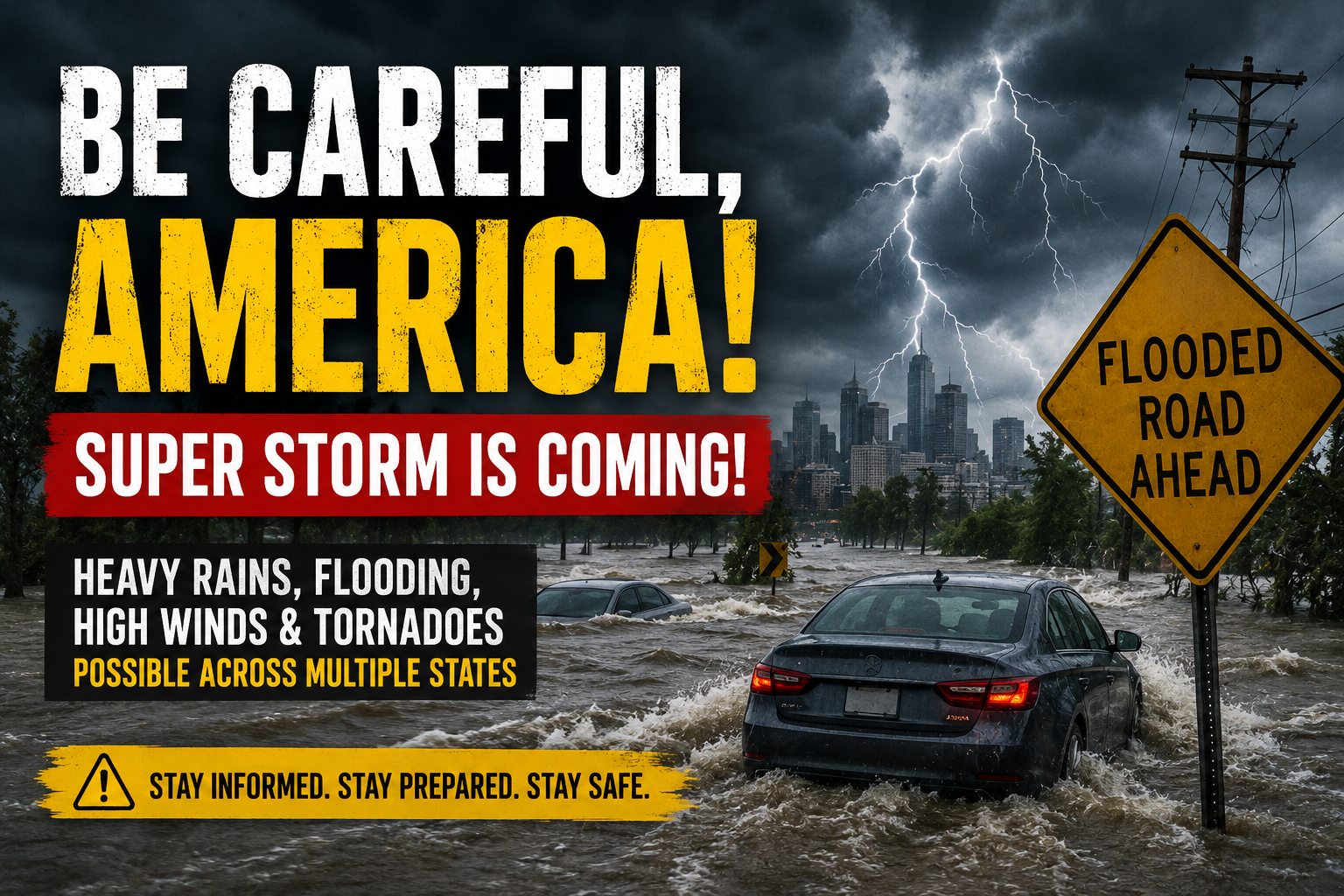
Extreme weather has become an increasingly common part of life in many regions of the United States. Every year, communities face thunderstorms, flash floods, hurricanes, tornadoes, winter storms, and heat waves that can disrupt daily routines and threaten lives and property.
While dramatic headlines often spread quickly online, the most effective way to prepare is by relying on official forecasts and understanding practical safety measures. Severe weather does not affect every community equally, and forecasts can change as new information becomes available. Staying informed through trusted sources and having a preparedness plan can make a significant difference when dangerous conditions develop.
Whether you live in a coastal city, a rural community, or a busy metropolitan area, understanding how storms form, why flooding occurs, and what steps to take before, during, and after severe weather can help protect you and your family.
Why Severe Weather Is Becoming More Common
The atmosphere is constantly changing, influenced by seasonal patterns, temperature differences, moisture, and large-scale climate systems. These conditions can combine to produce thunderstorms, heavy rainfall, strong winds, and other hazardous weather events.
Meteorologists use satellites, radar systems, weather balloons, computer models, and ground observations to monitor developing systems and issue forecasts. Although forecasting technology has improved significantly over the past few decades, weather remains complex, and exact impacts can vary from one location to another.
Understanding Flood Risks
Flooding is one of the most common and costly natural hazards in the United States. It can occur after prolonged rainfall, rapid snowmelt, hurricanes, or intense thunderstorms. Flash floods are particularly dangerous because they can develop with little warning, especially in urban areas or narrow valleys.
Even a small amount of moving water can pose serious risks. Floodwaters may hide damaged roads, debris, electrical hazards, or strong currents that make driving or walking unsafe.
High Winds and Tornadoes
Strong winds associated with severe thunderstorms can topple trees, damage buildings, and knock out power. In some situations, thunderstorms may also produce tornadoes—rapidly rotating columns of air capable of causing significant destruction along a narrow path.
Communities in many parts of the United States, not just the central Plains, can experience tornadoes under the right atmospheric conditions. Paying attention to watches and warnings issued by weather authorities is essential during severe weather outbreaks.
Preparing Before a Storm
Preparation is most effective when done before bad weather arrives. Consider these steps:
- Create a family emergency plan.
- Assemble an emergency supply kit with water, nonperishable food, flashlights, batteries, medications, and important documents.
- Charge phones and backup battery packs.
- Know your local evacuation routes if you live in a flood-prone or coastal area.
- Secure outdoor furniture and loose objects that could become airborne in strong winds.
Staying Safe During Severe Weather
When severe weather threatens:
- Follow updates from your local emergency management agency and the National Weather Service.
- Avoid driving through flooded roads.
- Stay indoors and away from windows during severe thunderstorms.
- Move to an interior room or basement if a tornado warning is issued for your area.
- Keep a battery-powered radio available in case of power outages.
After the Storm
Even after the weather clears, hazards may remain:
- Downed power lines
- Flood-damaged roads
- Contaminated water
- Structural damage to buildings
Return home only when local officials indicate it is safe to do so. Document property damage for insurance purposes and avoid entering buildings that appear structurally unsafe.
Building Long-Term Resilience
Communities can reduce storm impacts through improved infrastructure, better drainage systems, stronger building codes, and public education. Individuals also play an important role by staying informed, preparing emergency supplies, and understanding local risks.
Final Thoughts
Severe weather is an unavoidable part of nature, but preparation can reduce its impact. Rather than relying on alarming social media posts or sensational headlines, trust official forecasts from your national and local weather agencies. Understanding the risks, making a preparedness plan, and responding promptly to official warnings can help protect your family, your home, and your community when storms occur.
Preparedness is not about fear—it is about being ready. With reliable information and thoughtful planning, you can face severe weather with greater confidence and resilience.
More News
- Elder Abuse: Warning Signs You Should Never Ignore and What to Do
- Pfizer COVID-19 Vaccine for Children: What the 2021 Trial Actually Found and What Happened Next
- Marian Robinson’s Quiet Legacy: The Woman Who Helped Keep the Obama Family Grounded
- When a Public Disturbance Goes Viral: What One Shopping Center Incident Reveals About Privacy, Behavior, and Online Judgment