Elder Abuse often develops quietly, which makes early recognition especially important. An older adult may depend on the very person who mistreats, neglects, isolates, or financially exploits them. As a result, fear, embarrassment, dependence, cognitive impairment, or concern about losing a caregiver can make disclosure difficult.
Abuse can occur at home, in assisted living, in nursing facilities, or anywhere an older person depends on others for care or support. The World Health Organization estimates that about one in six people aged 60 and older experiences some form of abuse in community settings each year. Abuse can cause physical injury, psychological distress, financial loss, hospitalization, and other serious consequences.
A few years ago, someone in my neighborhood became concerned about an older relative who had suddenly stopped answering calls and attending family gatherings. At first, everyone assumed she simply wanted more privacy. However, unpaid bills began appearing even though she had always managed money carefully, and she seemed nervous whenever her caregiver stood nearby. Her family eventually arranged a private conversation and learned that she felt frightened and controlled. The experience taught me something important: warning signs rarely arrive with a clear explanation. Instead, several small changes can create a pattern that deserves attention and compassionate follow-up.
Understanding Elder Abuse and Why It Can Be Difficult to Detect
What Elder Abuse Can Look Like
Elder Abuse includes more than physical violence. According to the World Health Organization, it can involve physical, psychological or emotional, sexual, financial, and material abuse, as well as abandonment, neglect, and serious losses of dignity or respect.
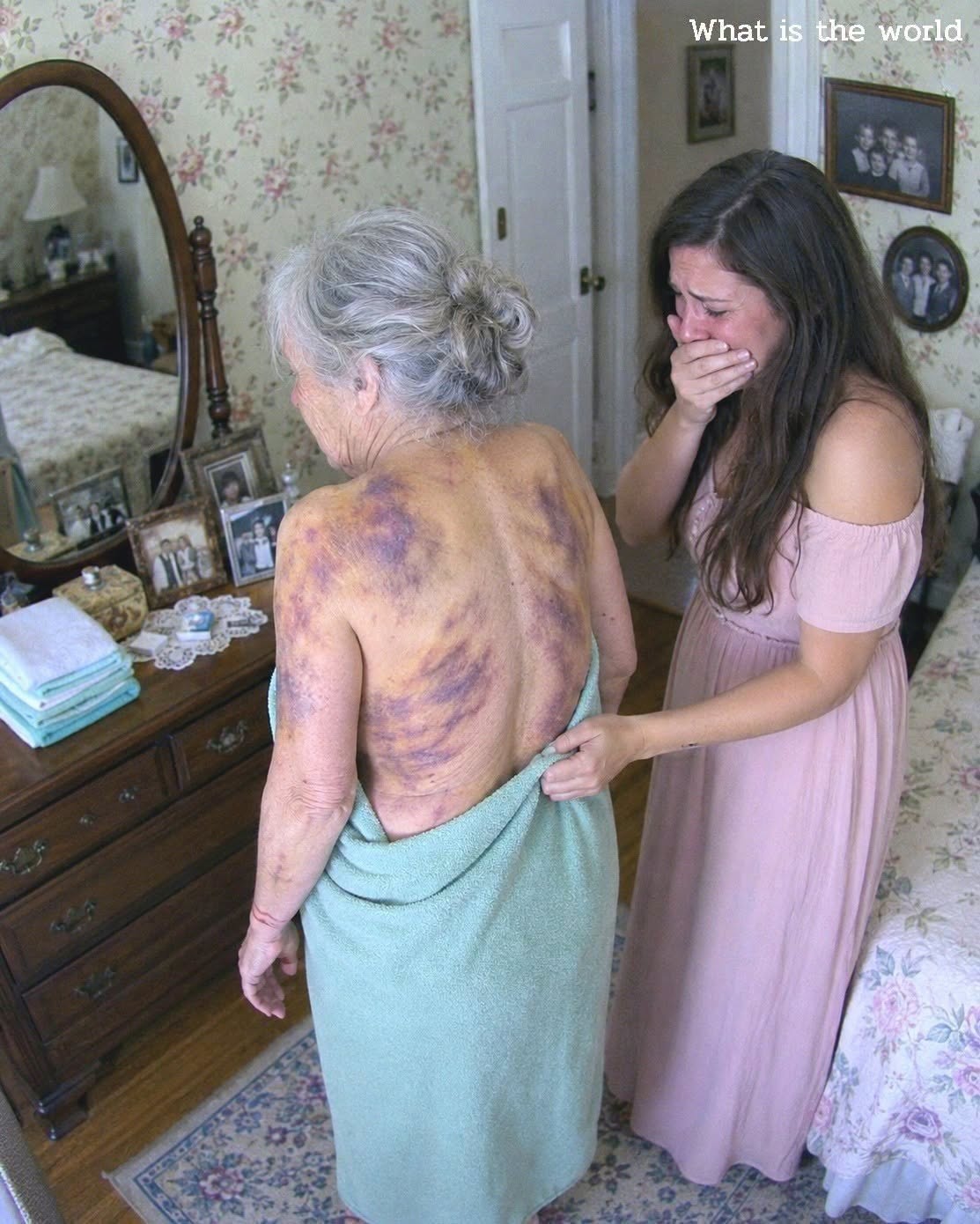
Physical abuse may involve hitting, pushing, kicking, burning, inappropriate restraint, or other actions that cause injury. However, an unexplained bruise alone does not prove abuse. Older adults may bruise easily, experience falls, or take medications that increase bruising. Therefore, patterns matter.
Psychological abuse can include intimidation, humiliation, insults, threats, controlling behavior, confinement, or deliberate isolation. Consequently, an older person may appear anxious, withdrawn, unusually quiet, or frightened around a particular individual.
Financial exploitation involves improper use or theft of money, property, or other assets. For example, someone might make unauthorized withdrawals, pressure an older adult to change a will, misuse a credit card, or take control of accounts without legitimate permission.
Neglect occurs when someone responsible for care fails to provide necessary food, shelter, hygiene, medication, medical care, supervision, or other basic needs.
Sexual abuse includes any sexual contact without consent.
Finally, isolation can become a tool of control. Preventing an older adult from seeing relatives, friends, doctors, neighbors, or other trusted people can make other forms of mistreatment much harder to discover.
Why Abuse Often Remains Hidden
One reason Elder Abuse becomes difficult to recognize involves dependence.
An older person may rely on a caregiver for transportation, meals, bathing, medication, finances, communication, or housing. Therefore, speaking against that caregiver may feel frightening.
In addition, some victims fear retaliation. Others worry that reporting the situation will get a relative in trouble or force them into a different living arrangement.
Cognitive impairment can make detection more complicated as well. An older adult with dementia may have difficulty remembering or describing events. However, cognitive impairment should never become an automatic reason to dismiss a disclosure.
Meanwhile, abusers may appear caring and attentive around outsiders. Consequently, family members and professionals should look beyond appearances when concerning patterns emerge.
WHO identifies abuse of older people as an important public-health and human-rights problem. Moreover, it notes that cases may increase as the global population ages.
For that reason, maintaining regular communication with older relatives, friends, and neighbors can provide valuable protection. Consistent contact makes sudden changes easier to notice.
Physical, Emotional, and Neglect Warning Signs
Physical and Behavioral Changes Worth Noticing
Repeated unexplained injuries deserve attention.
Possible warning signs include bruises, cuts, burns, fractures, untreated wounds, or marks around the wrists or ankles that could suggest restraint. However, no single injury automatically confirms mistreatment.
Instead, look for patterns.
For example, concern may increase when injuries happen repeatedly, explanations change, treatment gets delayed, or a caregiver refuses to let the older person speak privately with healthcare professionals or relatives.
Behavioral changes can prove equally important.
Someone who once appeared relaxed may suddenly seem frightened, withdrawn, depressed, unusually anxious, or reluctant to talk. Furthermore, they may become noticeably tense whenever one particular individual enters the room.
Listen carefully when an older adult says someone has hurt, threatened, frightened, controlled, or confined them.
Do not immediately dismiss such statements as confusion or family conflict.
Instead, create an opportunity for a private conversation when doing so is safe.
You might calmly ask whether the person feels safe where they live, whether anyone has frightened them, or whether anyone has prevented them from doing things they want to do.
Avoid leading questions that suggest a specific answer.
Most importantly, listen.
You do not need to interrogate the person or demand every detail immediately. A calm response may make continued disclosure easier.
Signs That May Point to Neglect
Neglect can develop gradually, so overall living conditions matter.
Start by noticing whether the older person receives appropriate food, hydration, clothing, hygiene, medication, and healthcare.
Concerning patterns may include severe or unexplained weight loss, persistent dehydration, untreated medical problems, dirty clothing or bedding, pressure injuries, unsafe living conditions, or a lack of essential medications.
Additionally, an older adult who needs assistance should not routinely be left without necessary supervision or care.
Still, approach these observations thoughtfully.
A messy home does not automatically prove neglect. Likewise, weight loss can result from illness or medication. Therefore, consider the entire picture rather than jumping to conclusions based on one detail.
The World Health Organization reports that abuse can cause serious physical and psychological consequences and can increase the likelihood of hospitalization, emergency-service use, institutional placement, and premature death.
Consequently, persistent concerns deserve attention.
If you regularly visit an older adult, notice changes over time. Does food disappear from the refrigerator without being replaced? Are prescriptions repeatedly unfilled? Has personal hygiene declined dramatically? Does someone who requires assistance remain alone for long periods?
Patterns often reveal far more than isolated observations.
Financial Exploitation and Isolation Warning Signs
Protecting an Older Person From Financial Exploitation
Financial exploitation can remain hidden because it does not always leave visible injuries.
However, sudden changes in financial habits may provide clues.
Possible warning signs include unexplained withdrawals, unusual transfers, missing cash, disappearing jewelry, unpaid bills despite adequate income, newly opened accounts, unexplained changes in beneficiaries, or a sudden change to legal documents.
You might also notice a new person taking unusual control over finances.
Again, one transaction does not prove exploitation. An older adult has the right to spend, give away, or manage money however they choose when they have the capacity to make those decisions.
Therefore, the key issue involves coercion, deception, unauthorized activity, or misuse.
Concern should increase when the older person appears confused or frightened about financial changes or says someone takes money without permission.
Financial exploitation can have devastating consequences because older adults may have limited opportunities to replace lost retirement savings.
WHO includes financial and material abuse among recognized forms of Elder Abuse. It also identifies money-management programs for vulnerable older adults as one promising response strategy.
When legitimate concerns arise, document what you observe carefully.
Record dates, unusual transactions you directly know about, missing property, or statements the older person makes. However, do not take control of someone’s finances simply because you disagree with their choices.
Isolation Can Hide Other Forms of Abuse
Isolation deserves special attention because it can prevent others from seeing what happens.
A controlling person may discourage phone calls, cancel visits, prevent transportation, monitor conversations, or claim that the older adult no longer wants contact with anyone.
Sometimes those explanations are completely legitimate.
However, sudden isolation combined with fear, injuries, financial changes, or neglect should raise concern.
Regular private contact can help.
If possible, maintain independent communication with older relatives and friends rather than relying entirely on a caregiver for updates.
Additionally, healthcare appointments can provide opportunities for an older person to speak privately with professionals.
Social support matters more broadly as well. WHO identifies social and relationship factors as important parts of the elder-abuse picture and notes that responses often require cooperation across healthcare, social services, protective services, mental-health care, and the justice system.
Therefore, preventing isolation does more than reduce loneliness. It can also give someone additional pathways to seek help.
What to Do When You Suspect Elder Abuse
Responding Safely Without Making Things Worse
If you believe an older adult faces immediate physical danger or urgently needs medical assistance, contact the appropriate emergency service where you live.
When danger does not appear immediate, approach the situation carefully.
Speak privately with the older adult whenever possible and when doing so will not place them at greater risk.
Use simple questions.
Ask whether they feel safe, whether anyone has hurt or frightened them, whether someone controls where they go, or whether anyone takes their money or possessions without permission.
Then listen without judgment.
Avoid confronting the suspected abuser immediately, especially when you do not know how that person may react. A confrontation could increase risk for the older adult.
Instead, write down factual observations.
Record dates, injuries, changes in behavior, unexplained financial activity, living conditions, and statements made by the older person. Separate what you personally observed from what someone else told you.
Afterward, contact the appropriate elder-protection, adult-protective, healthcare, social-service, or law-enforcement organization in your area.
Reporting systems differ by country and region. Therefore, use the service responsible for elder protection where the person lives.
You do not need to personally investigate or prove every allegation before communicating a legitimate concern.
Supporting Dignity, Choice, and Long-Term Safety
Helping an older person requires more than removing immediate danger.
Whenever possible, involve the older adult in decisions about their own safety and future.
Adults retain autonomy, and protecting someone should not unnecessarily remove their voice.
However, cognitive impairment, severe dependency, or immediate danger may require professional assessment and additional protective measures.
Healthcare professionals, social workers, legal advocates, financial institutions, protective-services agencies, and law-enforcement professionals may each play different roles depending on the situation.
WHO describes multidisciplinary teams, caregiver-support programs, helplines, emergency shelters, and financial-management interventions as promising strategies for addressing abuse.
Families can also reduce risk before a crisis occurs.
Regular visits, private conversations, clear financial arrangements, shared caregiving responsibilities, respite support, and involvement from trusted healthcare professionals can create more accountability.
Most importantly, avoid treating older adults as passive recipients of care.
Respect their preferences. Include them in conversations. Give them opportunities to speak privately. Stay alert when someone suddenly limits their communication or controls every decision.
Strong support systems can make abuse more difficult to hide.
Frequently Asked Questions
What is the most common warning sign of Elder Abuse?
There is no single warning sign that proves abuse. Instead, look for patterns involving unexplained injuries, fear, behavioral changes, neglect, financial irregularities, or sudden isolation. Several concerning changes occurring together deserve careful attention.
Can a family member commit Elder Abuse?
Yes. Abuse may occur in any relationship involving an expectation of trust. The person responsible can be a relative, spouse, partner, caregiver, friend, healthcare worker, or another trusted individual.
Should I confront someone I suspect of abusing an older adult?
Not automatically. A direct confrontation can sometimes increase danger or lead someone to hide evidence or further isolate the older person. Prioritize the older adult’s safety, document concerns, and seek guidance from appropriate local professionals or authorities.
Do I need proof before reporting suspected Elder Abuse?
You generally do not need to conduct your own investigation before raising a reasonable concern. Reporting requirements and procedures vary by jurisdiction, so contact the appropriate local protective or law-enforcement service for guidance.
Can financial exploitation happen without physical abuse?
Yes. Financial exploitation can occur by itself and may involve theft, coercion, unauthorized transactions, misuse of assets, or pressure involving property or legal documents. Financial and material exploitation are recognized forms of abuse of older people.
Conclusion
Elder Abuse can be difficult to see because it often develops behind closed doors and within relationships built on trust or dependence.
Nevertheless, warning signs can appear.
Repeated unexplained injuries, sudden fear, dramatic behavioral changes, poor care, financial irregularities, isolation, or direct statements of mistreatment all deserve careful attention.
At the same time, avoid assuming that a single bruise, missed bill, or unusual decision automatically proves abuse. Instead, look for patterns, listen respectfully, document facts, and involve qualified professionals when concerns persist.
If someone faces immediate danger, seek emergency help. Otherwise, provide the older person with opportunities to speak privately and connect with appropriate protective, healthcare, social-service, legal, or law-enforcement resources.
Older adults deserve safety, dignity, autonomy, and meaningful control over their lives. Recognizing concerning patterns and responding thoughtfully can make an enormous difference.
More News
- Pfizer COVID-19 Vaccine for Children: What the 2021 Trial Actually Found and What Happened Next
- Marian Robinson’s Quiet Legacy: The Woman Who Helped Keep the Obama Family Grounded
- When a Public Disturbance Goes Viral: What One Shopping Center Incident Reveals About Privacy, Behavior, and Online Judgment
- Home Electrical Safety: Simple Steps Every Family Can Take to Prevent Hidden Dangers