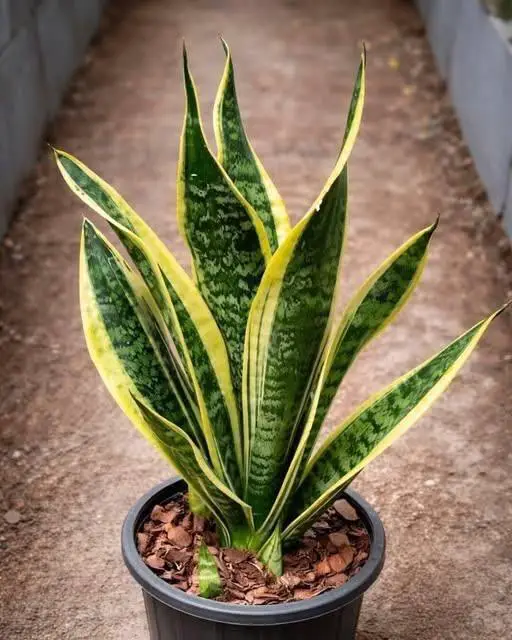
If you have this plant in your house, then you have one of the most resilient, low-maintenance, and beginner-friendly houseplants around. The plant in the image is commonly called a Snake Plant, also known as Mother-in-Law’s Tongue. With its tall green leaves edged in yellow, this striking plant has become a favorite in homes, offices, and apartments for good reason.
A Snake Plant is more than just a decorative plant. It is known for surviving in low light, handling missed waterings, and helping freshen indoor air. Because it needs very little attention, many people consider it the perfect plant for busy lifestyles or first-time plant owners.
I bought my first Snake Plant after accidentally struggling with several other houseplants. I wanted something simple that still looked beautiful in the corner of my living room. Weeks passed, then months, and the plant still looked healthy even when I forgot to water it occasionally. Over time, I noticed how much life and calm it brought into the room. Since then, Snake Plants have become my favorite recommendation for anyone who wants greenery without stress.
Why Snake Plants Are So Popular
Easy To Care For
One of the biggest reasons people love Snake Plants is their simplicity. Unlike delicate plants that require constant care, this plant adapts well to different indoor conditions.
Snake Plants tolerate low light, although they also grow beautifully near bright windows. They do not need daily watering, and in fact, too much water can harm them more than neglect.
Because the leaves store moisture, the plant handles dry indoor air surprisingly well. Therefore, it works nicely in apartments, offices, bedrooms, and entryways.
Even beginners often succeed with this plant because it forgives small mistakes.
Beautiful And Modern Appearance
Snake Plants have tall upright leaves with deep green patterns and yellow edges. Their clean lines fit modern, rustic, minimalist, and traditional spaces equally well.
Because the leaves grow upward instead of outward, Snake Plants fit nicely into small spaces. You can place one beside a couch, on a desk, near an entryway, or in a bedroom corner.
The plant also pairs beautifully with woven baskets, ceramic pots, and modern planters.
Benefits Of Keeping A Snake Plant Indoors
Helps Improve Indoor Spaces
Many people appreciate Snake Plants because they make rooms feel calmer and fresher. A healthy green plant naturally softens indoor spaces and adds warmth to a room.
Snake Plants are also often associated with indoor air quality because they can help filter certain airborne compounds under controlled conditions. Although no houseplant replaces ventilation or air purification systems, plants can still contribute to a fresher-feeling environment.
Because Snake Plants release oxygen at night, many people enjoy keeping them in bedrooms.
Great For Busy People
Some houseplants require schedules, fertilizers, humidifiers, and constant monitoring. Snake Plants do not.
This plant works beautifully for people with busy routines, frequent travel, or limited gardening experience. As long as it receives occasional water and reasonable light, it usually stays healthy.
That easygoing nature explains why Snake Plants remain one of the most recommended indoor plants worldwide.
How To Care For A Snake Plant
Light And Water Needs
Snake Plants grow best in bright indirect light, but they also tolerate lower light conditions. Avoid placing them in extremely dark areas for long periods because growth may slow significantly.
Water only when the soil feels dry. In many homes, this means watering every two to four weeks depending on temperature and season.
Overwatering is the most common mistake. Wet soil can lead to root rot, which damages the plant quickly.
Use a pot with drainage holes so excess water can escape properly.
Soil And Temperature Tips
Snake Plants prefer loose, well-draining soil. Cactus or succulent potting mix works very well because it prevents trapped moisture.
Normal indoor temperatures suit this plant perfectly. However, avoid freezing temperatures or cold drafts.
You can also wipe the leaves occasionally with a damp cloth to remove dust and keep the plant looking vibrant.
Common Questions About Snake Plants
Is a Snake Plant good for beginners?
Yes. Snake Plants are considered one of the easiest houseplants to grow indoors.
How often should I water it?
Water only when the soil dries out completely. Too much water is more harmful than too little.
Can Snake Plants survive low light?
Yes. They tolerate low light well, although brighter indirect light helps them grow faster.
Are Snake Plants safe for pets?
Snake Plants can be mildly toxic if chewed by cats or dogs. Keep them out of reach of curious pets.
Why are the leaves turning yellow?
Yellow leaves often indicate overwatering or poor drainage.
Conclusion
If you have this plant in your house, then you have a beautiful, resilient, low-maintenance indoor companion that can brighten your space with very little effort. Snake Plants combine style, durability, and simplicity, which makes them perfect for beginners and experienced plant lovers alike.
Whether placed in a bedroom, office, hallway, or living room, this plant adds natural beauty while asking for very little in return.
More Craft Innovations
- I Found a Strange Growth on My Garage Wall—What It Revealed About Hidden Moisture
- After a Decade Together, She Discovered the True Value of Her Contributions
- My Daughter Disappeared After Prom Night—Almost a Year Later, an Ordinary Beanbag Chair Revealed the Truth
- Stop Your Bed Sheets From Balling Up in the Dryer: Simple Tricks That Actually Work