If you’ve ever cooked shrimp at home, you’ve probably noticed that thin, dark line running along the back. Understanding how to prepare shrimp and why you shouldn’t eat that “black vein” can instantly improve both the taste and texture of your meals. While shrimp is one of the easiest and quickest proteins to cook, small preparation steps make a huge difference.
Shrimp cooks fast, absorbs flavor beautifully, and works in countless dishes. However, proper cleaning, especially removing that dark vein, ensures a cleaner bite and a more enjoyable experience. Whether you’re sautéing, grilling, or boiling, mastering this simple process will elevate your cooking every time.
I still remember the first time I cooked shrimp at home. I skipped the cleaning step because I didn’t think it mattered. The flavor was good, but the texture felt slightly gritty, which completely threw me off. After learning how to properly devein shrimp, everything changed. The taste became cleaner, and the dish felt more refined. Since then, I never skip this step, and it has become part of my routine whenever I cook seafood.
Understanding Shrimp and the “Black Vein”
What the Black Vein Really Is
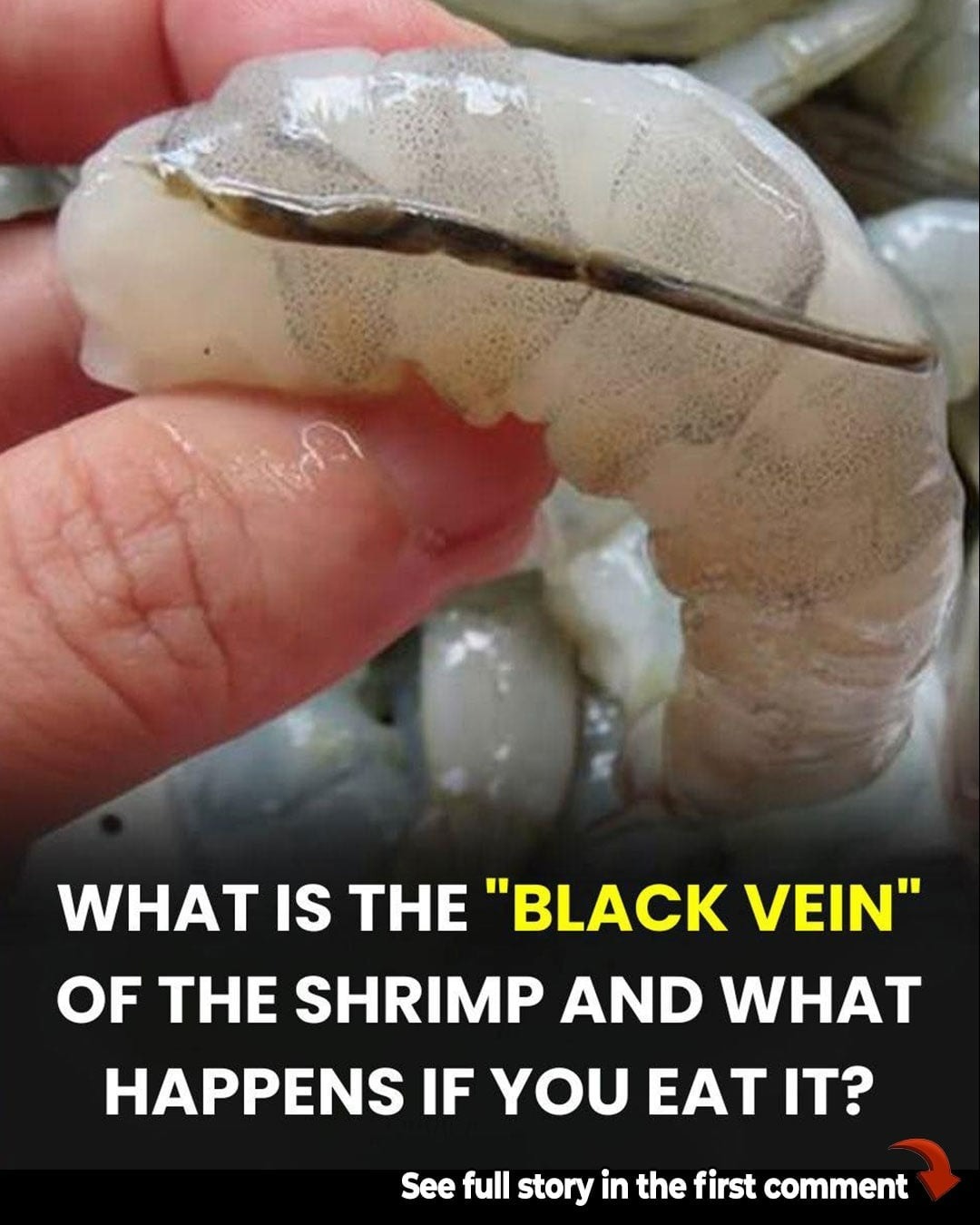
The black vein in shrimp is not a vein at all. Instead, it is the digestive tract, which may contain sand, grit, or remnants of what the shrimp has eaten. While it is technically safe to eat, it often affects texture and appearance.
In smaller shrimp, the vein is barely noticeable. However, in larger shrimp, it becomes more prominent and can create an unpleasant crunch. Therefore, removing it is not about safety but about improving quality.
Moreover, leaving the vein in can slightly alter the flavor, especially in delicate recipes. Because of this, most cooks prefer to remove it for a cleaner taste.
Why Removing It Improves Your Dish
Removing the vein ensures a smoother texture and a more visually appealing dish. Even though it takes an extra minute, the results are worth it.
Additionally, deveined shrimp absorbs seasoning more evenly. Without the digestive tract in the way, flavors penetrate the shrimp better, making every bite more balanced.
As a result, dishes feel more refined and restaurant-quality. This simple step transforms an ordinary meal into something special.
How To Properly Prepare Shrimp
Cleaning and Deveining Step-by-Step
Start by rinsing the shrimp under cold water. This removes surface debris and prepares them for cleaning.
Next, use a small knife or kitchen shears to make a shallow cut along the back. You will immediately see the dark line. Gently lift it out with the tip of the knife or rinse it away under running water.
If the shrimp still has its shell, you can peel it off before or after deveining. Both methods work, but peeling first often makes the process easier.
Finally, pat the shrimp dry with paper towels. This step helps them cook properly and prevents excess moisture.
Should You Always Remove It?
While you can technically eat shrimp with the vein, removing it is recommended in most cases. For small shrimp, it may not matter much. However, for medium to large shrimp, it significantly improves the eating experience.
Additionally, if you’re serving guests or preparing a special dish, deveining shows attention to detail. It makes your dish look cleaner and more professional.
Therefore, even though it is optional, it is a step worth taking.
Best Ways to Cook Shrimp After Preparation
Quick Cooking Methods for Perfect Results
Shrimp cooks very quickly, usually within 2 to 4 minutes. Because of this, it is important to avoid overcooking.
Sautéing is one of the easiest methods. Simply heat oil or butter in a pan, add shrimp, and cook until they turn pink and opaque. Flip once, and they are done.
Grilling also works well. Thread shrimp onto skewers, season lightly, and cook over medium heat. This method adds a subtle smoky flavor.
Boiling is another option, especially for shrimp cocktails. Just cook in salted water until pink, then transfer immediately to ice water to stop the cooking.
Seasoning Tips That Make a Difference
Shrimp pairs well with simple ingredients. Garlic, lemon, butter, and herbs enhance its natural flavor without overpowering it.
Additionally, spices like paprika, chili flakes, and black pepper add depth. Because shrimp cooks quickly, seasoning should be ready beforehand.
Marinating shrimp for 15 to 30 minutes can also boost flavor. However, avoid marinating too long, especially with acidic ingredients, as they can change the texture.
Common Mistakes to Avoid When Preparing Shrimp
Overcooking and Texture Issues
Overcooking shrimp is the most common mistake. When cooked too long, shrimp becomes rubbery and tough.
To avoid this, watch for visual cues. Shrimp turns pink and curls into a loose “C” shape when done. If it curls tightly into an “O,” it is likely overcooked.
Therefore, quick cooking and close attention are key.
Skipping Preparation Steps
Many people skip deveining because they assume it is unnecessary. However, this often leads to a gritty texture and less enjoyable dish.
Additionally, not drying shrimp before cooking can prevent proper browning. Excess moisture causes steaming instead of searing.
Taking a few extra minutes to prepare shrimp correctly makes a noticeable difference in the final result.
Frequently Asked Questions
Is the black vein in shrimp dangerous?
No, it is not dangerous. It is simply the digestive tract, but removing it improves texture and appearance.
Do all shrimp need to be deveined?
Not always. Small shrimp may not require it, but medium and large shrimp benefit from deveining.
Can you cook shrimp with the shell on?
Yes, cooking shrimp with the shell on can enhance flavor. However, peeling makes eating easier.
How do you know when shrimp is fully cooked?
Shrimp turns pink and opaque and forms a loose “C” shape when done.
Can you prepare shrimp ahead of time?
Yes, you can clean and devein shrimp ahead of time. Store them in the refrigerator until ready to cook.
Conclusion
Learning how to prepare shrimp and why you shouldn’t eat that “black vein” can instantly elevate your cooking. While the vein is safe, removing it improves both texture and flavor, making every bite more enjoyable.
Shrimp is one of the most versatile and quick-cooking ingredients, but proper preparation makes all the difference. With just a few simple steps, you can transform your dishes into something cleaner, tastier, and more satisfying.
Once you start preparing shrimp the right way, you’ll never go back. It’s a small effort with a big payoff.
More Home Remedies
- Wrinkled Fingers After Water Exposure: What Your Skin May Be Telling You
- Skin Rash With Breathing Trouble? It Could Be a Life-Threatening Allergic Reaction
- I Thought It Was a Piece of Trash on the Bathroom Floor—Until It Moved
- If You Are Getting White Pimples on Your Lips or Intimate Area, Here’s What They Could Mean