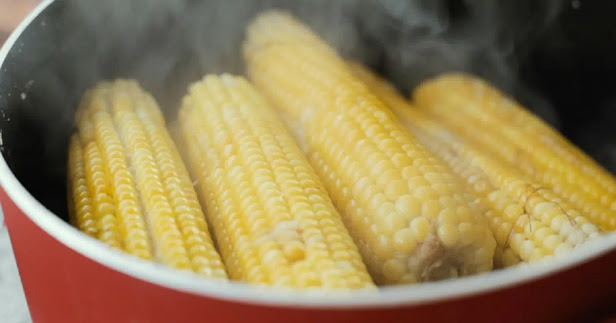
Nothing says summer quite like a fresh ear of corn on the cob. Sweet, juicy, and incredibly versatile, corn is one of the easiest side dishes you can prepare. Yet many home cooks still wonder exactly how long to boil corn on the cob to achieve that perfect balance of tenderness and crunch.
The good news is that perfectly cooked corn requires very little effort. With the right timing and a few simple tips, you can serve corn that is bursting with natural sweetness and flavor every single time.
Choosing the Best Corn on the Cob
The secret to delicious corn starts before it ever reaches the pot.
When shopping for corn, look for ears with bright green husks that wrap tightly around the cob. The husks should feel slightly damp rather than dry or brittle. Fresh corn retains moisture, which helps preserve its sweetness and texture.
Take a look at the silk protruding from the top of the ear. Fresh silk is usually golden brown and slightly sticky. If the silk appears black, dry, or brittle, the corn may be older.
The ear should also feel firm and heavy for its size. This usually indicates plump, juicy kernels hidden beneath the husk.
Whenever possible, buy corn the same day you plan to cook it. Once harvested, corn gradually converts its natural sugars into starch. The sooner you cook it, the sweeter it will taste.
How Long Should You Boil Corn?
The ideal boiling time depends on the age and freshness of the corn.
Freshly Harvested Corn
Very fresh corn cooks quickly and usually requires only 4 to 6 minutes in boiling water.
Standard Grocery Store Corn
Most supermarket corn benefits from 6 to 8 minutes of cooking time.
Larger or Older Ears
Older corn may need 8 to 10 minutes to become fully tender.
Frozen Corn on the Cob
Frozen ears generally cook in 5 to 7 minutes without thawing.
High-Altitude Cooking
At elevations above 3,000 feet, water boils at a lower temperature. Add an extra 1 to 2 minutes to the cooking time.
A good rule of thumb is to remove the corn as soon as the kernels become tender while still maintaining a slight bite. Overcooking can lead to tough, chewy kernels.
Step-by-Step Guide to Boiling Corn
Step 1: Remove the Husks
Peel away the outer husks and remove all silk strands. Rinse the corn under cool water.
A simple trick for removing stubborn silk is to rub the cob gently with a damp paper towel. The silk will cling to the towel and come off easily.
Step 2: Fill a Large Pot
Use enough water to completely cover the corn. A large stockpot works best when cooking multiple ears.
Contrary to popular belief, there is no need to add salt to the water. Some cooks believe salt can toughen the kernels.
Step 3: Bring Water to a Boil
Cover the pot and bring the water to a full rolling boil over high heat.
Step 4: Add the Corn
Carefully place the ears into the boiling water using tongs.
Avoid overcrowding the pot. If necessary, cook the corn in batches.
Step 5: Cook Until Tender
Start your timer based on the type of corn you’re cooking.
Check for doneness by piercing a kernel with a fork. The kernel should release milky juice and feel tender when bitten.
Step 6: Remove and Serve
Transfer the cooked corn to a serving platter and allow it to cool for one or two minutes before serving.
Now comes the best part—adding your favorite toppings.
Delicious Topping Ideas
While butter and salt remain classics, there are countless ways to elevate corn on the cob.
Classic Butter and Salt
Sometimes simple is best. A generous layer of melted butter and a sprinkle of salt allow the corn’s natural sweetness to shine.
Mexican Street Corn Style
Top hot corn with lime juice, chili powder, mayonnaise, and crumbled cotija cheese for a bold and flavorful twist.
Garlic Herb Butter
Mix softened butter with minced garlic, parsley, and chives for an aromatic upgrade.
Parmesan and Black Pepper
Freshly grated Parmesan cheese and cracked black pepper create a savory combination that pairs beautifully with sweet corn.
Asian-Inspired Corn
Drizzle with soy sauce, sesame oil, and sliced green onions for a rich umami flavor.
Sweet Corn Dessert Style
For a unique treat, try butter, cinnamon, and a light sprinkle of brown sugar.
Alternative Ways to Cook Corn
Boiling is not the only option.
Grilling
Grilled corn develops a delicious smoky flavor. Cook for 10 to 15 minutes while turning occasionally.
Steaming
Steaming preserves more nutrients and takes approximately 8 to 10 minutes.
Microwaving
Leave the corn in its husk and microwave for 3 to 5 minutes per ear. The husk traps steam and cooks the corn naturally.
Oven Roasting
Wrap corn in foil with butter and herbs, then roast at 400°F for about 20 to 25 minutes.
Air Frying
Air fry at 400°F for 10 to 12 minutes for slightly crisp edges and concentrated flavor.
Storing Leftover Corn
If you have leftovers, proper storage helps maintain freshness.
Refrigerator
Store cooked corn in an airtight container for up to five days.
Freezer
Corn kernels can be removed from the cob and frozen for up to one year.
Whole ears can also be frozen after cooling completely.
Reheating Corn
Microwave
Wrap corn in a damp paper towel and heat for 1 to 2 minutes.
Oven
Wrap in foil and warm at 350°F for approximately 10 minutes.
Grill
Brush with butter and grill for a few minutes to restore flavor and texture.
Stovetop
Simmer gently in a small amount of water and butter for several minutes.
Avoid reheating corn in boiling water, as this can make the kernels soft and mushy.
Frequently Asked Questions
Should I add sugar to the boiling water?
Fresh corn is naturally sweet. Adding sugar generally provides little benefit.
Can I boil corn with the husk on?
Yes. Corn can be boiled in the husk, though it may require a few extra minutes of cooking time.
Why is my corn tough?
Overcooking is usually the culprit. Corn cooks quickly and should be removed as soon as it becomes tender.
Is corn on the cob healthy?
Absolutely. Corn contains fiber, vitamins, antioxidants, and beneficial plant compounds that support overall health.
Can I cook corn ahead of time?
Yes. Corn can be boiled a few hours before serving and kept warm until mealtime.
Pro Tips for Perfect Corn Every Time
- Buy the freshest corn available.
- Cook corn soon after purchasing.
- Avoid overcooking.
- Add salt after cooking rather than before.
- Apply toppings while the corn is still hot.
- Serve immediately for the best flavor and texture.
Final Thoughts
Perfect boiled corn on the cob is one of the simplest pleasures of summer. With fresh ears, a pot of boiling water, and just a few minutes of cooking time, you can create a side dish that everyone loves.
Remember that fresh corn often needs only 4 to 6 minutes of cooking, while older ears may require up to 10 minutes. Keep an eye on the kernels, avoid overcooking, and don’t be afraid to experiment with different toppings.
Whether you’re serving corn at a backyard barbecue, a family dinner, or a casual weeknight meal, perfectly cooked corn on the cob is always a crowd-pleaser. Enjoy every sweet, juicy bite.