Most of us rely on our phones throughout the day. We use them to communicate, work, learn, and stay informed. Naturally, many people plug their devices in before going to bed so they are fully charged by morning.
However, where you charge your phone at night may be more important than you realize.
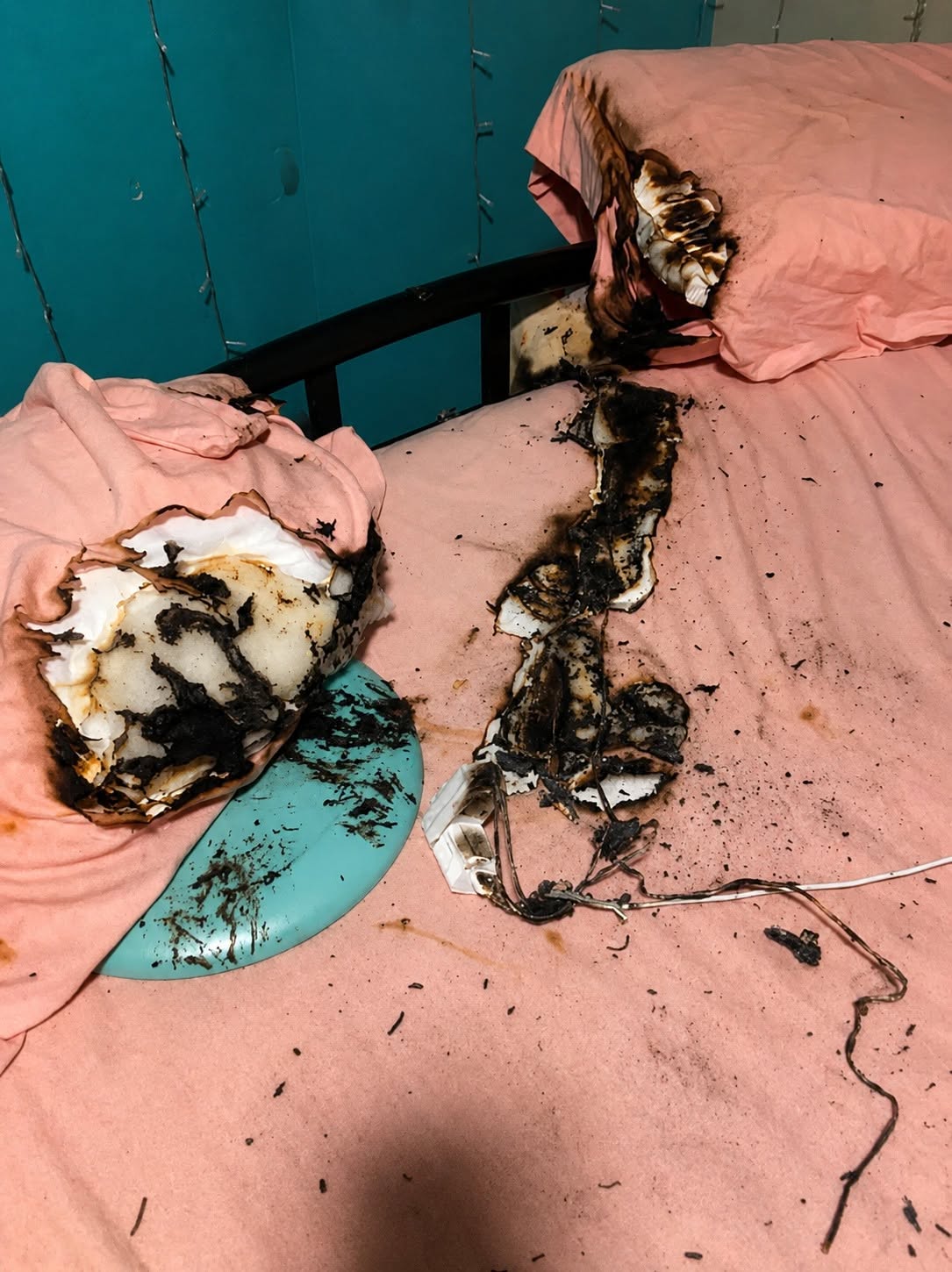
Many people place their phones on the bed, under a pillow, or beneath blankets while charging. Although this may seem harmless, firefighters and safety experts continue to warn that these habits can create a serious fire risk.
A widely shared message from the Newton Fire Department in New Hampshire highlighted the dangers associated with charging phones in bed. Their warning serves as an important reminder that small changes in our daily habits can significantly improve household safety.
Why This Warning Matters
According to information shared by the department, approximately 53% of children and teenagers charge their phones or tablets on their beds or under their pillows.
This statistic is concerning because soft surfaces trap heat generated during charging. When heat cannot dissipate properly, the risk of overheating increases.
Several factors contribute to the danger:
- Chargers and batteries naturally generate heat while charging.
- Pillows, blankets, and mattresses restrict airflow.
- Bedding and fabrics are highly flammable.
- Problems may go unnoticed while people are asleep.
Most modern devices use lithium-ion batteries. These batteries are generally safe when used correctly, but they can overheat, fail, or catch fire if damaged, defective, or exposed to excessive heat.
How Phone Charging Can Become Dangerous
When a phone charges, electrical current flows into the battery and chemical reactions store energy. Heat is a normal byproduct of this process.
Under normal conditions:
- The charger supplies power to the device.
- The battery stores energy.
- Heat dissipates into the surrounding air.
- Charging slows or stops when the battery is full.
Problems occur when a phone is placed on soft materials such as pillows, blankets, or mattresses.
These materials act as insulation and prevent heat from escaping. As temperatures rise, the battery and charger can become hotter than intended.
In rare cases, excessive heat may trigger a phenomenon known as thermal runaway, where a battery experiences an uncontrollable increase in temperature. This can result in smoke, fire, or even explosion.
While such incidents remain uncommon, overheating electronics cause thousands of reported safety incidents each year.
Warning Signs You Should Never Ignore
Pay attention to these common signs of battery or charger problems:
Excessive Heat
A charger should feel warm during operation, but it should never become painfully hot to touch.
Battery Swelling
A swollen battery often causes a phone case to bulge or the screen to separate from the frame. Stop using the device immediately if this occurs.
Damaged Charging Cables
Frayed wires, cracked insulation, or exposed metal can create sparks and short circuits.
Burning Smells
A chemical, burning plastic, or electrical odor can indicate overheating components.
Charging Problems
Devices that charge unusually slowly or lose power quickly may have battery issues that require inspection.
Sparks, Smoke, or Buzzing Sounds
Disconnect power immediately and discontinue use of the charger.
If smoke or fire is present, evacuate the area and contact emergency services. Never use water on an electrical fire.
Safe Charging Practices
Fortunately, reducing risk is simple.
Charge on Hard Surfaces
Always place phones and tablets on hard, non-flammable surfaces such as desks, countertops, or nightstands.
Keep Devices Away From Bedding
Maintain adequate space between charging devices and pillows, blankets, curtains, or clothing.
Never Charge Under a Pillow
This is one of the most dangerous charging habits because it traps heat completely.
Use Approved Chargers
Choose manufacturer-approved or certified charging equipment whenever possible.
Replace Damaged Accessories
Discard chargers and cables that show signs of wear.
Avoid Covering Devices
Do not place clothing, blankets, or other objects over a charging device.
Charge Earlier in the Evening
When practical, charge devices before bedtime rather than leaving them charging throughout the night.
Important Advice for Parents
Children and teenagers often use phones late into the evening and may not understand the risks associated with improper charging.
Parents can help by:
- Explaining why charging on a bed is dangerous.
- Creating a dedicated family charging station.
- Checking devices regularly for damage.
- Modeling safe charging behavior.
- Establishing household charging rules.
Education is often the most effective safety tool.
Safety Tips for Other Devices
The same precautions apply to many everyday electronics.
Tablets
Larger batteries can generate more heat and should always be charged on hard surfaces.
Laptops
Keep ventilation openings clear and avoid charging on beds or couches.
Power Banks
Store and charge them in cool, dry locations.
Smartwatches and E-Readers
Although these devices contain smaller batteries, proper charging practices remain important.
Additional Home Electrical Safety Recommendations
Phone charging safety is only one part of protecting your home.
Consider these additional precautions:
- Install smoke alarms on every level of your home.
- Test smoke alarms monthly.
- Avoid overloading outlets.
- Use surge protectors for valuable electronics.
- Keep flammable materials away from heat sources.
- Unplug unnecessary devices when not in use.
- Have older electrical systems inspected by a qualified electrician.
Fire departments also recommend creating a family fire escape plan and practicing it regularly.
Frequently Asked Questions
Is it safe to charge my phone on a nightstand?
Yes, provided the nightstand is a hard surface and the phone remains away from bedding and other flammable materials.
Can I charge my phone under a pillow if I use a cooling case?
No. A cooling case does not eliminate the dangers caused by restricted airflow.
How hot is too hot for a charger?
If a charger becomes uncomfortable to touch, unplug it and investigate the cause.
Are wireless chargers safer?
Not necessarily. Wireless charging can generate significant heat and requires the same ventilation precautions as wired charging.
What should I do if my battery swells?
Stop using the device immediately and contact the manufacturer or a qualified technician.
Final Thoughts
Charging a phone in bed may seem harmless, but firefighters continue to warn that it can create an unnecessary fire risk.
Fortunately, prevention is simple:
- Charge devices on hard surfaces.
- Keep them away from bedding.
- Use quality chargers.
- Replace damaged equipment promptly.
- Educate children and family members about safe charging habits.
A few small changes can help protect your home, your belongings, and the people you care about most.
Tonight, when you plug in your phone, give it space to breathe. That simple habit could make all the difference.
More Blog
- Drinking Water on an Empty Stomach — What Science Actually Supports (No Hype, Just Facts)
- Waking Up Between 3 and 5 AM? It Might Be Your Soul Trying to Talk to You
- What a “Bleach” Patch on Your Underwear Really Means — And Why It’s Actually a Good Sign
- This Drink May Weaken Your Bones From The Inside — But Everyone Drinks It Anyway