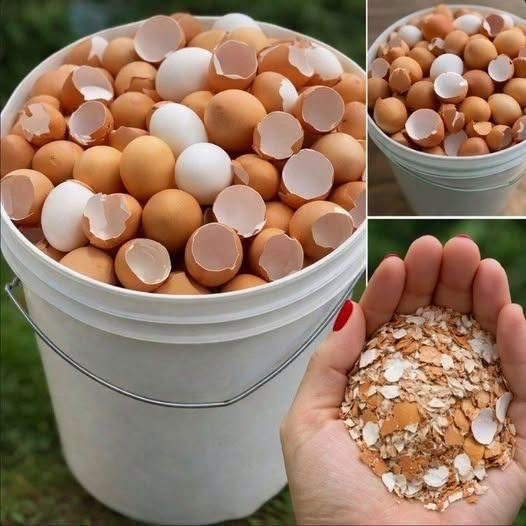
Most of us crack an egg, pour it into a bowl, and immediately toss the shell into the trash without giving it a second thought. It has become such a routine habit that we rarely stop to wonder whether those fragile shells might still have a purpose.
That changed for me after a conversation with a gardening friend who carefully saved every eggshell she used. At first, I couldn’t understand why anyone would keep something most people considered kitchen waste. She simply smiled and said, “You’re throwing away one of the most useful things in your kitchen.”
As it turns out, she was absolutely right.
Eggshells are made up of approximately 95 percent calcium carbonate, along with trace amounts of magnesium, phosphorus, and other minerals. While they may seem delicate, they can become valuable resources for gardening, cleaning, composting, crafts, and even certain beauty routines when prepared correctly.
If you’re interested in reducing waste, saving money, and finding practical uses for everyday household items, eggshells deserve a place in your recycling routine. Here are 17 practical ways to give them a second life.
Why Eggshells Are Worth Saving
Every year, millions of tons of eggshells end up in landfills around the world. Although they eventually break down, reusing them at home keeps valuable minerals in your own garden and reduces unnecessary waste.
Beyond their calcium content, eggshells offer several advantages:
- They’re completely free.
- They’re biodegradable.
- They can replace certain disposable products.
- They support sustainable gardening.
- They help reduce household waste.
While eggshells aren’t miracle products, they can become useful tools when used appropriately.
Preparing Eggshells Properly
Before reusing eggshells, it’s important to clean them thoroughly.
Step 1: Rinse
Immediately after cracking your eggs, rinse the shells under warm water to remove any remaining egg white.
Step 2: Dry
Spread them on a baking tray and allow them to air dry, or bake them for about 10–15 minutes at 200°F (95°C).
Baking helps:
- remove moisture
- eliminate bacteria
- make shells easier to crush
Step 3: Crush or Grind
Depending on how you’ll use them:
- Crush into coarse pieces for gardens.
- Grind into powder for compost or cleaning.
Step 4: Store
Keep dried shells inside an airtight container until needed.
Many people even keep a container in the freezer and add clean shells until enough accumulate for processing.
1. Add Calcium to Garden Soil
One of the most popular uses for eggshells is enriching garden soil.
Calcium is essential for healthy plant growth because it supports strong cell walls and root development.
Plants that appreciate calcium include:
- tomatoes
- peppers
- eggplants
- squash
- cucumbers
Mix crushed shells into planting holes or garden beds before planting.
Remember that eggshells decompose slowly, so they provide long-term soil improvement rather than instant fertilizer.
2. Improve Compost
Eggshells make an excellent addition to compost piles.
When crushed into small pieces, they contribute valuable minerals that eventually return to the soil.
For quicker decomposition:
- crush shells finely
- mix throughout compost
- maintain proper moisture
Although shells break down more slowly than vegetable scraps, they continue enriching finished compost for months.
3. Use Eggshells as Seed Starters
Instead of buying disposable seed trays, use clean eggshell halves.
Fill each shell with seed-starting mix and plant herbs, flowers, or vegetables.
When seedlings develop several leaves:
- gently crack the bottom
- plant the shell directly into the soil
The shell naturally breaks down over time.
Kids especially love this gardening project.
4. Create a Slug Barrier
Many gardeners sprinkle crushed eggshells around vulnerable plants.
The rough texture may discourage slugs and snails from crawling toward delicate leaves.
Although scientific evidence is mixed regarding effectiveness, many gardeners continue using this method because it is inexpensive, safe, and environmentally friendly.
5. Feed Backyard Birds
Birds need calcium, especially during nesting season.
After sterilizing shells in the oven:
- crush them finely
- mix with birdseed
Never offer raw shells because they may carry bacteria.
6. Scrub Dirty Pots
Crushed eggshells create a gentle abrasive cleaner.
Mix them with:
- warm water
- dish soap
Use the mixture to remove baked-on food from:
- ceramic dishes
- stainless steel pots
- glass baking dishes
Avoid using this method on delicate non-stick cookware.
7. Clean Narrow Bottles
Decorative bottles and flower vases can be difficult to clean.
Add:
- crushed eggshells
- warm water
- a drop of dish soap
Shake vigorously.
The shell fragments loosen stubborn residue inside narrow containers.
8. Freshen Compost Bins
Indoor compost containers sometimes develop unpleasant odors.
Adding crushed eggshells helps absorb excess moisture while contributing minerals to the compost.
Combined with shredded newspaper or dry leaves, they help balance the compost mixture.
9. Make Homemade Calcium Powder
Finely ground eggshells can be stored as a calcium-rich garden amendment.
Sprinkle small amounts around established plants throughout the growing season.
Because the powder breaks down faster than larger shell pieces, nutrients become available more quickly.
10. Decorate Your Garden
Larger eggshell pieces make attractive mulch around decorative pots.
White shell fragments create visual contrast against dark soil while slowly decomposing over time.
11. Discourage Some Garden Pests
Some gardeners report fewer soft-bodied insects after spreading coarse eggshells around plants.
Although results vary, eggshell barriers provide a chemical-free alternative worth trying before stronger pest-control methods.
12. Create Homemade Mosaic Crafts
Eggshells can become beautiful art supplies.
Paint dried shells in bright colors.
Break them into small pieces.
Glue them onto:
- flower pots
- picture frames
- greeting cards
- decorative boxes
The finished mosaic has a unique textured appearance.
13. Use in School Projects
Teachers often use eggshells for:
- science experiments
- art projects
- geology lessons
- recycling demonstrations
They’re inexpensive, safe, and widely available.
14. Add Texture to Homemade Paint
Some artists mix finely crushed eggshell powder into homemade paint or plaster.
This creates interesting textures on decorative crafts and mixed-media artwork.
15. Help Reduce Household Waste
Simply saving eggshells changes the way many families think about food waste.
Instead of viewing kitchen scraps as garbage, they begin seeing useful materials that can serve another purpose.
Small habits often inspire bigger environmental changes.
16. Learn Sustainable Living
Eggshell reuse teaches an important lesson:
Not everything we throw away is truly waste.
Many traditional households reused nearly everything long before recycling programs existed.
Eggshells remind us that older generations often practiced sustainability naturally.
17. Save Money
While eggshells won’t eliminate gardening expenses, they can reduce the need for certain disposable products.
Over time, using free household materials instead of purchasing specialized gardening supplies can add up to meaningful savings.
Common Mistakes to Avoid
To use eggshells safely and effectively:
- Always wash them thoroughly.
- Dry or bake before storing.
- Crush them well for faster decomposition.
- Don’t expect instant fertilizer results.
- Avoid piling large shell pieces directly against delicate seedlings.
Frequently Asked Questions
Can eggshells replace fertilizer?
No.
They provide calcium but lack the complete nutrient profile found in balanced fertilizers.
How long do eggshells take to decompose?
Large pieces may take several years.
Finely ground powder breaks down much faster.
Can I place whole eggshells directly in the garden?
Yes, but crushing them first greatly speeds decomposition.
Are eggshells safe for compost?
Absolutely.
They’re an excellent compost ingredient when cleaned and crushed.
Do eggshells attract pests?
Clean, dried shells generally do not.
However, shells with leftover egg residue may attract insects or animals.
Final Thoughts
The next time you make breakfast, pause before tossing those eggshells into the trash. What seems like a fragile piece of kitchen waste is actually a surprisingly versatile resource that can benefit your garden, support composting, assist with household cleaning, inspire creative projects, and help reduce everyday waste.
While eggshells aren’t a cure-all or a replacement for every commercial product, they demonstrate how simple habits can make our homes more sustainable. Reusing them is inexpensive, environmentally friendly, and a practical reminder that many ordinary items still have value long after their original purpose is complete.
Sometimes the most useful household tools aren’t found in a store—they’re already waiting in your kitchen. By giving eggshells a second life, you’re not only reducing waste but also embracing a resourceful tradition that has been passed down through generations.