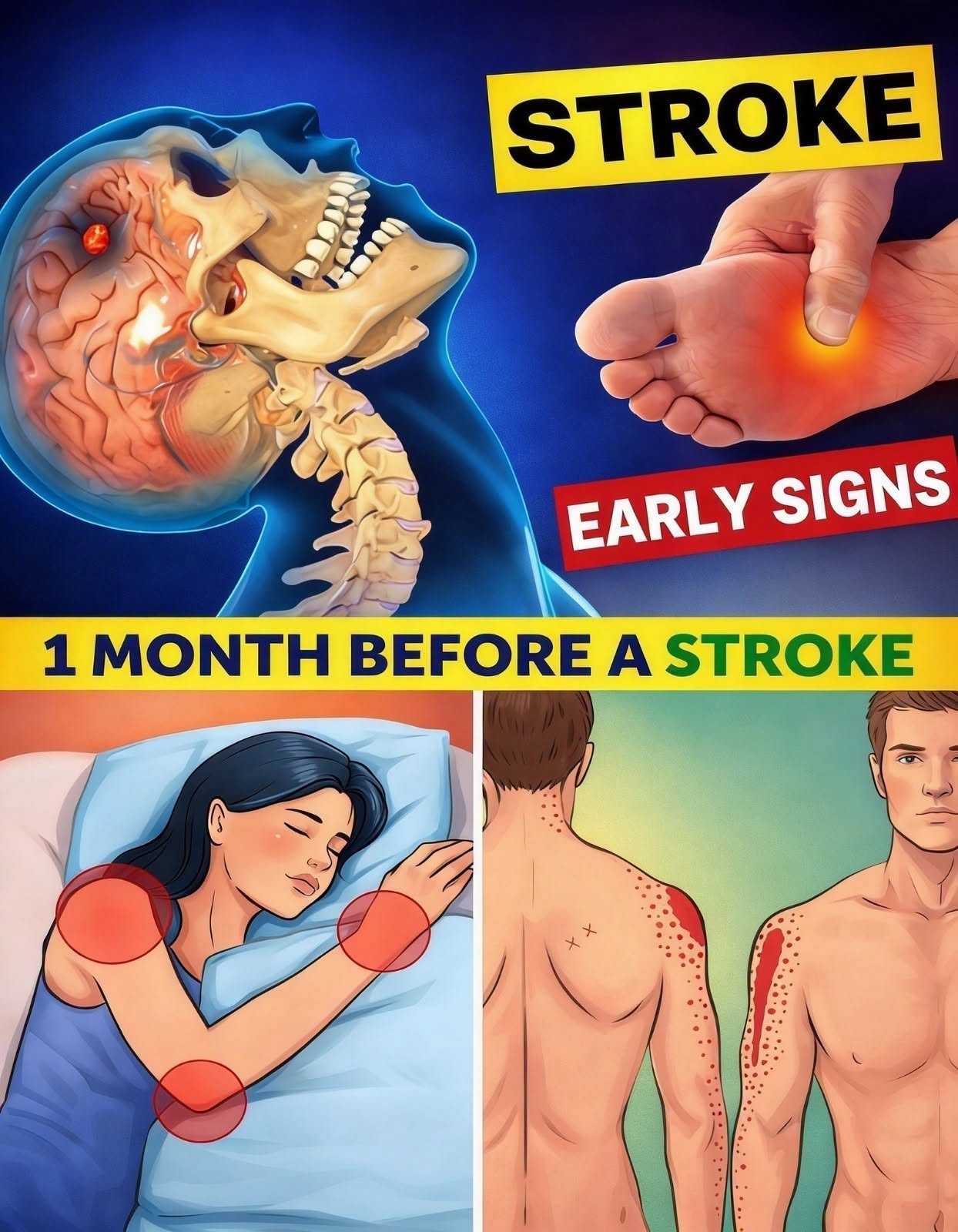
A stroke is a medical emergency that occurs when blood flow to part of the brain is interrupted or when a blood vessel in the brain ruptures. Because brain cells begin to die within minutes without adequate oxygen, recognizing the warning signs and seeking emergency medical care immediately can make a significant difference in recovery.
Although strokes can happen suddenly, understanding the symptoms and managing risk factors may help reduce the chances of experiencing one. Learning what to watch for also enables you to respond quickly if you or someone nearby develops symptoms.
What Is a Stroke?
The brain depends on a constant supply of oxygen-rich blood. When that supply is disrupted, brain tissue can become damaged in a very short time.
There are two main types of stroke:
- Ischemic stroke: Caused by a blocked artery, accounting for most strokes.
- Hemorrhagic stroke: Caused by bleeding within or around the brain.
A third condition, called a transient ischemic attack (TIA) or “mini-stroke,” causes temporary symptoms that resolve quickly. Even though symptoms disappear, a TIA is a serious warning sign and requires immediate medical evaluation.
Eight Warning Signs You Should Never Ignore
1. Sudden Weakness or Numbness
One of the most recognizable symptoms is sudden weakness or numbness affecting one side of the body.
You may notice:
- Drooping on one side of the face
- Difficulty lifting one arm
- Weakness in a leg
- Tingling that appears without explanation
Even if the symptom improves within a few minutes, emergency evaluation is essential.
2. Difficulty Speaking
A stroke may affect the brain’s language centers.
Someone experiencing a stroke may:
- Slur their words
- Speak unusually slowly
- Have difficulty finding simple words
- Be unable to understand conversation
Ask the person to repeat a simple sentence. Difficulty doing so can be an important warning sign.
3. Vision Problems
Sudden vision changes deserve immediate attention.
Possible symptoms include:
- Blurred vision
- Double vision
- Loss of vision in one eye
- Partial loss of vision in both eyes
Vision changes may occur alone or alongside other symptoms.
4. Trouble Walking or Maintaining Balance
Many strokes interfere with coordination.
Watch for:
- Sudden dizziness
- Loss of balance
- Difficulty standing
- Unsteady walking
- Unexpected falls
These symptoms should never be ignored, especially if they begin suddenly.
5. A Severe, Sudden Headache
A sudden headache unlike anything experienced before can sometimes indicate bleeding within the brain.
This symptom may occur with:
- Nausea
- Vomiting
- Neck stiffness
- Confusion
Emergency medical care is critical if a severe headache develops suddenly without an obvious cause.
6. Sudden Confusion
A stroke can affect thinking and awareness.
Someone may suddenly become:
- Disoriented
- Unable to follow simple instructions
- Confused about familiar surroundings
- Unable to recognize people
Sudden confusion should always be treated as a medical emergency.
7. Difficulty Swallowing
Although less well known, some strokes affect muscles involved in swallowing.
Symptoms may include:
- Choking while drinking
- Difficulty swallowing food
- Coughing during meals
- Feeling like food is stuck
Medical evaluation is necessary if these symptoms begin suddenly.
8. Sudden Loss of Coordination
Tasks that normally feel simple may suddenly become difficult.
Examples include:
- Picking up objects
- Buttoning clothing
- Writing
- Holding utensils
Loss of coordination that develops without warning requires immediate medical attention.
Remember the FAST Test
Health professionals encourage everyone to remember the word FAST:
F – Face: Ask the person to smile. Does one side droop?
A – Arms: Ask them to raise both arms. Does one drift downward?
S – Speech: Listen for slurred or unusual speech.
T – Time: Call emergency services immediately if any of these signs are present.
Time is critical because treatment is most effective when started as quickly as possible.
Nine Ways to Lower Your Stroke Risk
Although not every stroke can be prevented, healthy lifestyle choices may significantly reduce risk.
1. Control Blood Pressure
High blood pressure is one of the leading risk factors for stroke.
Regular monitoring and following your healthcare provider’s recommendations are essential.
2. Stay Physically Active
Aim for regular exercise throughout the week.
Walking, cycling, swimming, and other moderate activities support heart and blood vessel health.
3. Eat a Heart-Healthy Diet
Focus on foods such as:
- Fruits
- Vegetables
- Whole grains
- Lean proteins
- Healthy fats
Limiting excessive salt, added sugars, and highly processed foods may also help.
4. Maintain a Healthy Weight
Maintaining a healthy weight may improve blood pressure, cholesterol, and blood sugar levels.
Small, sustainable lifestyle changes often produce long-term benefits.
5. Manage Diabetes
High blood sugar can damage blood vessels over time.
Following prescribed treatment plans and attending regular medical appointments are important preventive steps.
6. Avoid Smoking
Smoking damages blood vessels and greatly increases stroke risk.
Quitting smoking benefits the heart, lungs, and overall circulation at any age.
7. Limit Alcohol
Excessive alcohol consumption may increase blood pressure and contribute to stroke risk.
Moderation is recommended for those who choose to drink.
8. Get Enough Sleep
Quality sleep supports cardiovascular health.
Persistent sleep problems should be discussed with a healthcare professional, especially if accompanied by loud snoring or daytime fatigue.
9. Attend Regular Health Checkups
Routine medical visits help identify high blood pressure, high cholesterol, irregular heart rhythms, and other conditions before they become more serious.
Early treatment often reduces long-term risk.
Frequently Asked Questions
Can stroke symptoms disappear?
Yes. Temporary symptoms may indicate a transient ischemic attack (TIA), which requires immediate emergency evaluation because it increases the risk of a future stroke.
Who has the highest risk?
Risk generally increases with age, but strokes can occur in younger adults as well. High blood pressure, diabetes, smoking, high cholesterol, and certain heart conditions increase risk.
Is every severe headache a stroke?
No. Many headaches have other causes. However, a sudden, extremely severe headache—especially when accompanied by neurological symptoms—requires emergency medical attention.
What should I do if I think someone is having a stroke?
Call emergency services immediately. Do not wait to see if symptoms improve.
Can healthy habits really reduce stroke risk?
Yes. Managing blood pressure, staying active, eating a balanced diet, avoiding tobacco, and controlling chronic health conditions can substantially lower stroke risk.
Final Thoughts
A stroke can happen without warning, but recognizing the symptoms and acting quickly can save lives and reduce the likelihood of long-term disability. Learning the warning signs isn’t about creating fear—it’s about being prepared.
Knowing what to look for, remembering the FAST test, and making healthy lifestyle choices can help protect both you and the people you care about. If stroke symptoms appear, seek emergency medical care immediately. Every minute counts.