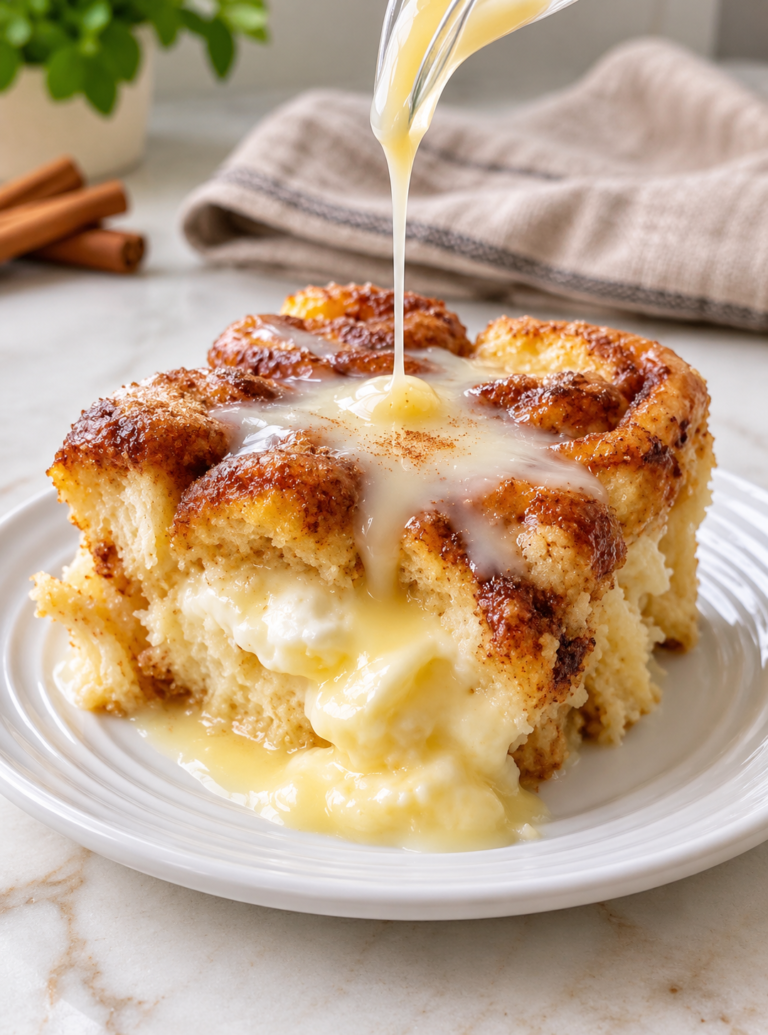
Cassava Cake with Macapuno & Creamy Custard Topping is a rich and comforting Filipino dessert featuring a soft, chewy grated cassava base and a thick layer of homemade coconut custard.
Made with condensed milk, evaporated milk, coconut milk, butter, and sweet macapuno strings, this delicious cake offers a wonderful combination of creamy sweetness and satisfying texture.
The signature custard topping makes this dessert especially irresistible. It is smooth, glossy, and rich, providing the perfect contrast to the naturally chewy cassava underneath.
Cassava cake is a wonderful choice for family celebrations, Christmas gatherings, potlucks, birthdays, and afternoon snacks.
Unlike traditional flour-based cakes, this Filipino favorite gets its distinctive texture from grated cassava. The result is a moist, dense dessert that can be served warm or chilled.
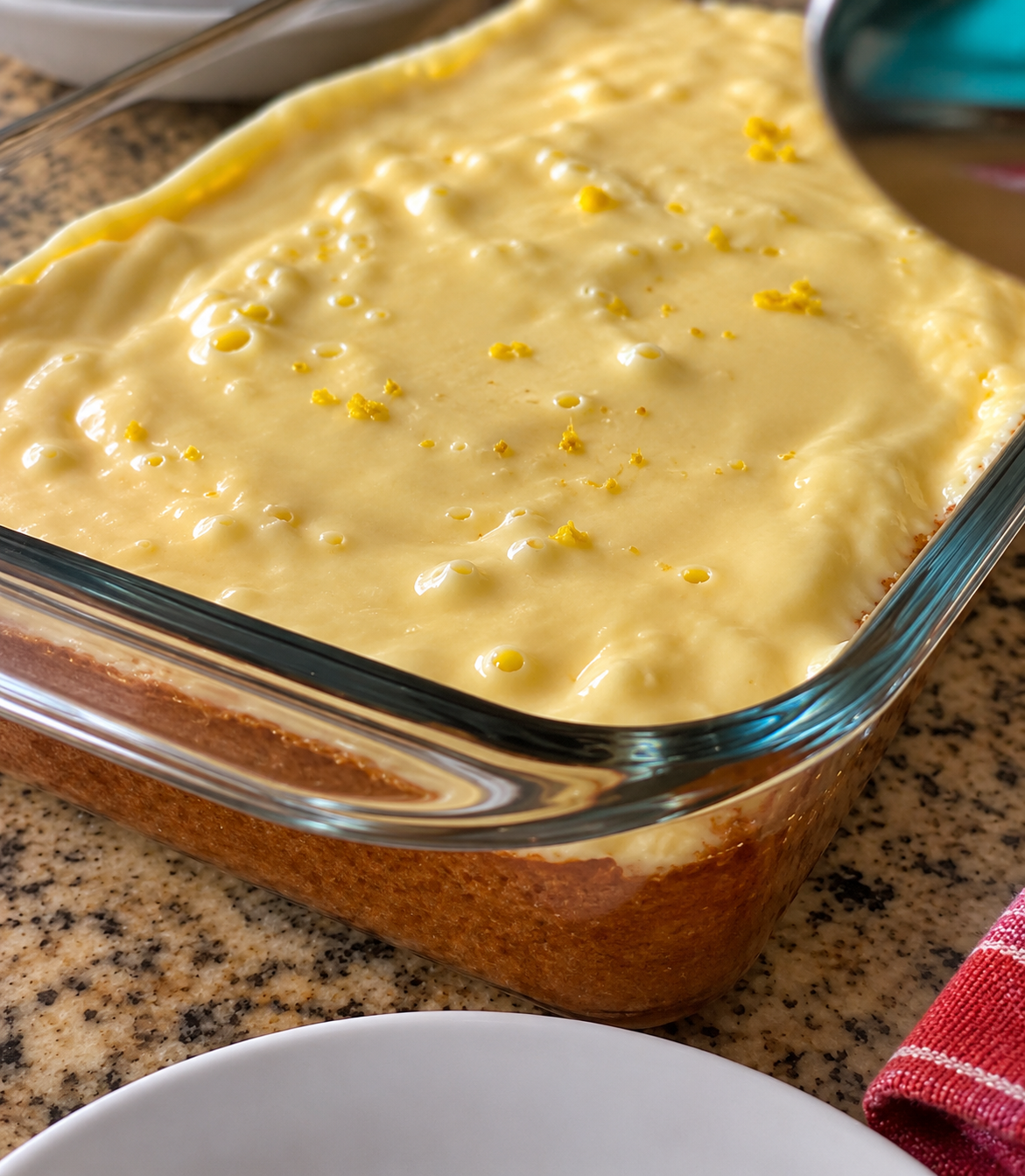
“Cassava Cake with Macapuno & Creamy Custard Topping”
Ingredients
Equipment
Method
- Preheat the oven to 350°F (175°C). Grease a 9×13-inch baking dish with butter or line the bottom with parchment paper.
- Prepare the thawed grated cassava according to the package instructions. In a large mixing bowl, combine the cassava, one can of condensed milk, evaporated milk, coconut milk, melted butter, sugar, and lightly beaten eggs.
- Stir until evenly combined, then fold in the optional macapuno strings or shredded young coconut and grated cheddar cheese.
- Pour the cassava mixture into the prepared baking dish and spread evenly. Bake uncovered for 45–55 minutes until the edges are golden brown and the center is set and completely cooked through.
- Meanwhile, whisk together the remaining can of sweetened condensed milk, coconut cream, egg yolks, cornstarch, and vanilla extract in a saucepan.
- Cook over low to medium-low heat for 5–7 minutes, stirring constantly until thick, smooth, and glossy. Ensure the egg custard reaches at least 160°F (71°C).
- Remove the baked cassava cake from the oven. Pour the warm custard evenly over the surface and spread gently with a spatula.
- Return the baking dish to the oven and bake for another 10–12 minutes until the topping is set yet creamy. Optionally broil for 2–3 minutes using only broiler-safe cookware.
- Allow the cassava cake to cool for at least 20–30 minutes before slicing into squares or scooping individual portions. Serve warm or chilled.
Notes
Why You Will Love Cassava Cake with Macapuno
A delicious combination of creamy and chewy textures
One of the most appealing features of Filipino cassava cake is its distinctive texture.
Grated cassava creates a naturally dense and pleasantly chewy foundation that differs considerably from ordinary sponge cake.
Coconut milk adds richness and a delicate tropical flavor, while condensed milk provides sweetness and creaminess.
Evaporated milk helps create a smooth, moist cake without introducing too much additional sweetness.
Melted butter contributes richness, and the eggs help bind the ingredients together during baking.
Macapuno strings provide an additional layer of texture.
Macapuno is a variety of coconut with a soft, jelly-like flesh that is commonly used in Filipino desserts.
When incorporated into cassava cake, it creates little pockets of sweet coconut throughout the baked mixture.
The creamy custard topping completes the dessert.
Made with condensed milk, coconut cream, egg yolks, and cornstarch, it develops a thick, silky consistency that spreads beautifully across the surface of the cake.
Every serving contains a delicious contrast between the chewy cassava base and the smooth coconut custard.
A traditional Filipino dessert for special occasions
Cassava cake is a familiar favorite at many Filipino gatherings.
Its rich flavor and generous portions make it particularly suitable for sharing with family and friends.
The recipe can be prepared in one large baking dish, making it convenient for celebrations where several people will be served.
Although the dessert features two separate layers, the preparation is relatively straightforward.
The cassava base is mixed in one bowl and baked until completely cooked.
While the cake bakes, the custard topping is prepared separately on the stovetop.
The topping is then spread over the baked cassava and returned to the oven briefly.
This two-stage preparation allows the cassava base and creamy topping to develop their own distinctive textures.
The finished cake can be enjoyed slightly warm for a softer consistency or refrigerated for firmer, neater slices.
It is also a convenient make-ahead dessert because it tastes delicious after chilling overnight.
Choosing the Best Ingredients
Selecting grated cassava and coconut ingredients
Frozen grated cassava is a convenient choice for preparing this dessert.
It eliminates much of the preparation required when working with fresh cassava roots.
Choose commercially prepared edible grated cassava from a reputable supplier and follow the package preparation instructions.
Cassava must be properly processed and thoroughly cooked before consumption. Never taste raw cassava or uncooked cassava batter.
Allow the frozen cassava to thaw completely before mixing it with the remaining ingredients.
Remove excess liquid as directed by the product packaging.
Sweetened condensed milk provides much of the sweetness in the cassava base.
It also contributes to the dessert’s rich and creamy consistency.
Evaporated milk has a concentrated dairy flavor without the same level of added sugar.
Coconut milk, known as gata in Filipino cooking, introduces the distinctive tropical flavor that makes this dessert especially satisfying.
Use unsweetened coconut milk rather than sweetened coconut beverages.
Macapuno strings are an optional but particularly delicious addition.
They are often available preserved in syrup at Asian or Filipino grocery stores.
Drain excess syrup before adding them to the cake if you prefer to control the sweetness.
Shredded young coconut can also be substituted.
Grated cheddar cheese is another optional ingredient commonly found in Filipino sweet desserts.
Its mild saltiness provides a pleasant contrast to the condensed milk and coconut.
Understanding the creamy custard topping
The custard topping is made with sweetened condensed milk, coconut cream, egg yolks, cornstarch, and vanilla extract.
Sweetened condensed milk provides the rich, sweet foundation of the topping.
Coconut cream, also known as kakang gata, contains more fat than ordinary coconut milk and creates a particularly velvety texture.
All-purpose cream can be substituted if coconut cream is unavailable.
Egg yolks contribute richness and help the custard develop a smooth, thick consistency.
Cornstarch helps stabilize and thicken the mixture during cooking.
All-purpose flour is another option, although the resulting texture may differ slightly.
Vanilla extract enhances the creamy flavor and complements the coconut and condensed milk.
The custard is partially cooked on the stovetop before being poured over the cassava cake.
This helps prevent it from remaining excessively thin during the final baking stage.
Constant stirring is important because condensed milk contains concentrated sugars and milk solids that can scorch if heated too aggressively.
How to Make Perfect Cassava Cake with Macapuno
Preparing and baking the cassava base
Begin by preheating your oven to 350°F (175°C).
Lightly grease a 9-by-13-inch baking dish with butter.
Alternatively, line the bottom with parchment paper if you prefer easier removal.
A smaller square baking dish may not have sufficient capacity for the full recipe, so choose a dish with plenty of room for both the cassava base and custard topping.
Place the thawed, properly prepared grated cassava into a large mixing bowl.
Add one can of sweetened condensed milk, one can of evaporated milk, and one can of coconut milk.
Pour in the melted unsalted butter and add the granulated sugar.
Add the lightly beaten eggs and stir until the ingredients are evenly combined.
The mixture will naturally retain some texture because of the grated cassava.
If using macapuno strings or shredded young coconut, gently fold them into the mixture.
Add the optional grated cheddar cheese at this stage if desired.
Transfer the cassava mixture into the prepared baking dish.
Spread it into an even layer so that the cake cooks consistently.
Bake uncovered for approximately 45–55 minutes.
The edges should become golden brown, and the center should be set and thoroughly cooked.
Cooking time may vary depending on the depth of the baking dish and the moisture content of the cassava.
Continue cooking if necessary rather than relying solely on the suggested baking time.
Do not taste the cassava mixture before it has been properly prepared and fully cooked.
Preparing the thick coconut custard
While the cassava base bakes, prepare the creamy topping.
In a medium saucepan, combine the remaining can of sweetened condensed milk with one cup of coconut cream or all-purpose cream.
Add the egg yolks, cornstarch, and vanilla extract.
Whisk the ingredients thoroughly before applying heat to help prevent lumps from forming.
Place the saucepan over low to medium-low heat.
Cook for approximately five to seven minutes, stirring constantly with a whisk or heat-resistant spatula.
Pay particular attention to the bottom and corners of the saucepan, where the mixture may thicken more quickly.
Avoid excessively high heat because the egg yolks can curdle and the condensed milk can scorch.
The custard should gradually develop a thick, smooth, glossy consistency.
Once thickened, remove the saucepan from the heat.
Make sure the egg-based custard reaches a safe temperature of at least 160°F (71°C) during cooking.
Remove the baked cassava base from the oven.
Pour the warm custard evenly over the surface and spread it gently with a spatula.
Return the baking dish to the oven and bake for another ten to twelve minutes.
The topping should become set while retaining its creamy texture.
For a more traditional toasted appearance, you can briefly broil the topping for two to three minutes, but only when using cookware specifically rated as broiler-safe.
Most ordinary glass baking dishes should not be placed under a broiler.
Allow the finished cassava cake to cool for at least twenty to thirty minutes before serving.
Serving, Storage, and Delicious Variations
The best ways to serve Filipino cassava cake
Cassava Cake with Macapuno & Creamy Custard Topping can be served warm, at room temperature, or chilled.
When served slightly warm, the cassava base has a softer texture and the custard remains especially creamy.
After refrigeration, the cake becomes firmer and easier to cut into individual squares.
For a simple presentation, serve a generous square on a white dessert plate.
The golden cassava base and pale coconut custard create an attractive contrast without requiring additional decorations.
If desired, sprinkle a little grated cheddar cheese over the topping before serving.
The savory cheese complements the sweetness of the condensed milk.
Toasted coconut flakes can also provide an attractive garnish and additional texture.
Cassava cake pairs beautifully with coffee, tea, or a warm cup of milk.
It is particularly enjoyable as an afternoon snack, known in the Philippines as merienda.
For celebrations, serve the cake directly from the baking dish or arrange individual squares on a large dessert platter.
Its rich flavor means that smaller portions can be quite satisfying.
Make-ahead tips and creative variations
Cassava cake is a convenient dessert to prepare in advance.
Once the cake has cooled sufficiently, cover it securely and refrigerate until ready to serve.
Preparing it the day before a gathering allows the custard to become firmer and makes slicing easier.
Because the recipe contains dairy and eggs, refrigerate leftovers within two hours of cooking.
Store the cake in an airtight container for up to three to four days.
Individual portions can be served chilled or gently reheated in the microwave.
Avoid excessive reheating because it may affect the consistency of the custard topping.
Several optional variations can help you customize this dessert.
For a stronger coconut flavor, add the optional macapuno strings and use coconut cream in the custard topping.
For a sweet-and-salty version, incorporate the grated cheddar cheese into the cassava base.
If you prefer a less sweet cake, reduce the additional granulated sugar while retaining the condensed milk.
Keep in mind that macapuno preserved in syrup can contribute additional sweetness.
For a pandan-inspired variation, a small amount of food-grade pandan extract can be added for a different aroma and appearance.
This is an optional variation rather than an ingredient in the original recipe.
The classic cassava cake already provides a delicious combination of coconut, condensed milk, butter, and creamy custard.
Ingredients
For the cassava cake base
- 2 packs (16 ounces or 454 grams each) commercially prepared frozen grated cassava, thawed and prepared according to package instructions
- 1 can (14 ounces) sweetened condensed milk
- 1 can (12 fluid ounces) evaporated milk
- 1 can (13.5 fluid ounces or 400 milliliters) coconut milk
- 1/2 cup (115 grams) unsalted butter, melted
- 1/2 cup (100 grams) granulated sugar, adjusted to taste
- 2 large eggs, lightly beaten
- 1/2 cup macapuno strings or shredded young coconut, optional
- 1/2 cup grated cheddar cheese, optional
For the creamy custard topping
- 1 can (14 ounces) sweetened condensed milk
- 1 cup (240 milliliters) coconut cream or all-purpose cream
- 2 large egg yolks
- 2 tablespoons cornstarch or all-purpose flour
- 1 teaspoon vanilla extract
Instructions
- Preheat the oven to 350°F (175°C). Grease a 9-by-13-inch baking dish with butter or line the bottom with parchment paper.
- Prepare the thawed grated cassava according to the package instructions.
- In a large mixing bowl, combine the grated cassava, one can of sweetened condensed milk, evaporated milk, coconut milk, melted butter, sugar, and lightly beaten eggs.
- Stir until evenly combined. Fold in the optional macapuno strings or shredded young coconut and grated cheddar cheese.
- Pour the cassava mixture into the prepared baking dish and spread it evenly.
- Bake uncovered for 45–55 minutes, or until the edges are golden brown and the cassava base is completely cooked through.
- Meanwhile, whisk together the remaining can of sweetened condensed milk, coconut cream, egg yolks, cornstarch, and vanilla extract in a saucepan.
- Cook over low to medium-low heat for 5–7 minutes, stirring constantly until the custard becomes thick and glossy. Ensure the egg custard reaches at least 160°F (71°C).
- Remove the baked cassava cake from the oven.
- Pour the warm custard topping evenly over the cassava base.
- Return the cake to the oven and bake for another 10–12 minutes until the topping is set but remains creamy.
- If desired, briefly broil the topping for 2–3 minutes using only broiler-safe cookware.
- Remove from the oven and allow the cake to cool for at least 20–30 minutes.
- Slice into squares or scoop individual portions. Serve warm or chilled.
Frequently Asked Questions
Can I make cassava cake without macapuno?
Yes. Macapuno is an optional ingredient that adds sweetness and a soft coconut texture.
You can substitute shredded young coconut or omit it entirely.
The cassava base and creamy custard will still provide plenty of flavor.
Can I use frozen grated cassava?
Yes. Commercially prepared frozen grated cassava is a convenient option for this recipe.
Thaw it completely and follow the manufacturer’s preparation instructions before adding it to the batter.
Always ensure cassava is properly processed and thoroughly cooked.
Why is my cassava cake too soft?
The cake may need additional baking time, or the cassava may contain excess moisture.
The center should be completely cooked and set before adding the custard topping.
Allow the finished cake to cool sufficiently before slicing.
Refrigeration can help the cake become firmer.
Can I make the custard without coconut cream?
Yes. All-purpose cream can be substituted for coconut cream.
The topping will have a slightly different flavor but should remain rich and creamy.
Can I make cassava cake the day before serving?
Absolutely. Cassava cake is an excellent make-ahead dessert.
Allow it to cool, cover it securely, and refrigerate overnight.
Serve chilled or gently warm individual portions before serving.
Conclusion
Cassava Cake with Macapuno & Creamy Custard Topping is a delicious Filipino dessert that combines chewy grated cassava, rich coconut milk, sweet macapuno, and velvety homemade custard.
Its distinctive texture and comforting tropical flavors make it an excellent choice for family celebrations, holiday gatherings, and afternoon snacks.
The creamy topping provides a particularly indulgent finish without requiring elaborate decoration.
Whether you prepare the classic coconut version or add grated cheddar for a sweet-and-salty contrast, this homemade cassava cake is a wonderful addition to any dessert table.
Serve it warm or chilled and enjoy every creamy, chewy, coconut-filled bite.