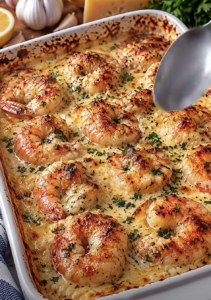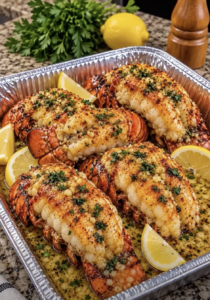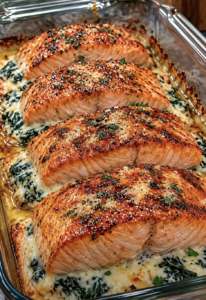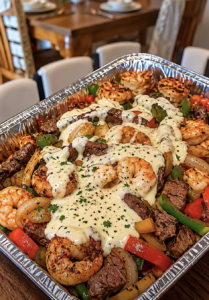
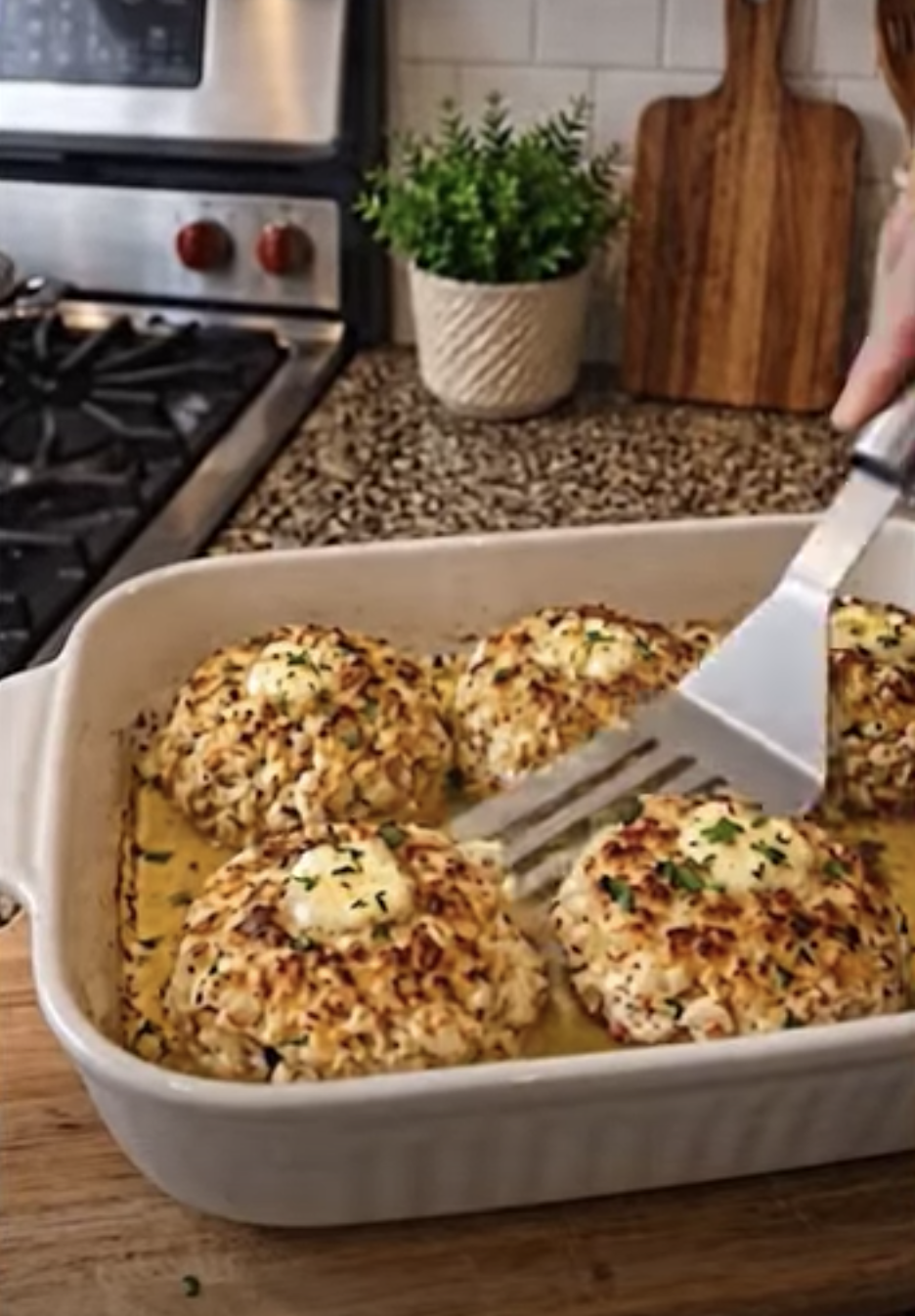
Buttery Baked Crab Cakes combine sweet jumbo lump crab meat, creamy mayonnaise, Dijon mustard, Old Bay seasoning, and a light buttery topping into one delicious seafood dish. With their golden exterior, tender center, and generous pieces of crab, these homemade crab cakes deliver wonderful flavor without deep-frying.
If you enjoy restaurant-style seafood, this Buttery Baked Crab Cakes recipe makes an excellent addition to your collection. The ingredients enhance the crab’s natural sweetness instead of overpowering it, while a small amount of crushed crackers helps hold everything together.
Buttery Baked Crab Cakes – Easy, Golden, and Delicious Seafood Recipe
Ingredients
Equipment
Method
- Preheat oven to 425°F (220°C). Lightly grease a baking dish or line a rimmed baking sheet with parchment paper.
- Whisk beaten egg, mayonnaise, Dijon mustard, Worcestershire sauce, Old Bay seasoning, and lemon juice in a medium bowl until smooth.
- Inspect jumbo lump crab meat for shell fragments, then add it to the dressing.
- Add crushed saltine crackers or breadcrumbs and chopped parsley if using. Fold gently to combine without breaking up the crab.
- Divide mixture into 6 equal portions. Shape gently into thick round cakes and arrange in the prepared baking dish.
- Place a small piece of unsalted butter on each crab cake if desired.
- Bake for approximately 12–15 minutes, or until lightly golden and centers reach 165°F (74°C). Continue baking briefly if necessary.
- Remove from oven and let crab cakes rest for 2–3 minutes.
- Transfer carefully to serving plates and serve warm with lemon wedges and tartar sauce or preferred dipping sauce.
Notes
Even better, you can prepare these crab cakes in approximately 25 minutes. You only need 10 minutes for preparation and about 15 minutes for baking, making them perfect for busy weeknights, family dinners, and special occasions.
Unlike traditional fried crab cakes, this recipe uses the oven to create a lightly golden finish. As a result, you can cook all six crab cakes at once without standing over a hot skillet.
Serve them with fresh lemon wedges, homemade tartar sauce, or your favorite seafood dipping sauce. They also pair beautifully with roasted vegetables, fresh salads, and warm crusty bread.
I first became interested in baking crab cakes when I wanted to enjoy their rich seafood flavor without dealing with a skillet full of oil. I had tried crab cakes that contained so many breadcrumbs that the crab almost disappeared. So, I started using jumbo lump crab meat, a little mayonnaise, crushed crackers, and just enough seasoning to bring everything together. The first batch came out beautifully golden, with large pieces of sweet crab in every bite. A small pat of butter on top added even more flavor. Since then, I’ve enjoyed making these easy crab cakes whenever I want a comforting seafood dinner that feels special but requires very little effort.
Why You’ll Love These Buttery Baked Crab Cakes
Sweet Lump Crab Meat With a Rich, Buttery Finish
The best Buttery Baked Crab Cakes highlight the natural flavor of fresh, sweet crab meat.
Jumbo lump crab meat provides large, tender pieces that create a satisfying texture.
Unlike recipes that rely heavily on breadcrumbs, this version uses only a small amount of crushed saltine crackers or breadcrumbs.
That means the crab remains the main attraction.
Mayonnaise adds moisture and richness, while a beaten egg helps hold the mixture together.
Meanwhile, Dijon mustard provides a mild tang that complements the seafood.
Worcestershire sauce adds savory depth without overwhelming the delicate crab flavor.
Old Bay seasoning brings a classic combination of spices that works beautifully with shellfish.
A little lemon juice adds brightness and balances the creamy ingredients.
For an extra delicious finish, you can place a small pat of butter on each crab cake before baking.
As the butter melts, it coats the surface and encourages a lightly golden appearance.
Fresh parsley adds color and a subtle herbal note.
Together, these ingredients create tender crab cakes with a rich flavor and satisfying texture.
An Easy Oven-Baked Alternative to Fried Crab Cakes
Buttery Baked Crab Cakes offer a convenient alternative to traditional pan-fried seafood cakes.
Instead of cooking each crab cake individually in a skillet, you arrange all six portions in a baking dish.
Then, the oven cooks them evenly while you prepare the rest of your meal.
This method simplifies preparation and reduces the need for constant attention.
Additionally, baking requires less added fat than deep-frying.
The recipe also uses familiar ingredients that you can find in most grocery stores.
Because the preparation takes approximately 10 minutes, you can assemble the crab cakes quickly.
The short baking time makes them ideal for busy evenings.
Another advantage comes from their versatility.
Serve one crab cake as an appetizer or pair two with vegetables for a satisfying main course.
You can also prepare smaller crab cakes for parties and holiday gatherings.
Furthermore, the recipe works well with different dipping sauces.
Tartar sauce, lemon aioli, and a simple squeeze of fresh lemon all complement the crab.
Whether you’re preparing a casual dinner or an elegant seafood appetizer, these homemade crab cakes offer delicious results with minimal effort.
Essential Ingredients for the Best Buttery Baked Crab Cakes
Choosing Jumbo Lump Crab Meat and the Right Binder
The most important ingredient in Buttery Baked Crab Cakes is the crab meat.
For the best texture, choose one pound of jumbo lump crab meat.
Jumbo lump crab contains large, delicate pieces that give the finished cakes a generous seafood texture.
If jumbo lump crab isn’t available, regular lump crab meat also works well.
You can even combine lump and backfin crab meat for a more economical option.
Before mixing the ingredients, gently inspect the crab for any remaining shell fragments.
Handle the meat carefully to preserve its large pieces.
Next, prepare one lightly beaten egg.
The egg acts as a binder and helps the crab cakes hold their shape during baking.
Mayonnaise adds moisture and creates a tender interior.
The recipe uses one-quarter cup, which provides enough creaminess without making the mixture excessively wet.
Finally, add one-quarter cup of crushed saltine crackers or breadcrumbs.
Saltine crackers offer a delicate texture and mild flavor.
Plain breadcrumbs also work well, although they may absorb moisture differently.
For the best results, add only enough binder to help the mixture hold together.
Too many crumbs can make crab cakes dense and reduce the natural crab flavor.
Building Flavor With Dijon, Old Bay, Lemon, and Butter
Seasoning makes a noticeable difference in Buttery Baked Crab Cakes.
Dijon mustard adds a gentle tang that balances the richness of the mayonnaise.
Worcestershire sauce contributes a savory flavor that complements the sweet crab meat.
Old Bay seasoning provides a classic seafood-inspired blend of herbs and spices.
Because Old Bay already contains salt, you generally won’t need much additional seasoning.
A small amount of lemon juice brightens the mixture without making it watery.
Fresh parsley adds color and a subtle herbal finish.
Although parsley is optional, it gives the crab cakes a fresh appearance.
The buttery topping adds another delicious layer of flavor.
Place a small piece of unsalted butter on each crab cake before baking.
As the butter melts, it spreads over the surface and helps create a golden finish.
For serving, prepare fresh lemon wedges.
The lemon juice provides a refreshing contrast to the rich crab cakes.
You can also serve tartar sauce, remoulade, or a simple mayonnaise-based dipping sauce.
However, avoid using an overly strong sauce that hides the delicate seafood flavor.
The best accompaniments enhance the crab rather than compete with it.
How to Make Buttery Baked Crab Cakes Step by Step
Mix the Crab Cake Ingredients Without Breaking the Crab
Making Buttery Baked Crab Cakes begins with preparing the oven and baking dish.
First, preheat your oven to 425°F.
Lightly grease a baking dish or line a rimmed baking sheet with parchment paper.
Next, place the lightly beaten egg in a medium mixing bowl.
Add the mayonnaise, Dijon mustard, Worcestershire sauce, Old Bay seasoning, and lemon juice.
Whisk everything until the dressing becomes smooth.
This step distributes the seasonings evenly before you add the delicate crab meat.
Next, gently inspect the crab meat for shell fragments.
Add the crab to the bowl.
Sprinkle the crushed saltine crackers or breadcrumbs over the mixture.
If you’re using parsley, add it now.
Use a silicone spatula or large spoon to fold the ingredients together carefully.
Avoid vigorous stirring because it can break the jumbo lump crab into smaller pieces.
The mixture should hold together when you gently press it.
If it feels slightly loose, allow it to rest for a few minutes so the crumbs absorb moisture.
However, avoid adding too many extra breadcrumbs.
The goal is to create crab cakes with plenty of seafood and just enough binder to maintain their shape.
Shape, Bake, and Serve the Crab Cakes
Once the crab mixture comes together, divide it into six equal portions.
Gently shape each portion into a thick, round crab cake.
Avoid pressing the mixture too firmly because compacting it can create a dense texture.
Arrange the crab cakes in the prepared baking dish.
Leave a little space between each one so the hot air can circulate.
Next, place a small pat of butter on top of each crab cake if desired.
The butter melts during baking and adds a rich, savory finish.
Transfer the baking dish to the preheated oven.
Bake for approximately 12 to 15 minutes.
The crab cakes should become lightly golden and feel firm enough to hold their shape.
Because the mixture contains egg, use a food thermometer to check that the centers reach 165°F.
If the cakes need more time, continue baking briefly and check again.
For additional surface color, you can broil the crab cakes for a short period after they finish cooking.
However, watch them carefully because the tops can brown quickly.
Once the crab cakes finish baking, remove the dish from the oven.
Allow them to rest for two to three minutes before serving.
This brief resting period helps them hold together when you lift them.
Finally, serve the Buttery Baked Crab Cakes warm with lemon wedges and your favorite dipping sauce.
Helpful Tips, Delicious Variations, and Serving Ideas
How to Keep Baked Crab Cakes Tender and Prevent Crumbling
A few simple techniques can make Buttery Baked Crab Cakes even better.
First, choose good-quality crab meat.
Fresh or refrigerated pasteurized crab meat generally provides a better texture than heavily processed alternatives.
Next, remove any excess liquid from the crab.
If the meat contains too much moisture, the mixture may become difficult to shape.
However, avoid squeezing the crab aggressively because you want to preserve its delicate pieces.
Another important tip involves the binder.
Use only enough crackers or breadcrumbs to hold the crab cakes together.
Too much binder can create a dry, dense result.
Additionally, mix the ingredients gently.
A folding motion works better than vigorous stirring.
When shaping the cakes, press just firmly enough to create a stable round.
If the mixture feels too soft, refrigerate it for 10 to 15 minutes before baking.
This short chilling period can help the cakes hold their shape.
For a golden exterior, brush the tops lightly with melted butter or use a small pat of butter.
Finally, avoid overbaking.
The crab cakes should become hot and lightly golden without drying out.
These techniques help create tender seafood cakes with a delicate, satisfying texture.
Delicious Variations, Serving Suggestions, and Storage
Buttery Baked Crab Cakes offer plenty of opportunities for customization.
For a slightly spicy version, add a small pinch of cayenne pepper.
If you enjoy smoky flavors, include a quarter teaspoon of smoked paprika.
You can also add finely chopped green onions or chives for extra freshness.
For a brighter flavor, mix a little lemon zest into the crab mixture.
However, avoid adding too much liquid because excess moisture can make the cakes difficult to shape.
If you prefer a crunchier exterior, sprinkle a small amount of panko breadcrumbs over the tops before baking.
You can also make mini crab cakes for appetizers.
Simply divide the mixture into smaller portions and reduce the baking time as needed.
When serving, pair the crab cakes with coleslaw, roasted asparagus, steamed vegetables, or a fresh green salad.
They also taste delicious with tartar sauce, remoulade, or lemon aioli.
Storage: Refrigerate leftover crab cakes promptly in an airtight container at 40°F or below for up to three days.
Reheat them in a 350°F oven until the centers reach 165°F.
For the best texture, avoid microwaving for too long because the crab cakes may become soft.
You can also freeze fully cooked and cooled crab cakes for up to two months for best quality.
Ingredients
Servings: 6 | Prep time: 10 minutes | Cook time: 15 minutes | Total time: approximately 25 minutes
- 1 lb jumbo lump crab meat, checked for shell fragments
- 1 large egg, lightly beaten
- ¼ cup mayonnaise
- 1 tbsp Dijon mustard
- 1 tsp Worcestershire sauce
- 1 tsp Old Bay seasoning
- ½ tsp fresh lemon juice
- ¼ cup crushed saltine crackers or plain breadcrumbs
- 1 tbsp fresh parsley, chopped (optional)
- 1 tbsp unsalted butter, divided into six small pieces (optional)
- 6 lemon wedges, for serving
- ½ cup tartar sauce or preferred seafood dipping sauce, for serving
Instructions
1. Preheat the oven. Preheat your oven to 425°F (220°C). Lightly grease a baking dish or line a rimmed baking sheet with parchment paper.
2. Prepare the dressing. In a medium mixing bowl, whisk together the beaten egg, mayonnaise, Dijon mustard, Worcestershire sauce, Old Bay seasoning, and lemon juice until smooth.
3. Add the crab meat. Gently inspect the jumbo lump crab meat for shell fragments, then add it to the dressing.
4. Mix in the binder. Sprinkle in the crushed saltine crackers or breadcrumbs and chopped parsley if using. Fold gently to combine without breaking up the crab.
5. Shape the crab cakes. Divide the mixture into six equal portions. Gently shape each portion into a thick, round cake and arrange them in the prepared baking dish.
6. Add the butter. Place a small piece of unsalted butter on top of each crab cake if desired.
7. Bake until golden. Bake for approximately 12–15 minutes, or until lightly golden and the centers reach 165°F (74°C). Continue baking briefly if needed.
8. Rest the crab cakes. Remove the baking dish from the oven and let the crab cakes rest for two to three minutes.
9. Serve warm. Transfer the crab cakes carefully to serving plates. Serve with lemon wedges and tartar sauce or your preferred dipping sauce.
Frequently Asked Questions
1. What type of crab meat works best for Buttery Baked Crab Cakes?
Jumbo lump crab meat works especially well because it contains large, tender pieces with a naturally sweet flavor.
Regular lump crab meat also makes an excellent choice.
If you want a more economical option, combine lump crab with backfin crab meat.
Avoid heavily shredded crab if you want large pieces in every bite.
Always check the crab meat carefully for shell fragments before mixing.
2. Can I make baked crab cakes ahead of time?
Yes. You can prepare the crab cake mixture and shape the cakes several hours before baking.
Arrange them on a covered tray and refrigerate at 40°F or below.
When you’re ready to serve, transfer them to a prepared baking dish and bake as directed.
For the best texture, avoid preparing the mixture too far in advance.
Freshly baked crab cakes generally offer the most satisfying flavor and consistency.
3. How do I keep crab cakes from falling apart?
The key is using the right balance of crab meat, binder, and moisture.
The egg and mayonnaise help hold the mixture together, while crushed crackers absorb excess liquid.
Mix gently to preserve the crab pieces.
If the mixture feels too soft, refrigerate the shaped cakes for 10 to 15 minutes before baking.
Additionally, allow the finished crab cakes to rest briefly before transferring them to plates.
4. Can I make Buttery Baked Crab Cakes without mayonnaise?
Yes. You can replace mayonnaise with plain Greek yogurt or sour cream.
Both options provide moisture and help the ingredients combine.
However, they create a slightly tangier flavor than traditional mayonnaise.
Use the same quarter-cup quantity and adjust the seasoning if necessary.
Keep in mind that changing the binder may slightly affect the final texture.
5. What should I serve with baked crab cakes?
Buttery Baked Crab Cakes pair beautifully with many side dishes.
For a classic seafood meal, serve them with coleslaw, roasted potatoes, or a fresh green salad.
Steamed asparagus and roasted broccoli also make excellent choices.
For dipping, try tartar sauce, remoulade, lemon aioli, or a simple squeeze of fresh lemon juice.
If you’re serving the crab cakes as appetizers, arrange them on a platter with lemon wedges and a small bowl of sauce.
Conclusion
Buttery Baked Crab Cakes combine sweet jumbo lump crab meat, creamy mayonnaise, Dijon mustard, Old Bay seasoning, and a light buttery topping into one delicious seafood dish.
The oven-baked method creates a lightly golden exterior while keeping the inside tender and full of crab flavor.
Furthermore, the simple ingredients and short cooking time make this recipe suitable for both beginners and experienced home cooks.
You can serve these crab cakes as an appetizer, a main course, or part of a special seafood dinner.
Additionally, the recipe offers flexibility. You can add fresh herbs, a little spice, or a crunchy breadcrumb topping to suit your preferences.
For the best results, choose good-quality crab meat, handle the mixture gently, and avoid adding too many breadcrumbs.
Bake until the cakes become lightly golden and reach a safe internal temperature.
Finish with fresh lemon wedges and your favorite dipping sauce.
With their delicate texture, rich buttery flavor, and generous pieces of seafood, Buttery Baked Crab Cakes make a wonderful addition to your collection of easy homemade seafood recipes.